
Blog
Horseradish Power: Health Benefits, Uses, and Flavor Secrets

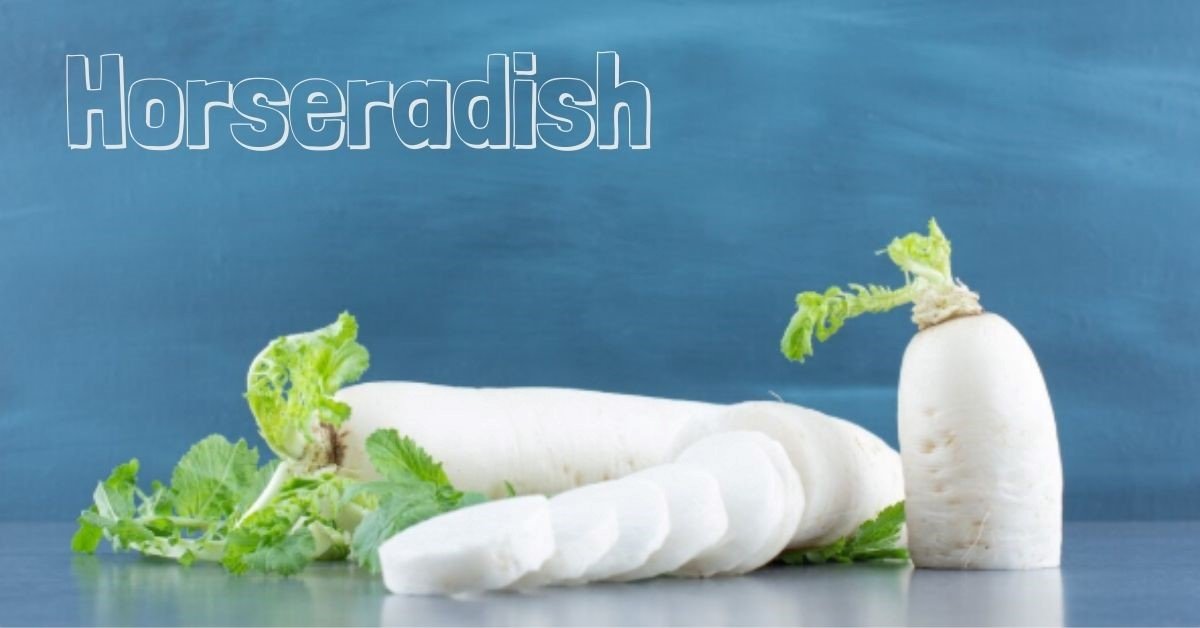
There’s a sharp, eye-watering kick that instantly wakes up your senses when you taste horseradish, a root vegetable known for its bold flavor and surprising health benefits. Unlike mild herbs or sweet spices, horseradish doesn’t whisper—it hits with intensity, clearing sinuses and adding a fiery punch to food in seconds. Whether you’ve tried it as a sauce with roast beef or mixed into condiments, this powerful root has a long history in both culinary and medicinal traditions. It may seem simple at first glance, but horseradish carries centuries of use across cultures for flavor, healing, and even preservation. So what makes this pungent root so special, and why is it still popular today? Let’s explore its story, benefits, and everyday uses.
What Is Horseradish and Where It Comes From
The plant known as horseradish is a perennial root vegetable belonging to the Brassicaceae family, which also includes mustard, cabbage, and wasabi. Its scientific name is Armoracia rusticana, and it is native to parts of Europe and Western Asia. The part we commonly use is the thick white root, which contains compounds that release a strong, spicy aroma when crushed or grated.
Historically, horseradish has been cultivated for thousands of years. Ancient civilizations valued it not only as a food seasoning but also as a medicinal plant. Its natural heat comes from chemical compounds called isothiocyanates, which are activated when the root is cut or crushed. This is what gives horseradish its signature sinus-clearing effect and intense flavor profile.
Read More; Summer Clover Cheat Engine: Unlocking Game Advantages Safely
The Unique Flavor Profile of Horseradish
The taste of horseradish is often described as sharp, peppery, and intensely pungent, but it is not a heat that lingers like chili peppers. Instead, it creates a quick burst of intensity that fades almost as fast as it appears. This makes it a favorite for adding instant depth to dishes without overwhelming them for too long.
What makes horseradish unique is that its heat is more aromatic than spicy. When you inhale it, the vapors stimulate your nasal passages rather than your tongue alone. This creates a sensory experience that feels stronger than it actually is. That’s why even a small amount can completely transform a dish like steak, sandwiches, or seafood sauces.
Popular Culinary Uses of Horseradish
One of the most common ways horseradish is used is in sauces and condiments. It is often blended with vinegar and cream to create a milder, more balanced version that pairs beautifully with roasted meats. This is especially popular in traditional European and American cuisine, where it is served alongside beef dishes.
It also plays a key role in cocktail sauces for seafood, adding a spicy contrast to the sweetness of shrimp or crab. Beyond sauces, horseradish can be used in salad dressings, mashed potatoes, and even dips. Its versatility allows chefs and home cooks to experiment freely, using it as a secret ingredient that enhances flavor without overpowering the dish.
Health Benefits of Horseradish
Beyond its bold taste, horseradish has long been associated with several health benefits. It contains antioxidants and natural compounds that may support immune function and help the body fight inflammation. Traditionally, it has also been used to relieve congestion, thanks to its natural ability to clear nasal passages.
Some studies suggest that horseradish may have antibacterial properties, which is why it was historically used as a natural remedy for infections. It is also low in calories and contains small amounts of vitamin C, potassium, and calcium. While it is not a cure-all, incorporating horseradish into your diet can contribute to a balanced and flavorful approach to healthy eating.
Horseradish in Traditional Medicine and Culture
For centuries, horseradish has been more than just a kitchen ingredient—it has played a role in traditional healing practices across Europe. Herbalists used it to treat respiratory issues, digestive discomfort, and even joint pain. Its strong stimulating effect was believed to “wake up” the body and improve circulation.
In cultural traditions, horseradish also symbolizes strength and vitality due to its powerful nature. It was often included in spring rituals and seasonal dishes as a way to cleanse the body after winter. This deep-rooted cultural significance adds another layer of meaning to what might otherwise seem like a simple condiment.
How to Grow and Harvest Horseradish
Growing horseradish is surprisingly easy, making it a popular choice for home gardeners. It thrives in cooler climates and prefers loose, well-drained soil. Once planted, it tends to grow aggressively, often spreading quickly if not managed properly.
Harvesting usually takes place after the first year, when the root has developed its full flavor. Gardeners typically dig up the root in late autumn or early spring. Because it regrows easily from small root pieces left in the soil, it requires careful handling to prevent it from overtaking garden space.
Storage and Preparation Tips
Proper handling of horseradish is essential to preserve its flavor. Once the root is cut or grated, it begins to lose potency quickly, so it is often mixed with vinegar to stabilize its heat and aroma. Fresh horseradish can be stored in the refrigerator for a limited time or frozen for longer preservation.
When preparing it, ventilation is important because the fumes can be strong and irritating to the eyes and nose. Using a food processor or grater can make preparation easier, but it should always be done carefully. These small steps help maintain both safety and flavor quality.
Conclusion
The enduring appeal of horseradish lies in its ability to deliver bold flavor, cultural history, and potential health benefits all in one humble root. From ancient medicinal use to modern culinary creativity, it has remained a staple ingredient across generations and cuisines. Its sharp, unforgettable taste continues to elevate dishes and surprise those who try it for the first time.
Whether used as a condiment, a health booster, or a traditional remedy, horseradish proves that powerful things often come in simple forms. Its versatility and intensity make it a unique addition to any kitchen, ensuring it remains relevant in both classic and contemporary cooking. In a world of mild flavors, horseradish stands out proudly—strong, distinctive, and unforgettable.
Read More; Turn Your Phone into a Gaming Console: The Best Remote Desktop Apps for Gamers in 2026

Understanding AI Agent Architecture: From Automation to Autonomous Intelligence

How DMCA Ignored Hosting Help Adult Content Sites?

Other Alternatives to the Bigbunny Login Casino
Web UI Design Services, Custom Web App Development, or Local Product Design: Where to Start

Type-C to C vs Type A to Type C Cable: What’s the Difference?

How Executive Search Software Selects and Manages Senior Leadership Candidates

Data Science Course in Pune with Placement Support: From Classroom Training to Your First Job

Ethical Hacking Courses in Mumbai with Placement: Institutes, Duration, Fees & Jobs 2026

Best Micro Influencer Agency Singapore: Why Micro Beats Macro for Conversion

What Makes a Crypto Exchange Top-Rated? Understanding the Ranking Criteria
Web UI Design Services, Custom Web App Development, or Local Product Design: Where to Start
How Executive Search Software Selects and Manages Senior Leadership Candidates
Other Alternatives to the Bigbunny Login Casino
Type-C to C vs Type A to Type C Cable: What’s the Difference?
How DMCA Ignored Hosting Help Adult Content Sites?
Understanding AI Agent Architecture: From Automation to Autonomous Intelligence


 Tech2 years ago
How to Use a Temporary Number for WhatsApp
- Business3 years ago
Sepatuindonesia.com | Best Online Store in Indonesia
- Social Media2 years ago
The Best Methods to Download TikTok Videos Using SnapTik
- Technology2 years ago
Top High Paying Affiliate Programs
- Tech2 years ago
Understanding thejavasea.me Leaks Aio-TLP: A Comprehensive Guide
- FOOD2 years ago
How to Identify Pure Desi Ghee? Ultimate Guidelines for Purchasing Authentic Ghee Online

 Instagram4 years ago
Free Instagram Auto Follower Without Login
- Instagram4 years ago
Free Instagram Follower Without Login