Blog
Shoppers: Key Considerations When Choosing a Faux Olive Tree

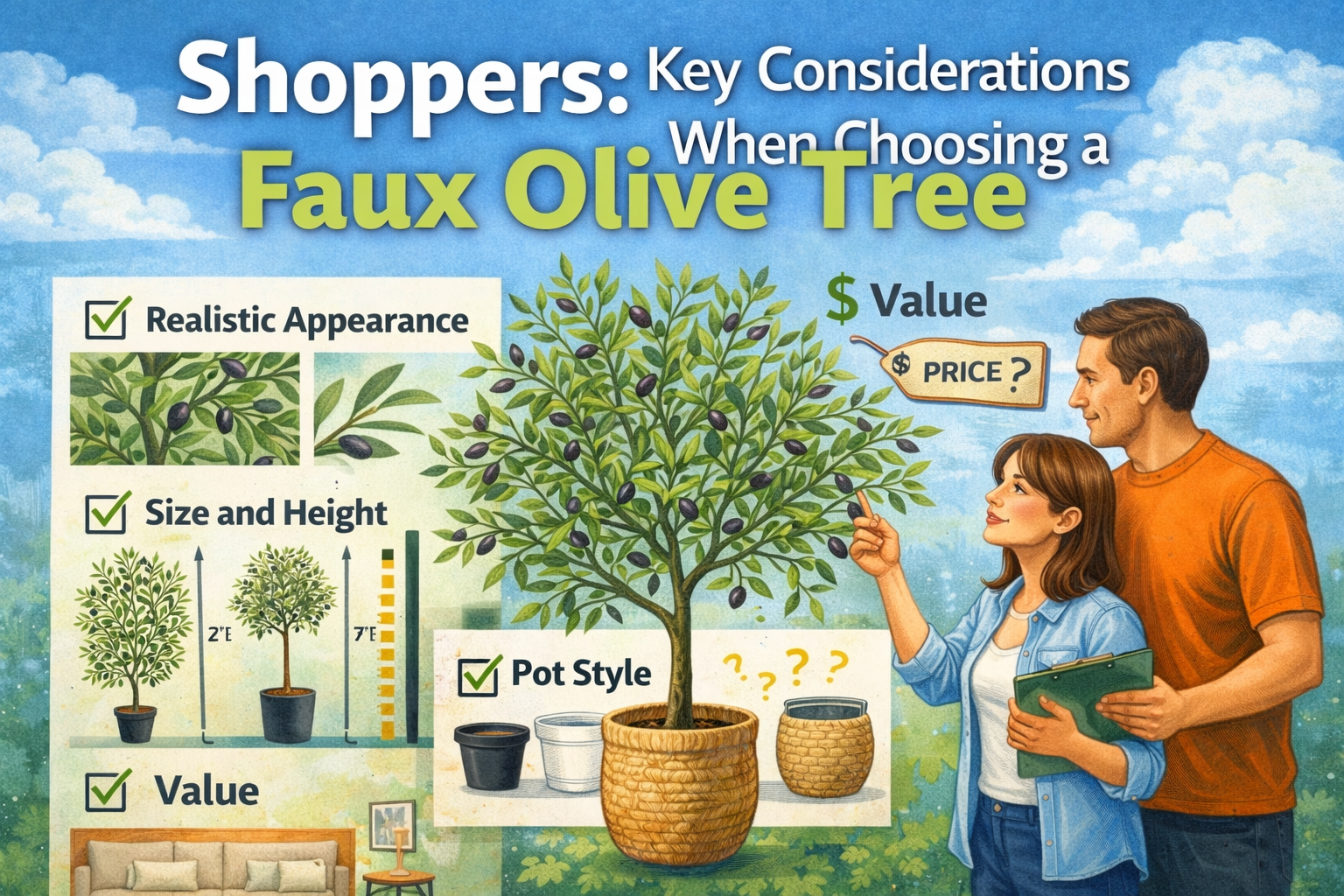
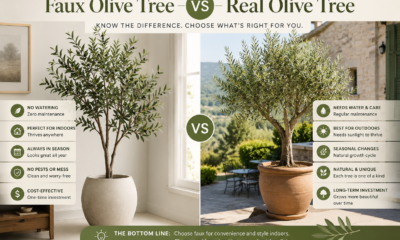
When shopping for a faux olive tree, discerning customers aim for products that offer the most natural appearance. Having an artificial tree that closely mimics the real thing can effortlessly elevate any interior space with a touch of nature’s charm.
Understanding the various factors that contribute to a superior synthetic olive tree, from material quality to maintenance needs, can greatly enhance the satisfaction with your purchase. In this article, we delve into what makes for a convincing and enduring faux olive tree.
Assessing the Realism of Faux Olive Trees for Authentic Aesthetics
The allure of a faux olive tree lies in its ability to replicate the look of a living tree without the requirement of care. Customers should seek out trees with a high level of detail in leaf structure, color gradations, and overall tree shape, as these aspects contribute significantly to realism.
Manufacturers who invest in intricate molds and high-quality painting techniques are often successful in creating lifelike foliage. Leaves with subtle variations in color and texture, as well as stems with realistic bark patterns, can make an artificial tree nearly indistinguishable from a real one.
When evaluating these trees, take a closer look at the craftsmanship. Check for a balance between fullness and natural irregularity, which mimics how real olive trees grow. faux olive tree Remember, even small details like the color of the olives can impact the authenticity of the tree’s appearance.
Material and Durability Considerations for Faux Olive Trees
Choosing a faux olive tree that stands the test of time requires paying close attention to the materials used in its construction. The durability of your faux tree is largely dependent on the quality of the plastics and fabrics from which it is made.
High-end faux trees typically utilize UV-resistant materials to prevent fading and are built with sturdy inner metal frames to maintain structure over time. Less expensive options may use lower-grade plastics that can degrade or become brittle, especially if placed in direct sunlight.
Investigate the material specifications and opt for those that promise longevity. If possible, choose a faux olive tree with a warranty or guarantee, as this indicates the manufacturer’s confidence in the product’s durability. Research from or similar consumer advocacy groups can provide valuable insight into product lifespans.
Sizing Up the Right Faux Olive Tree for Your Space
The impact of a faux olive tree is also contingent on selecting the appropriate size and scale for the intended area. A tree that’s too small may look insignificant, whereas one that’s too large can overwhelm a space.
Measure the area where you plan to place your tree and consider the height of ceilings and surrounding furniture. For instance, a tall, slender tree may suit a corner with high ceilings, while a shorter, bushier plant could be ideal for tabletop displays.
Visual tools like augmented reality apps can be handy in helping visualize how different sizes will look in your space. Additionally, consult with an professional or use online guides to ensure that your choice complements your existing decor aesthetically and proportionally.
Care and Maintenance Tips for Faux Olive Tree Owners
Although faux olive trees eliminate the need for watering and sunlight, they do require some upkeep to stay looking fresh and clean. Dust accumulation is the primary concern, as it can detract from the realistic appearance of the tree.
To keep your faux olive tree in top condition, regular dusting with a soft cloth or use of a feather duster is recommended. Be gentle to avoid damaging the leaves, and consider using a hair dryer on a low, cool setting to blow dust out of harder-to-reach areas.
For deeper cleaning, a damp cloth can wipe away grime, but be sure to avoid harsh chemicals that could damage the materials. Additionally, occasionally repositioning the tree can prevent uneven fading and give a renewed sense of freshness to the decorating scheme.
Ultimately, choosing the perfect faux olive tree is about balancing realism, durability, size, and ease of upkeep. By doing thorough research and heeding expert advice, it’s possible to find a beautiful and believable artificial olive tree that complements your space for years to come. With the right care, your faux tree will continue to provide a touch of greenery and sophistication without the maintenance demands of a real plant.


Understanding AI Agent Architecture: From Automation to Autonomous Intelligence

How DMCA Ignored Hosting Help Adult Content Sites?

Other Alternatives to the Bigbunny Login Casino
Web UI Design Services, Custom Web App Development, or Local Product Design: Where to Start

Type-C to C vs Type A to Type C Cable: What’s the Difference?

How Executive Search Software Selects and Manages Senior Leadership Candidates

Data Science Course in Pune with Placement Support: From Classroom Training to Your First Job

Ethical Hacking Courses in Mumbai with Placement: Institutes, Duration, Fees & Jobs 2026

Best Micro Influencer Agency Singapore: Why Micro Beats Macro for Conversion

What Makes a Crypto Exchange Top-Rated? Understanding the Ranking Criteria
Web UI Design Services, Custom Web App Development, or Local Product Design: Where to Start
How Executive Search Software Selects and Manages Senior Leadership Candidates
Other Alternatives to the Bigbunny Login Casino
Type-C to C vs Type A to Type C Cable: What’s the Difference?
How DMCA Ignored Hosting Help Adult Content Sites?
Understanding AI Agent Architecture: From Automation to Autonomous Intelligence


 Tech2 years ago
How to Use a Temporary Number for WhatsApp
- Business3 years ago
Sepatuindonesia.com | Best Online Store in Indonesia
- Social Media2 years ago
The Best Methods to Download TikTok Videos Using SnapTik
- Technology2 years ago
Top High Paying Affiliate Programs
- Tech2 years ago
Understanding thejavasea.me Leaks Aio-TLP: A Comprehensive Guide
- FOOD2 years ago
How to Identify Pure Desi Ghee? Ultimate Guidelines for Purchasing Authentic Ghee Online

 Instagram4 years ago
Free Instagram Auto Follower Without Login
- Instagram4 years ago
Free Instagram Follower Without Login