Blog
Rádiem: Meaning, Origins, and Modern Relevance

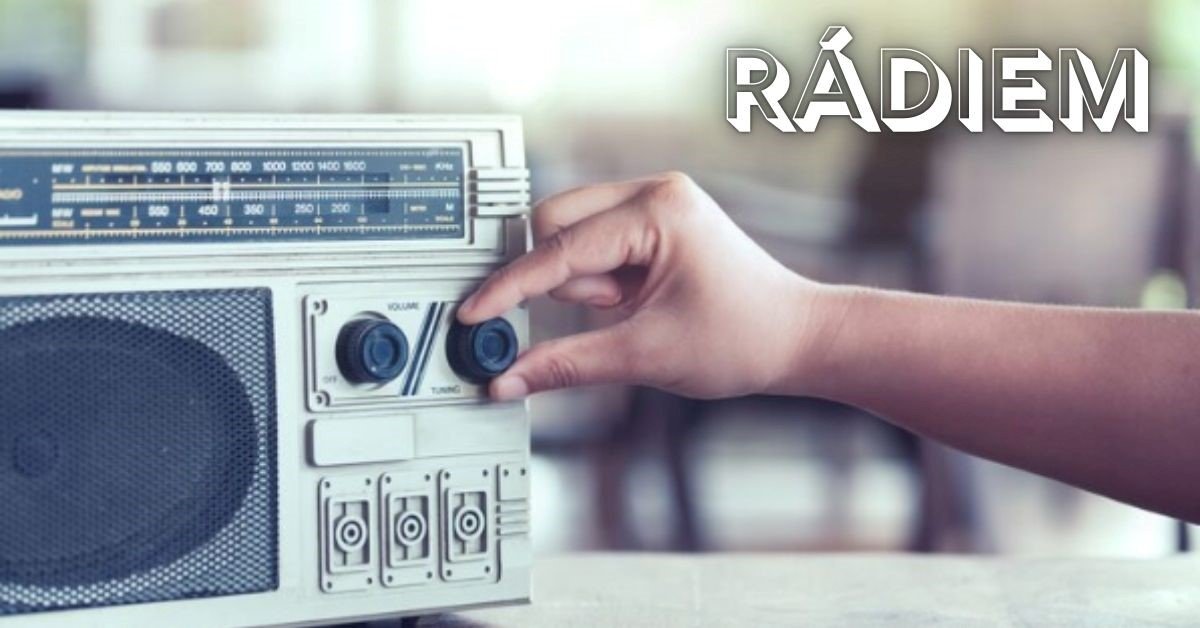
If you encounter the word rádiem, it may seem unfamiliar at first. Yet the term actually comes from a linguistic structure rather than a modern technology brand or product. In the Czech language, rádiem is the instrumental form of the noun rádio, which means radio. The instrumental case in Czech grammar indicates the tool or means by which an action happens, essentially translating to “by radio” or “through the radio.”
Language often reveals how people interact with tools and communication channels. In this case, the transformation from rádio to rádiem shows how grammar reflects everyday behavior. When someone communicates through a radio device, the language adjusts to express that relationship. The change might seem small, but it illustrates how deeply technology can become embedded in linguistic systems.
Understanding this grammatical nuance matters because it explains why the term appears in discussions about communication or media. It was never meant to represent a product or platform. Instead, it describes the method or medium used to transmit information. That simple grammatical idea has recently inspired broader interpretations connected to modern audio culture.
The Historical Roots of Radio Communication
Long before podcasts or streaming platforms existed, radio broadcasting transformed the way societies shared information. Early radio systems allowed voices and music to travel across long distances almost instantly. For people in remote communities, this technology created a lifeline to news, entertainment, and education. The ability to connect audiences through invisible signals felt almost magical during the early twentieth century.
As radio stations expanded, they quickly became a central part of daily life. Families gathered around receivers in the evenings to listen to dramas, music programs, and news updates. Governments used radio to communicate public information, and artists used it to reach audiences they could never meet in person. The radio wave became one of the most influential media channels of the modern era.
This historical context helps explain why language connected to radio still carries meaning today. The idea of communicating “through radio,” captured by rádiem, reflects an era when sound waves built cultural bridges across cities and continents. Even though technology has evolved, that underlying principle of connection remains the same.
Read More: BlendSwap: A Practical Look at Decentralized Trading
How Language Shapes Technology Terms
Language evolves alongside technology, and the transformation often happens naturally. When a tool becomes widely used, people start adapting words to describe how they interact with it. Over time, these linguistic shifts influence how we think about the technology itself. In many cases, a simple grammatical form becomes a symbol for broader cultural change.
The term rádiem illustrates this phenomenon clearly. Originally, it served a straightforward grammatical purpose. Yet modern writers and bloggers have started using the word in a more conceptual sense. Instead of only referring to communication by radio device, they sometimes use it to describe audio communication through any broadcast‑style medium.
This conceptual expansion happens frequently in language. Words associated with older technologies often adapt to describe newer ones. Just as the word “film” still describes digital movies, rádiem can metaphorically represent the evolving world of audio communication. The shift reflects how humans reinterpret language as technology progresses.
From Traditional Radio to Digital Audio
The landscape of audio media has changed dramatically during the past two decades. Traditional radio broadcasting once dominated the audio world, but digital platforms now provide countless listening options. Streaming services, podcast platforms, and smart speakers allow listeners to access content whenever they want. This shift transformed passive listening into an interactive experience.
Mobile technology played a huge role in this transition. Smartphones turned audio content into a portable companion that travels everywhere with the listener. People can now listen while commuting, exercising, or working. Instead of waiting for scheduled broadcasts, audiences choose what they want to hear and when they want to hear it.
Despite these changes, the fundamental idea behind audio communication remains consistent. Sound still connects people through a shared experience. The concept behind rádiem reflects this continuity. Whether signals travel through traditional radio waves or digital streaming servers, the essence of transmitting voices and stories through audio remains unchanged.
The Cultural Impact of Audio Communication
Audio media has always held a unique power to influence culture. Unlike visual platforms, sound stimulates imagination and emotion in subtle ways. A single voice can create intimacy with listeners, making them feel as if the speaker is addressing them personally. That emotional connection explains why radio and podcasts remain deeply engaging forms of media.
Across history, audio platforms have shaped music trends, political movements, and social conversations. Radio broadcasts once introduced entire generations to new genres of music. Today, podcasts and streaming platforms continue that tradition by allowing niche communities to share their voices with global audiences. The cultural ripple effect of audio communication is enormous.
This influence demonstrates why concepts like rádiem continue to resonate in modern discussions. The term reminds us that communication tools are not just technical inventions. They are cultural forces that shape how people share ideas, stories, and emotions across borders.
Podcasts and the Rise of Independent Creators
One of the most significant developments in modern audio media is the growth of podcasts. Unlike traditional radio stations, podcasts require minimal infrastructure to produce and distribute. Anyone with a microphone, editing software, and an internet connection can publish audio content for the world to hear. This accessibility opened the door for countless independent voices.
Creators now explore topics that traditional broadcasting often ignored. From personal storytelling to specialized education, podcasts allow hosts to speak directly to audiences who share specific interests. Listeners appreciate this authenticity because it feels less scripted and more conversational than traditional media.
This shift toward independent audio creation reflects a broader transformation in media power structures. Instead of relying solely on major broadcasting networks, audiences can discover content created by individuals and small teams. In that sense, the spirit behind rádiem evolves from centralized broadcasting toward a decentralized, community‑driven audio environment.
Challenges in Modern Audio Ecosystems
While digital audio platforms offer remarkable opportunities, they also present several challenges. One of the most common issues is content saturation. Thousands of podcasts launch every year, making it difficult for new creators to stand out. Even high‑quality content can remain unnoticed without effective promotion or distribution strategies.
Monetization is another obstacle many creators face. Traditional radio stations generate revenue through advertising and sponsorships, but independent podcasters often struggle to build sustainable income streams. Subscription models, crowdfunding platforms, and brand partnerships have helped, yet the path to profitability remains uncertain for many creators.
Discoverability also plays a major role in modern audio ecosystems. Algorithms on streaming platforms determine which shows reach larger audiences. When these algorithms prioritize certain types of content, smaller creators can find themselves competing in an uneven playing field. These challenges highlight the complexities of today’s audio landscape.
The Future of Rádiem in a Digital World
The future of audio communication looks both exciting and unpredictable. Emerging technologies continue to reshape how people interact with sound. Artificial intelligence already recommends personalized playlists, generates voice narration, and assists creators with editing and production. These tools make audio creation faster and more accessible than ever before.
Spatial audio and immersive sound technologies are also gaining attention. Instead of hearing audio from a single direction, listeners can experience three‑dimensional sound environments that feel incredibly realistic. This innovation opens new possibilities for storytelling, gaming, and virtual reality experiences that rely heavily on sound design.
In this evolving landscape, the concept of rádiem symbolizes the enduring role of audio communication. The tools may change, but the core idea remains the same: people connecting through sound. As technology continues to advance, audio will likely become even more integrated into daily life, shaping how we learn, entertain ourselves, and share our voices with the world.
Conclusion
The word rádiem began as a simple grammatical form in the Czech language, describing communication “through the radio.” Over time, its meaning has inspired broader interpretations connected to modern audio culture and digital media. What started as a linguistic detail now represents the evolving relationship between language, technology, and communication.
Audio media has traveled a remarkable path from early radio broadcasts to today’s on‑demand streaming platforms. Along the way, it has shaped culture, empowered creators, and connected people across continents. The concept behind rádiem reminds us that technology may change, but the human desire to communicate through sound remains constant.
As digital audio continues to expand, the symbolic value of this term becomes even clearer. Whether through podcasts, smart speakers, or immersive sound experiences, the spirit of communicating “through the medium of sound” continues to define modern media. The future of audio will undoubtedly bring new innovations, yet its fundamental purpose will remain rooted in connection.

Understanding AI Agent Architecture: From Automation to Autonomous Intelligence

How DMCA Ignored Hosting Help Adult Content Sites?

Other Alternatives to the Bigbunny Login Casino
Web UI Design Services, Custom Web App Development, or Local Product Design: Where to Start

Type-C to C vs Type A to Type C Cable: What’s the Difference?

How Executive Search Software Selects and Manages Senior Leadership Candidates

Data Science Course in Pune with Placement Support: From Classroom Training to Your First Job

Ethical Hacking Courses in Mumbai with Placement: Institutes, Duration, Fees & Jobs 2026

Best Micro Influencer Agency Singapore: Why Micro Beats Macro for Conversion

What Makes a Crypto Exchange Top-Rated? Understanding the Ranking Criteria
Web UI Design Services, Custom Web App Development, or Local Product Design: Where to Start
How Executive Search Software Selects and Manages Senior Leadership Candidates
Other Alternatives to the Bigbunny Login Casino
Type-C to C vs Type A to Type C Cable: What’s the Difference?
How DMCA Ignored Hosting Help Adult Content Sites?
Understanding AI Agent Architecture: From Automation to Autonomous Intelligence


 Tech2 years ago
How to Use a Temporary Number for WhatsApp
- Business3 years ago
Sepatuindonesia.com | Best Online Store in Indonesia
- Social Media2 years ago
The Best Methods to Download TikTok Videos Using SnapTik
- Technology2 years ago
Top High Paying Affiliate Programs
- Tech2 years ago
Understanding thejavasea.me Leaks Aio-TLP: A Comprehensive Guide
- FOOD2 years ago
How to Identify Pure Desi Ghee? Ultimate Guidelines for Purchasing Authentic Ghee Online

 Instagram4 years ago
Free Instagram Auto Follower Without Login
- Instagram4 years ago
Free Instagram Follower Without Login