
Blog
Picada: Exploring Flavor, Culture, and Culinary Delight

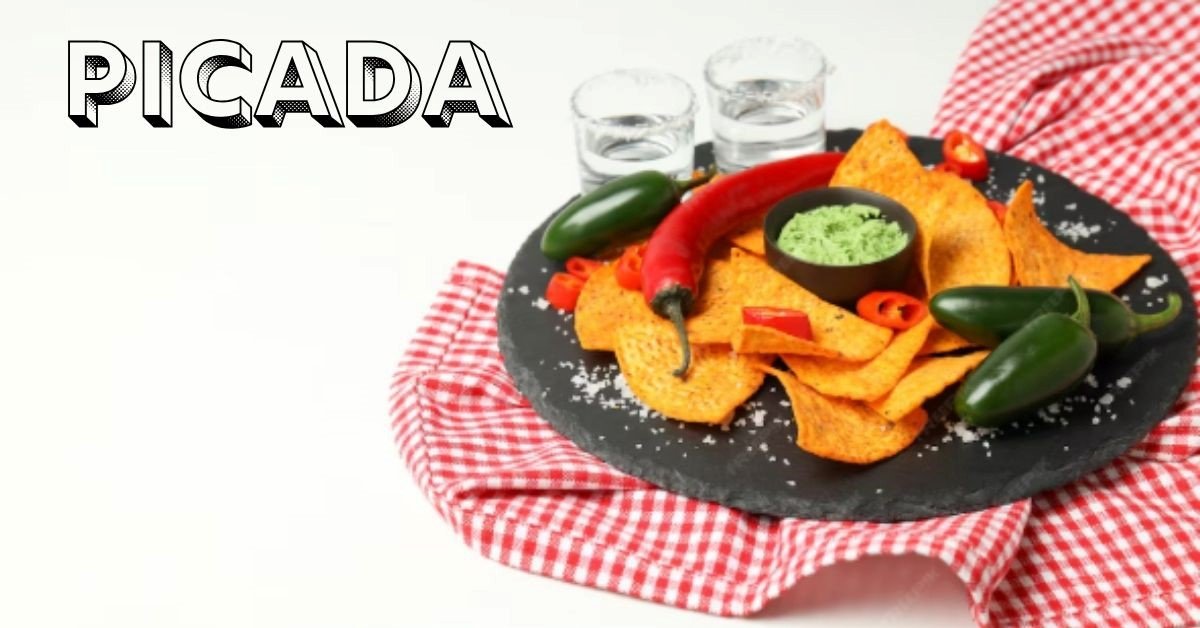
Food has an incredible way of telling stories—stories of heritage, tradition, and shared human experiences. One such culinary treasure is the picada, a concept that goes far beyond a simple dish and enters the realm of culture and connection. Whether enjoyed as a casual snack or a centerpiece of social gatherings, picada reflects the art of combining flavors, textures, and aromas in a harmonious way. Its charm lies not only in taste but also in the way it brings people together around the table. From rustic kitchens to modern dining spaces, this beloved creation continues to evolve while staying rooted in its origins. In this article, we dive deep into the essence of picada and explore what makes it so universally appealing.
Origins and Cultural Roots of Picada
The story of picada begins in regions where food is deeply tied to community and tradition, particularly in parts of Latin America and Southern Europe. It is not just a recipe but a way of eating that emphasizes sharing, simplicity, and enjoyment. Historically, picada emerged as a practical solution for feeding groups with a variety of small, accessible foods that required minimal preparation yet offered maximum flavor. Over time, it evolved into a symbol of hospitality, where hosts would present an assortment of bites to welcome guests warmly.
Beyond its practical roots, picada holds cultural significance as a representation of abundance and togetherness. Families and friends gather around a spread filled with cheeses, cured meats, olives, breads, and more, creating an inviting atmosphere of connection. This tradition reflects the importance of slowing down and savoring both food and company. In many cultures, preparing a picada is seen as an act of care, demonstrating thoughtfulness in selecting and arranging items that will delight everyone at the table.
Read more: Plumeria Beauty: Meaning, Care, and Tropical Charm
Essential Ingredients That Define Picada
At the heart of any picada lies a carefully curated selection of ingredients that complement each other in flavor and texture. Common elements include a variety of cheeses ranging from soft and creamy to firm and aged, each contributing a distinct taste profile. Cured meats such as salami, chorizo, or prosciutto often play a central role, adding richness and depth. These are typically accompanied by fresh bread or crackers that provide a neutral base for pairing.
In addition to these staples, a picada often includes olives, nuts, pickled vegetables, and spreads like hummus or pâté. These components introduce contrasting flavors—salty, tangy, and sometimes sweet—that enhance the overall experience. Fresh fruits such as grapes or figs may also be included to add a refreshing balance. The beauty of picada lies in its flexibility, allowing for endless combinations that cater to personal preferences and seasonal availability.
The Art of Assembling a Perfect Picada
Creating a visually appealing and well-balanced picada requires both creativity and attention to detail. The arrangement is just as important as the ingredients themselves, as it sets the tone for the dining experience. A well-assembled spread typically features a variety of colors, shapes, and textures, ensuring that each element stands out while contributing to a cohesive presentation. Using wooden boards, ceramic platters, or rustic trays can enhance the aesthetic appeal.
Equally important is the balance of flavors and portions. A good picada should offer a mix of savory, salty, and mildly sweet items, allowing guests to experiment with different combinations. Spacing the components thoughtfully prevents overcrowding and makes it easier for everyone to access the food. The goal is to create an inviting display that encourages exploration and interaction, turning the act of eating into a shared experience.
Picada as a Social Dining Experience
One of the most defining aspects of picada is its role in social gatherings. Unlike traditional meals that follow a structured format, picada encourages a more relaxed and interactive approach to dining. Guests can pick and choose what they like, creating their own combinations and enjoying the process at their own pace. This informal style fosters conversation and connection, making it a popular choice for parties, celebrations, and casual get-togethers.
The communal nature of picada also reflects a broader cultural value of togetherness. Sharing food from a common spread creates a sense of unity and inclusivity, breaking down barriers and encouraging interaction. Whether it is a family gathering or a meeting of friends, picada serves as a catalyst for meaningful moments. It transforms eating into an experience that goes beyond nourishment, emphasizing the joy of being present with others.
Regional Variations and Interpretations
While the concept of picada remains consistent, its interpretation varies widely across different regions. In some areas, it may lean heavily on local cheeses and cured meats, reflecting the flavors of the region. In others, it might incorporate seafood, grilled vegetables, or even street food-inspired items. These variations highlight the adaptability of picada and its ability to embrace diverse culinary traditions.
Each regional version brings its own unique twist, influenced by local ingredients and cultural preferences. For example, Mediterranean-inspired spreads might feature feta cheese, olives, and roasted vegetables, while Latin American versions could include empanadas, sausages, and spicy dips. This diversity not only keeps the concept fresh and exciting but also allows people to explore new flavors and culinary styles through a familiar format.
Nutritional Aspects and Balanced Choices
Although picada is often associated with indulgence, it can also be a balanced and nutritious option when thoughtfully prepared. Including a variety of fresh fruits, vegetables, and whole-grain options can enhance its nutritional value. Lean proteins such as grilled chicken or fish, along with plant-based spreads, can provide healthier alternatives to traditional high-fat items. This flexibility makes it possible to tailor a picada to suit different dietary needs and preferences.
Moderation and variety are key to maintaining balance in a picada. By offering a range of options, guests can create combinations that align with their dietary goals without feeling restricted. The inclusion of nutrient-dense foods ensures that the spread is not only enjoyable but also nourishing. This approach allows picada to be both a treat and a mindful eating experience, combining pleasure with health-conscious choices.
Modern Trends and Creative Twists
In recent years, picada has gained popularity in modern culinary spaces, inspiring chefs and home cooks alike to experiment with new ideas. Contemporary versions often incorporate global flavors, fusion elements, and artistic presentations that elevate the traditional concept. From themed spreads to gourmet ingredient selections, the possibilities are virtually endless. This evolution reflects the dynamic nature of food culture and the desire to innovate while honoring tradition.
Social media has also played a significant role in popularizing visually stunning picada arrangements. Creative displays featuring intricate designs and vibrant colors have captured the attention of food enthusiasts worldwide. These modern interpretations not only showcase culinary skills but also inspire others to explore their own creativity. As a result, picada continues to evolve, blending tradition with innovation in exciting ways.
Conclusion: The Timeless Appeal of Picada
The enduring charm of picada lies in its simplicity, versatility, and ability to bring people together. It is more than just a collection of foods—it is an experience that celebrates flavor, creativity, and connection. From its cultural roots to its modern interpretations, picada continues to captivate food lovers around the world. Its adaptability ensures that it remains relevant across different cuisines and lifestyles.
As we explore and embrace the concept of picada, we discover not only new tastes but also the joy of sharing and togetherness. Whether enjoyed in a traditional setting or reimagined with contemporary flair, it holds a special place in the world of culinary traditions. Ultimately, picada reminds us that the best meals are not just about what we eat, but about the moments we create while enjoying them.
Read more: Jamaican Apple Fruit: A Tropical Treat Bursting With Flavor

Understanding AI Agent Architecture: From Automation to Autonomous Intelligence

How DMCA Ignored Hosting Help Adult Content Sites?

Other Alternatives to the Bigbunny Login Casino
Web UI Design Services, Custom Web App Development, or Local Product Design: Where to Start

Type-C to C vs Type A to Type C Cable: What’s the Difference?

How Executive Search Software Selects and Manages Senior Leadership Candidates

Data Science Course in Pune with Placement Support: From Classroom Training to Your First Job

Ethical Hacking Courses in Mumbai with Placement: Institutes, Duration, Fees & Jobs 2026

Best Micro Influencer Agency Singapore: Why Micro Beats Macro for Conversion

What Makes a Crypto Exchange Top-Rated? Understanding the Ranking Criteria
Web UI Design Services, Custom Web App Development, or Local Product Design: Where to Start
How Executive Search Software Selects and Manages Senior Leadership Candidates
Other Alternatives to the Bigbunny Login Casino
Type-C to C vs Type A to Type C Cable: What’s the Difference?
How DMCA Ignored Hosting Help Adult Content Sites?
Understanding AI Agent Architecture: From Automation to Autonomous Intelligence


 Tech2 years ago
How to Use a Temporary Number for WhatsApp
- Business3 years ago
Sepatuindonesia.com | Best Online Store in Indonesia
- Social Media2 years ago
The Best Methods to Download TikTok Videos Using SnapTik
- Technology2 years ago
Top High Paying Affiliate Programs
- Tech2 years ago
Understanding thejavasea.me Leaks Aio-TLP: A Comprehensive Guide
- FOOD2 years ago
How to Identify Pure Desi Ghee? Ultimate Guidelines for Purchasing Authentic Ghee Online

 Instagram4 years ago
Free Instagram Auto Follower Without Login
- Instagram4 years ago
Free Instagram Follower Without Login