
Blog
The Unique Elegance of the Rare Padovana Chicken Breed

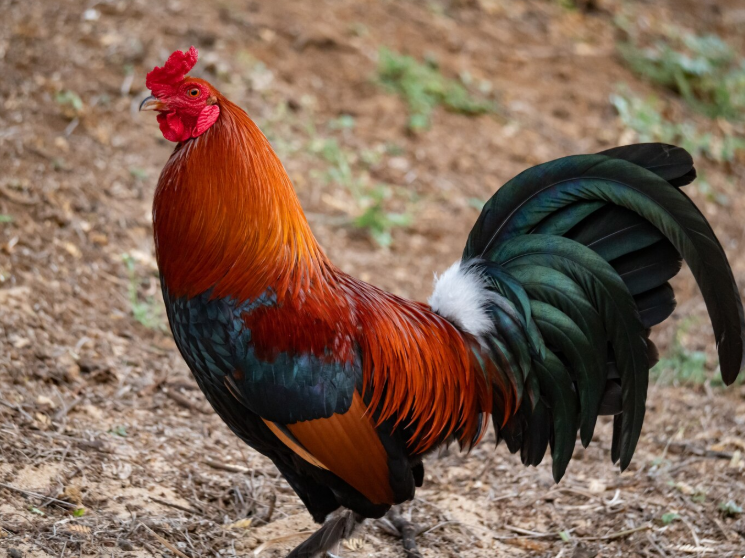
The Padovana chicken, also known as the Polverara or simply “Padovana,” is a striking ornamental chicken breed that originated in the Padua region of northern Italy. This breed dates back to the Renaissance period, where it was often depicted in artwork and praised for its decorative features and noble bearing. Some poultry historians believe that the Padovana may be a descendant of the Polish or Dutch crested chickens, introduced to Italy through ancient trade routes. Others argue the breed may have evolved independently in the Veneto region. Regardless of its precise ancestry, the Padovana is undoubtedly a breed steeped in European aristocratic heritage and continues to be celebrated for its distinct appearance and historical charm.
Physical Characteristics and Appearance
The Padovana chicken is best known for its flamboyant crest of feathers, which dramatically erupts from the top of its head, creating an elegant, fluffy dome. This crest often obscures the bird’s eyes, giving it a curious and regal look. Alongside the crest, the bird features a compact body, upright posture, and a beardless face—a unique contrast to other crested breeds like the Polish, which often have beards. It also lacks a comb, which is replaced by a hard bony prominence on its skull. The Padovana comes in various color varieties, including black, white, gold-laced, and silver-laced, each exhibiting an iridescent or patterned sheen that adds to their visual splendor. Its slender legs and light frame allow for graceful movement, reinforcing its status as a true showbird.
Temperament and Behavior Traits
Despite their exotic appearance, Padovana chickens are known for their calm and inquisitive temperaments. They are generally friendly toward humans and do well in flocks with other ornamental or non-aggressive breeds. However, due to their large crests, they may be more skittish than other chickens, especially if their vision is impaired. Their limited eyesight can make them vulnerable to predators and jumpy in new environments, so extra care is often required to make them feel secure. With consistent handling and gentle interaction, Padovanas can become tame and even affectionate pets. Their intelligence and curiosity also make them good foragers, although their crests may hinder their ability to detect food or danger, requiring careful oversight in free-range settings.
Egg Laying and Productivity
While Padovana chickens are not considered prolific egg layers, they do produce a respectable number of medium-sized white eggs each year, typically ranging from 120 to 150 eggs depending on the hen and environmental conditions. They are not known for broodiness, which means they do not often sit on their eggs to hatch chicks naturally. This trait can be beneficial for those looking to collect eggs consistently, but it also means that artificial incubation may be necessary for breeding programs. Compared to commercial breeds like Leghorns or ISA Browns, the Padovana is not an economic choice for large-scale egg production but offers unique value for those prioritizing ornamental qualities and heritage preservation.
Housing and Environmental Needs
Due to their delicate feathering and reduced field of vision, Padovana chickens require well-designed housing to ensure their health and safety. Their coops should be secure from predators, well-ventilated, and dry, as their crests can become matted or moldy if exposed to prolonged damp conditions. Special attention should be paid to bedding, nesting box cleanliness, and perches to prevent mite infestations around their head feathers. If allowed to roam, a fenced enclosure with ample cover is ideal to protect them from hawks and other threats. Shade and dust baths will also help them manage heat and parasites naturally. Their diet should be rich in protein and vitamins to support their ornate plumage and overall health, with special supplements like biotin helping to maintain crest feather quality.
Grooming and Maintenance Tips
Grooming is a significant part of Padovana care, particularly due to their extravagant head feathers. Owners often need to trim or tie back the crest to improve the chicken’s vision, especially in active flocks or exhibition settings. Regular inspection of the feathers for lice, mites, or dirt buildup is essential, and some keepers opt to gently bathe their birds during molting seasons or before shows. The bony skull prominence also requires attention to ensure it is not injured during handling or by pecking flockmates. Clean, dry bedding and routine coop maintenance go a long way in preventing infections or feather degradation. Though they require more upkeep than utility breeds, the aesthetic payoff and personality of the Padovana make grooming a rewarding part of their ownership.
Breeding Challenges and Genetic Integrity
Breeding Padovana chickens presents a set of challenges largely due to their unique skull structure and ornamental traits. The skull crest is formed by a genetic mutation affecting bone development, which can sometimes lead to neurological issues or deformities if not managed carefully through selective breeding. Ethical breeders focus on maintaining genetic diversity while avoiding pairing birds with extreme traits that could compromise health. Inbreeding or poor selection practices can exacerbate problems such as vision impairment, malformed beaks, or poor feather quality. Responsible breeding programs prioritize both the visual standard of the breed and the overall well-being of the birds, balancing beauty with vitality to sustain the Padovana’s long-term viability.
Padovana in Poultry Exhibitions
The Padovana chicken is a favorite among poultry enthusiasts and often a show-stopper at exhibitions across Europe and parts of North America. Their dramatic crests and rare status make them highly prized in ornamental and heritage poultry circles. Birds are judged based on crest size and shape, feather lacing, posture, body proportion, and overall health. Exhibitors invest time in grooming and conditioning their birds months in advance to ensure peak appearance. Due to its regal bearing and rare lineage, the Padovana often garners attention even outside of formal judging rings, often featured in educational booths or breed awareness campaigns. Successful exhibition birds are typically those raised in carefully controlled environments and selectively bred for temperament and appearance.
Preservation of an Endangered Breed
The Padovana is currently classified as a rare or endangered breed in many regions, prompting conservationists and heritage breeders to focus on its preservation. Organizations like the Italian Federation of Poultry Breeders (FIAV) and various rare breed conservancies in Europe and the U.S. have promoted breeding programs, awareness campaigns, and standardized judging criteria to maintain the integrity of the breed. As industrial poultry farming has favored high-production hybrids, ornamental breeds like the Padovana have seen significant declines in population. Enthusiasts and hobbyists now play a vital role in safeguarding this breed’s future by supporting breeding, exhibiting, and promoting education about its history and care requirements. Inclusion in Slow Food’s Ark of Taste has also helped highlight its cultural significance and the need for sustainable stewardship.
Cultural and Historical Significance
Padovana chickens hold a distinct place in European cultural history. During the Renaissance, they were commonly seen in noble households and depicted in paintings, often symbolizing elegance, rarity, and wealth. Their association with the Padua region connects them to the broader agricultural traditions of northern Italy, where poultry was not just a source of food but also an expression of social status. Over the centuries, the breed has experienced waves of popularity and obscurity, surviving both the shift to industrialized farming and modern trends in pet keeping. Today, the Padovana is celebrated as a living piece of agricultural art, bridging historical legacy with contemporary interest in biodiversity and animal aesthetics.
Ideal Owners and Suitability as Pets
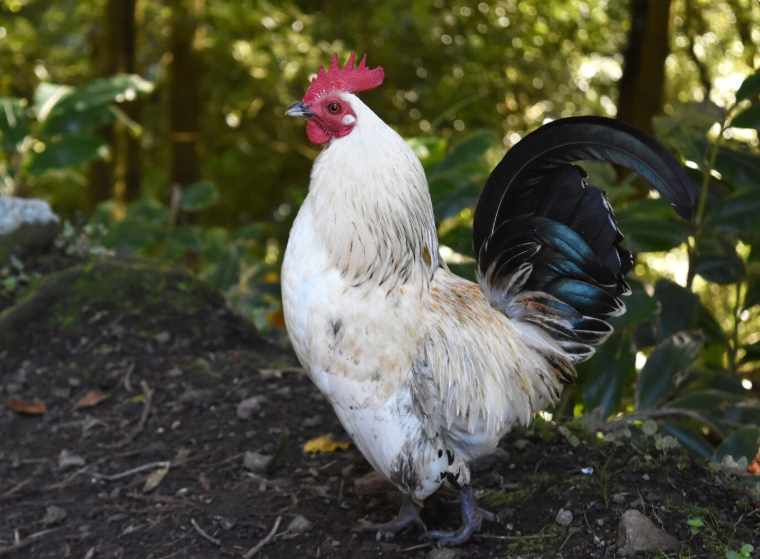
The Padovana chicken is best suited for hobbyists, backyard chicken keepers, and ornamental poultry enthusiasts who are willing to dedicate time to grooming, protection, and interaction. Their calm temperament and unusual appearance make them excellent conversation starters and enjoyable companions. Families with children often find them charming and easy to tame, provided the children are taught gentle handling practices. However, due to their grooming and security needs, Padovanas are not ideal for first-time poultry keepers with limited space or resources. They thrive in environments where aesthetics, care, and historical appreciation are valued alongside functionality, making them perfect additions to gardens, educational farms, or small heritage flocks.
Padovana vs Similar Crested Breeds
It’s common to confuse the Padovana with other crested breeds like the Polish, Houdan, or Sultan chickens. While they share similarities in appearance, especially the crest, each breed has distinctive features. Unlike the Polish chicken, the Padovana is beardless and typically has a more elongated crest shape. Houdans have five toes and beards, while Padovanas have four toes and no beard. The Sultan, another ornamental breed, is fully feathered down to the feet and more compact in size. These differences, though subtle, are significant to breeders and exhibition judges who look for adherence to breed standards. Understanding these distinctions helps ensure that Padovanas are correctly identified, bred, and preserved.
Diet and Nutritional Considerations
Padovana chickens require a balanced diet to maintain their elaborate plumage and overall vitality. A standard layer feed enriched with additional protein, vitamins, and minerals is ideal. Treats like mealworms, black soldier fly larvae, and leafy greens can be offered in moderation to support feather growth. Because their crests make it difficult to spot food on the ground, feeders should be kept elevated and in a visible area. Clean water must be available at all times to prevent dehydration and maintain feather health. During molting season or cold months, additional protein and energy sources may be added to boost immunity and feather regrowth. Nutritional care is an integral part of keeping a visually impressive and healthy Padovana.
Conclusion
The Padovana chicken is far more than a decorative bird—it represents centuries of agricultural heritage, careful breeding, and cultural appreciation. Its lavish crest, gentle nature, and historical significance make it one of the most distinctive chicken breeds in existence. Though it requires more care than typical utility breeds, the reward lies in its elegance and the opportunity to preserve a living piece of poultry history. Whether gracing a show ring or a quiet backyard coop, the Padovana continues to enchant those who value beauty, tradition, and biodiversity in their feathered companions.

Understanding AI Agent Architecture: From Automation to Autonomous Intelligence

How DMCA Ignored Hosting Help Adult Content Sites?

Other Alternatives to the Bigbunny Login Casino
Web UI Design Services, Custom Web App Development, or Local Product Design: Where to Start

Type-C to C vs Type A to Type C Cable: What’s the Difference?

How Executive Search Software Selects and Manages Senior Leadership Candidates

Data Science Course in Pune with Placement Support: From Classroom Training to Your First Job

Ethical Hacking Courses in Mumbai with Placement: Institutes, Duration, Fees & Jobs 2026

Best Micro Influencer Agency Singapore: Why Micro Beats Macro for Conversion

What Makes a Crypto Exchange Top-Rated? Understanding the Ranking Criteria
Web UI Design Services, Custom Web App Development, or Local Product Design: Where to Start
How Executive Search Software Selects and Manages Senior Leadership Candidates
Other Alternatives to the Bigbunny Login Casino
Type-C to C vs Type A to Type C Cable: What’s the Difference?
How DMCA Ignored Hosting Help Adult Content Sites?
Understanding AI Agent Architecture: From Automation to Autonomous Intelligence


 Tech2 years ago
How to Use a Temporary Number for WhatsApp
- Business3 years ago
Sepatuindonesia.com | Best Online Store in Indonesia
- Social Media2 years ago
The Best Methods to Download TikTok Videos Using SnapTik
- Technology2 years ago
Top High Paying Affiliate Programs
- Tech2 years ago
Understanding thejavasea.me Leaks Aio-TLP: A Comprehensive Guide
- FOOD2 years ago
How to Identify Pure Desi Ghee? Ultimate Guidelines for Purchasing Authentic Ghee Online

 Instagram4 years ago
Free Instagram Auto Follower Without Login
- Instagram4 years ago
Free Instagram Follower Without Login