
Blog
Mountain Oeuvre: Nature’s Majestic Artistic Masterpiece (60 characters)

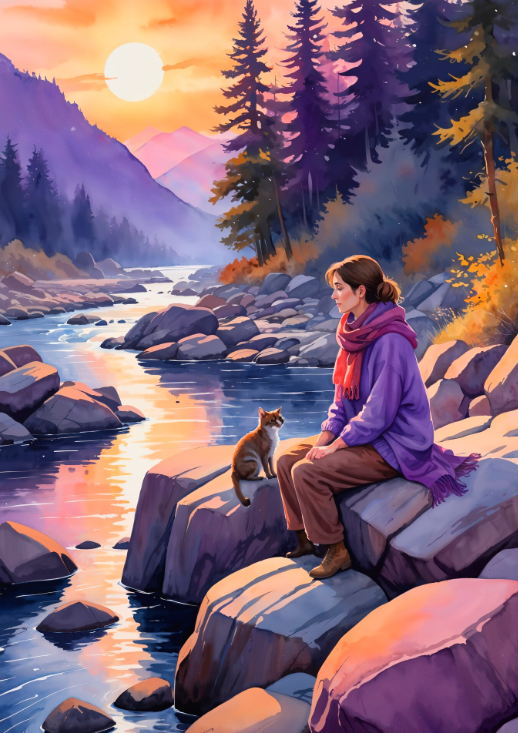
When we speak of a mountain as an oeuvre, we’re blending the worlds of nature and art. In artistic terms, an “oeuvre” is the full body of work by an artist or creator. Similarly, each mountain can be seen as nature’s grand oeuvre—a timeless, colossal creation shaped over eons. This article explores how mountains embody artistic expression, the symbolic resonance of peaks across cultures, and why we perceive them as living artworks.
The Concept of “Oeuvre” in Art and Nature
The word oeuvre refers to a substantial body of work constituting the life’s output of an artist—be it in literature, painting, or music. In a metaphorical sense, a mountain can be seen as nature’s own oeuvre: each rock layer, cliff, and summit telling a fragment of Earth’s geological story. Unlike traditional art, this natural oeuvre has no single creator; instead, it’s formed through millennia of tectonic shifts, erosion, volcanic activity, and climatic cycles.
Geological Processes as Artistic Forces
Mountains rise through dramatic geological phenomena—continental collisions, volcanic eruptions, and tectonic uplift. These forces sculpt ridges, plateaus, and valleys, akin to an artist chiseling marble. Over time, erosion, weathering, and glaciation refine these shapes, much like a painter sharpening brush strokes. Viewed through this lens, each geological epoch adds a new “layer” to the mountain’s oeuvre.
Visual and Aesthetic Splendor
Mountains captivate us visually: soaring peaks piercing the sky, ridgelines glowing in sunrise hues, snow fields shimmering under moonlight. This aesthetic appeal mirrors landscape paintings—Claude Monet’s repeated motifs of Mont Sainte‑Victoire, for instance, conveyed changing light and atmosphere over time . Similarly, each mountain presents an ever‑changing masterpiece as seasons shift and light evolves.
Cultural and Spiritual Oeuvre
Across cultures, mountains hold deep symbolic and spiritual significance. Mount Olympus in Greece symbolizes divine dwelling and mythic grandeur, while many Indigenous cultures revere peaks as sacred embodiments of ancestral spirits. These layered cultural meanings build upon nature’s physical form to create an intertwined oeuvre of geology and heritage.
Artistic Inspirations: Mountains in Art and Literature
Artists across centuries have referenced mountains as metaphorical oeuvres. Paul Cézanne’s Mont Sainte‑Victoire series explored the mountain repeatedly, yet each version felt unique—demonstrating that one subject can yield endless interpretation. Writers, poets, and photographers similarly treat mountains as living canvases, capturing shifting moods and atmospheres in every season.
The Embodied Oeuvre: Experiencing Mountains in Person
Seeing a mountain in person often feels more profound than viewing images. The scale, scent, wind, and presence evoke a multisensory oeuvre. Hikers and climbers describe reaching a summit not just as a physical triumph but as encountering a living artwork: every ridge, rock, and panorama stitched together as nature’s grand composition.
Emotional and Psychological Impact
Mountains evoke awe, humility, contemplation—emotional responses comparable to powerful artworks. Standing beneath a towering peak or admiring alpine expanses at sunrise often leads to reflection or a sense of connectedness. In this way, mountains function as emotional oeuvres—natural creations that move us deeply.
Case Studies: Notable “Mount Oeuvres”
Mont Sainte‑Victoire
Cézanne’s beloved subject became an artistic oeuvre in its own right. Repeatedly painted, it conveyed changing light, seasons, and emotional resonance—much like how we perceive nature adjusting over time.
Mount Blagodat, Middle Urals
Russian landscape painter Apollinary Vasnetsov depicted Blagodat Mountain multiple times, capturing not just the terrain but spiritual resonance and legend tied to the place. His oeuvre of Ural landscapes shows how a locale becomes a repeated motif, generating meaning beyond mere geography.
Environmental Narrative: The Living Oeuvre of Change
Unlike static human art, mountains continue to evolve. Climate change, erosion, shifting snow lines, glacial retreat—all alter mountain faces. Observing these changes becomes an ecological oeuvre—a living, shifting body of work reflecting Earth’s ongoing transformation.
Hiking Routes as Chapters of the Oeuvre
Trekking paths across a mountain range—each trail reveals different facets: one route traverses alpine meadows, another climbs rocky ridges or skirt glaciers. Together, these trails form narrative chapters of the mountain’s oeuvre—each offering unique perspectives and insights into its character.
Conservation: Preserving the Oeuvre
Protecting mountains through national parks, UNESCO designations, and habitat conservation helps preserve their natural oeuvre for future generations. These efforts ensure the integrity of the sculpted landscapes remains intact—like preserving a masterwork in a museum.
Personal Interpretation: Your Own Mountain Oeuvre
Every individual who engages with a mountain—climbers, artists, locals—adds personal experience to its oeuvre. Photographs, journals, drawings, or simply memories contribute to the shared narrative. Thus, a mountain’s oeuvre includes both natural formation and human interpretation.
Why This Metaphorical Lens Matters
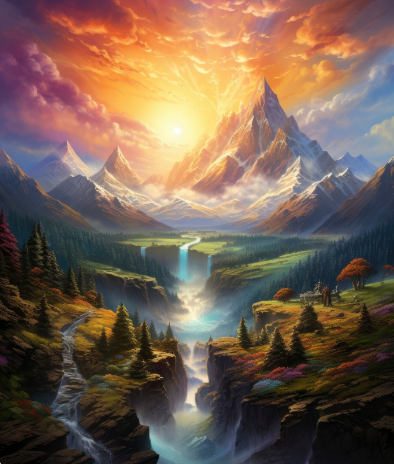
Viewing a mountain as an oeuvre encourages deeper appreciation—seeing beyond altitude or trail difficulty to a layered, living masterpiece. It invites artistic, emotional, geological, cultural, and environmental perspectives, enriching the experience of nature and fostering respect.
Conclusion
When we treat a mountain as an oeuvre, we acknowledge its status as a monumental work of art crafted by Earth itself and interpreted over time by humans. Mountains then become not just landforms, but living galleries—shaped by ancient forces, painted through changing light, enriched by cultural stories, and preserved for posterity. Embracing this perspective deepens our connection to nature and expands our appreciation for the timeless artistry underfoot.

Understanding AI Agent Architecture: From Automation to Autonomous Intelligence

How DMCA Ignored Hosting Help Adult Content Sites?

Other Alternatives to the Bigbunny Login Casino
Web UI Design Services, Custom Web App Development, or Local Product Design: Where to Start

Type-C to C vs Type A to Type C Cable: What’s the Difference?

How Executive Search Software Selects and Manages Senior Leadership Candidates

Data Science Course in Pune with Placement Support: From Classroom Training to Your First Job

Ethical Hacking Courses in Mumbai with Placement: Institutes, Duration, Fees & Jobs 2026

Best Micro Influencer Agency Singapore: Why Micro Beats Macro for Conversion

What Makes a Crypto Exchange Top-Rated? Understanding the Ranking Criteria
Web UI Design Services, Custom Web App Development, or Local Product Design: Where to Start
How Executive Search Software Selects and Manages Senior Leadership Candidates
Other Alternatives to the Bigbunny Login Casino
Type-C to C vs Type A to Type C Cable: What’s the Difference?
How DMCA Ignored Hosting Help Adult Content Sites?
Understanding AI Agent Architecture: From Automation to Autonomous Intelligence


 Tech2 years ago
How to Use a Temporary Number for WhatsApp
- Business3 years ago
Sepatuindonesia.com | Best Online Store in Indonesia
- Social Media2 years ago
The Best Methods to Download TikTok Videos Using SnapTik
- Technology2 years ago
Top High Paying Affiliate Programs
- Tech2 years ago
Understanding thejavasea.me Leaks Aio-TLP: A Comprehensive Guide
- FOOD2 years ago
How to Identify Pure Desi Ghee? Ultimate Guidelines for Purchasing Authentic Ghee Online

 Instagram4 years ago
Free Instagram Auto Follower Without Login
- Instagram4 years ago
Free Instagram Follower Without Login