
Business
Manufacturing Automation Systems for Better Quality Control

Manufacturing industries are rapidly evolving due to technological advancements and the increasing demand for precision, efficiency, and consistency. One of the most transformative innovations in this space is manufacturing automation systems, which are reshaping how products are designed, produced, and inspected. These systems reduce human intervention while improving accuracy and reliability across production lines.
Quality control has always been a critical aspect of manufacturing, as even minor defects can lead to significant financial losses and brand damage. Automation systems integrate advanced technologies to ensure that products meet strict quality standards at every stage of production. This article explores how manufacturing automation systems enhance quality control and why they are becoming essential in modern industries.
What are Manufacturing Automation Systems?
Manufacturing automation systems refer to the use of technology, machines, and software to perform production tasks with minimal human involvement. These systems are designed to streamline manufacturing processes, improve efficiency, and ensure consistency in output.
They combine mechanical devices, electronics, and intelligent software to automate tasks such as assembly, inspection, packaging, and material handling. By reducing manual effort, they help companies achieve faster production cycles and improved product quality.
Key features of automation systems include:
- High precision operations
- Reduced human error
- Continuous production capability
- Real-time monitoring
- Scalable production processes
- Integration with smart technologies
Role in Quality Control
Manufacturing automation systems play a vital role in maintaining and improving quality control standards. Traditional manual inspection methods are often inconsistent and prone to error, whereas automated systems ensure accuracy through continuous monitoring and data analysis.
These systems can detect defects instantly during production, allowing manufacturers to take corrective action before products move to the next stage. This reduces waste, saves time, and ensures that only high-quality products reach the market. Additionally, automated quality control systems can store and analyze production data, helping companies identify patterns and prevent recurring issues.
Automation also enhances traceability, making it easier to track defects back to their source and improve overall production efficiency.
Key Components
Manufacturing automation systems consist of several interconnected components that work together to ensure smooth operations and effective quality control.
1. Sensors and Detectors
Sensors are essential for collecting real-time data from the production environment. They detect variables such as temperature, pressure, vibration, and product dimensions. Detectors identify defects or irregularities in materials and products during manufacturing.
These components ensure that even the smallest deviations from quality standards are detected immediately, preventing defective products from progressing further in the production line.
2. Control Systems
Control systems act as the brain of automation systems. They process data collected from sensors and make decisions based on predefined rules or algorithms. These systems regulate machinery operations, ensuring consistency and precision in manufacturing processes.
Advanced control systems use artificial intelligence and machine learning to improve decision-making over time, adapting to changes in production conditions and enhancing quality control efficiency.
3. Robotics
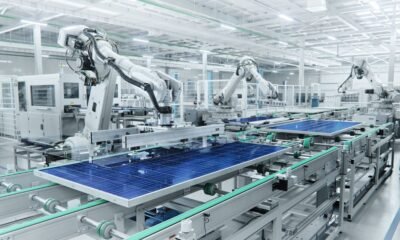
Robotics is a major part of manufacturing automation. Robots are used for tasks such as assembly, welding, packaging, and inspection. They perform repetitive tasks with high accuracy and speed, reducing the chances of human error.
In quality control, robotic systems are often equipped with vision technology that allows them to inspect products for defects with extreme precision. This ensures uniform quality across large production volumes.
4. Software Systems
Software systems integrate all components of automation into a unified platform. They manage data, monitor performance, and provide real-time analytics for decision-making. These systems allow manufacturers to visualize production processes and identify inefficiencies.
Modern software solutions also support predictive maintenance, helping prevent machine failures that could affect product quality. By combining data analytics with automation, software systems significantly enhance quality control processes.
Benefits of Automation in Quality Control
Manufacturing automation systems offer numerous advantages that significantly improve quality control processes. They help companies maintain consistency, reduce costs, and enhance productivity.
Automation minimizes human error by relying on machines and algorithms for precise operations. It also ensures continuous monitoring, which allows defects to be detected and corrected immediately. This leads to higher product reliability and customer satisfaction.
Additional benefits include:
- Lower production costs
- Faster inspection processes
- Reduced material waste
- Improved workplace safety
- Higher production efficiency
- Better compliance with standards
Future of Manufacturing Automation Systems
The future of manufacturing automation systems is highly promising as industries continue to adopt smart technologies. Innovations such as artificial intelligence, machine learning, and the Internet of Things (IoT) are making automation more intelligent and efficient.
Future systems will be capable of self-learning and adapting to complex production environments. This will further enhance quality control by predicting defects before they occur and optimizing production processes in real time. Advanced industries are also moving toward motor manufacturing automation solutions to improve precision, reduce operational costs, and achieve higher efficiency in large-scale production environments.
Emerging trends include:
- AI-driven quality inspection
- IoT-enabled smart factories
- Predictive maintenance systems
- Autonomous production lines
- Cloud-based manufacturing control
- Digital twin technology
These advancements will make manufacturing more flexible, efficient, and reliable, ensuring superior quality standards across industries.
Why Choose HONEST Automation?
HONEST Automation stands out as a reliable provider of advanced manufacturing automation solutions designed to improve efficiency and quality control across industries. The company focuses on delivering customized automation systems that meet the specific needs of modern manufacturers, helping them achieve higher productivity with fewer errors.
With a strong emphasis on innovation and precision engineering, it integrates cutting-edge technologies such as smart sensors, AI-driven control systems, and advanced robotics. This ensures that clients benefit from highly accurate and efficient production environments. The company also provides end-to-end support, from system design and installation to maintenance and optimization, ensuring long-term operational success.
Businesses choosing HONEST Automation gain access to scalable solutions that grow with their production demands. Their systems are built to enhance product consistency, reduce downtime, and improve overall quality control standards, making them a trusted partner in industrial automation.
Conclusion
Manufacturing automation systems have revolutionized quality control by introducing precision, speed, and consistency into production processes. By integrating sensors, robotics, control systems, and advanced software, manufacturers can detect and eliminate defects more effectively than ever before.
As technology continues to evolve, automation will play an even greater role in shaping the future of manufacturing. Companies that adopt these systems will benefit from improved efficiency, reduced costs, and higher product quality, giving them a strong competitive advantage in the global market.




Understanding AI Agent Architecture: From Automation to Autonomous Intelligence

How DMCA Ignored Hosting Help Adult Content Sites?

Other Alternatives to the Bigbunny Login Casino
Web UI Design Services, Custom Web App Development, or Local Product Design: Where to Start

Type-C to C vs Type A to Type C Cable: What’s the Difference?

How Executive Search Software Selects and Manages Senior Leadership Candidates

Data Science Course in Pune with Placement Support: From Classroom Training to Your First Job

Ethical Hacking Courses in Mumbai with Placement: Institutes, Duration, Fees & Jobs 2026

Best Micro Influencer Agency Singapore: Why Micro Beats Macro for Conversion

What Makes a Crypto Exchange Top-Rated? Understanding the Ranking Criteria
Web UI Design Services, Custom Web App Development, or Local Product Design: Where to Start
How Executive Search Software Selects and Manages Senior Leadership Candidates
Other Alternatives to the Bigbunny Login Casino
Type-C to C vs Type A to Type C Cable: What’s the Difference?
How DMCA Ignored Hosting Help Adult Content Sites?
Understanding AI Agent Architecture: From Automation to Autonomous Intelligence


 Tech2 years ago
How to Use a Temporary Number for WhatsApp
- Business3 years ago
Sepatuindonesia.com | Best Online Store in Indonesia
- Social Media2 years ago
The Best Methods to Download TikTok Videos Using SnapTik
- Technology2 years ago
Top High Paying Affiliate Programs
- Tech2 years ago
Understanding thejavasea.me Leaks Aio-TLP: A Comprehensive Guide
- FOOD2 years ago
How to Identify Pure Desi Ghee? Ultimate Guidelines for Purchasing Authentic Ghee Online

 Instagram4 years ago
Free Instagram Auto Follower Without Login
- Instagram4 years ago
Free Instagram Follower Without Login