
Blog
Lucipara: Hidden Islands and History in the Banda Sea

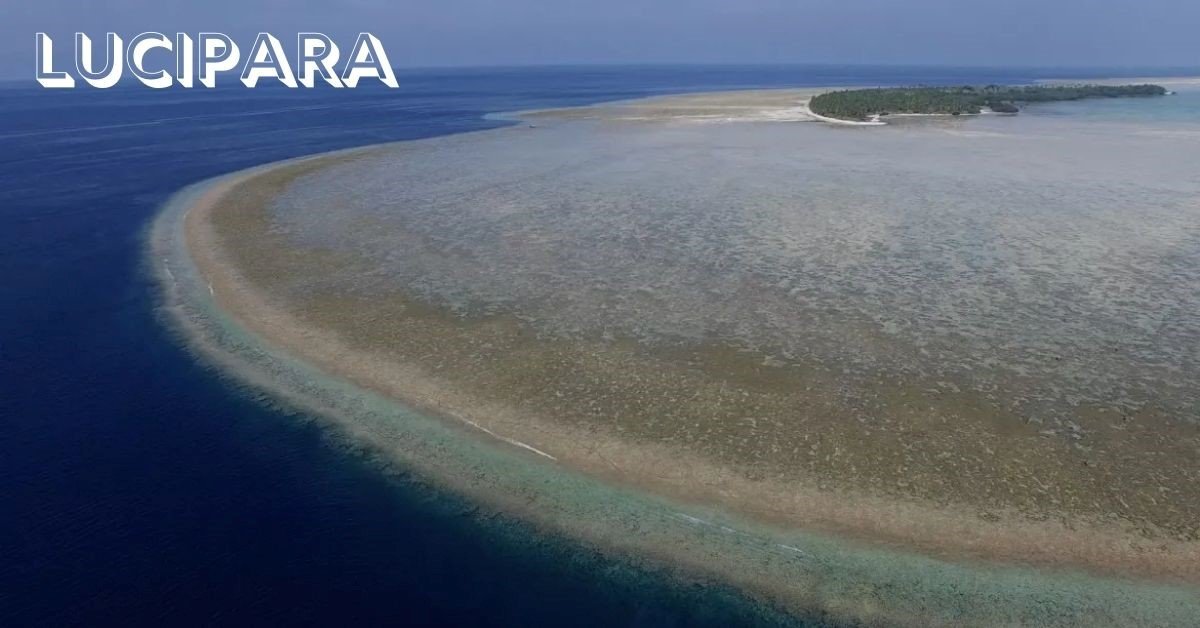
Lucipara is one of those names that sparks curiosity the moment you hear it. Tucked away in the vast Banda Sea of Indonesia, the Lucipara islands are remote, mysterious, and largely untouched by modern development. Sailors once relied on them as markers during long journeys across dangerous waters, while today divers and explorers admire their pristine reefs and marine life. Despite their small size, these islands hold a surprising mix of history, culture, and ecological importance. Learning about them reveals how even the smallest places on the map can play a remarkable role in human stories and natural systems.
The Geographic Setting of Lucipara
The Lucipara island group lies in the Banda Sea within Indonesia’s Maluku region, positioned near the Ceram area and the Manipa Strait. The formation consists of several small islands that form an atoll structure surrounded by coral reefs and deep ocean waters. Despite their modest land area, these islands stand out in nautical charts because of their location along historic maritime routes. Their isolation has preserved the natural environment in ways that more accessible islands rarely experience.
The main islands within the group include Pulau Mai, Pulau Kaurangka, and Pulau Selatan. These small landmasses rise slightly above the sea and are surrounded by shallow lagoons and reef flats that become visible at low tide. Coconut palms and sparse vegetation grow naturally on some of them, while others remain mostly sandy and undeveloped. Their simple landscapes contrast sharply with the vibrant underwater ecosystems that surround them.
Because the islands are remote and largely uninhabited, they remain relatively untouched by large-scale tourism or infrastructure. Researchers and divers often describe them as one of the quieter corners of the Indonesian archipelago. This geographic isolation helps protect the fragile ecosystems that thrive there and makes the area particularly valuable for environmental study and conservation.
Read more; Comprehensive House Washing Services in Port Saint Lucie by Castle Keeper’s Maintenance
Maritime History and Navigation
Long before satellite navigation and modern maps existed, sailors relied heavily on natural landmarks across the oceans. In the Banda Sea, small island groups such as Lucipara became important reference points for navigation. During the age of maritime trade, vessels traveling between spice-producing islands and larger trading centers often marked these islands on their routes to avoid dangerous reefs and shifting currents.
Historical records show that European navigators in the sixteenth and seventeenth centuries recognized the islands as both warnings and guides. Strong currents and surrounding reefs made the waters hazardous, yet the islands also served as reliable checkpoints along shipping lanes. Dutch East India Company maps eventually included them, highlighting their importance during the spice trade era.
Stories from sailors often portrayed the islands with a mix of respect and caution. Ship logs describe storms forming quickly in the region and currents pushing vessels toward reef edges. For crews crossing the Banda Sea, spotting these islands meant they were approaching a known but challenging part of their journey. Over time, the islands gained a reputation as symbols of both danger and guidance in maritime lore.
Natural Environment and Marine Life
One of the most remarkable aspects of Lucipara is its underwater world. The coral reefs surrounding the islands remain relatively healthy compared to many reef systems in other parts of the world. Because of limited human activity and minimal coastal development, marine ecosystems here have had a chance to flourish without the heavy pressure seen in crowded tourist destinations.
The reefs provide habitats for countless marine species. Reef fish, sea turtles, and pelagic species all pass through the surrounding waters. Large predators such as sharks and barracuda are also occasionally spotted by divers exploring the area’s deep walls and drop-offs. Healthy coral formations create a complex underwater landscape that supports breeding and feeding for many species.
Researchers often view the area as a valuable reference site for studying relatively untouched marine ecosystems. Coral reefs act as natural barriers that protect coastlines and serve as biodiversity hotspots in tropical seas. Preserving places like these is essential for understanding how marine life functions in balanced conditions and how conservation efforts might restore damaged reef systems elsewhere.
Cultural Stories and Regional Connections
Although the islands themselves have few permanent residents, nearby communities have long been familiar with them. Fishermen from neighboring islands occasionally travel through the waters around the atoll while navigating traditional fishing routes. Over generations, these journeys created stories and beliefs connected to the islands and the surrounding sea.
Local folklore often portrays the islands as mysterious places watched over by sea spirits or protective forces. Such stories developed naturally in maritime cultures where unpredictable weather and hidden reefs could turn an ordinary voyage into a dangerous situation. Oral traditions helped sailors remember risky areas and passed down knowledge about currents, reefs, and safe navigation routes.
Cultural connections also appear in the way communities describe the islands as landmarks in their understanding of the sea. Even without permanent settlements, the islands became part of regional identity. Their presence in local storytelling shows how geography influences culture, especially in island societies where daily life depends on the ocean.
Tourism and Diving Opportunities
In recent years, the remote beauty of Lucipara has attracted the attention of divers and adventurous travelers. The area’s coral reefs and clear waters make it appealing for underwater exploration. Because the islands are far from major ports, most visitors arrive on liveaboard boats that travel across the Banda Sea on extended diving trips.
Divers often describe the underwater terrain as dramatic and varied. Steep drop-offs, deep walls, and strong currents create conditions that attract larger marine species. Hammerhead sharks and other pelagic fish sometimes appear in these waters, especially during cooler seasonal periods. Visibility can reach impressive distances, allowing divers to observe reef formations and marine life clearly.
The lack of mass tourism gives visitors a sense of exploring somewhere genuinely wild. Instead of crowded dive sites and busy resorts, travelers encounter open sea, untouched reefs, and quiet beaches. That sense of isolation is part of what makes the destination appealing for those seeking authentic ocean exploration rather than commercialized travel experiences.
Ecological Importance and Conservation
Remote island ecosystems often play an important role in global biodiversity, and Lucipara is no exception. Coral reefs surrounding the islands act as breeding grounds and feeding areas for many species that migrate across larger ocean regions. Protecting these habitats helps maintain healthy marine populations far beyond the boundaries of the island group itself.
Sea turtles are among the notable species associated with the area. The islands provide resting points and nearby feeding grounds, making them valuable locations for monitoring turtle populations. Preserving these habitats is essential because many turtle species face threats from fishing practices, pollution, and climate change.
Conservation experts often emphasize that remote reefs can serve as natural laboratories for studying ocean health. When scientists observe ecosystems that have experienced minimal human interference, they gain insights into how coral reefs function in balanced conditions. Those lessons can inform strategies for restoring degraded reef systems in more populated regions.
Why Lucipara Still Captures Curiosity
Despite its remote location, Lucipara continues to capture the imagination of explorers, historians, and nature enthusiasts. Small islands in vast oceans often symbolize adventure and mystery, and this group fits that image perfectly. Their limited size contrasts sharply with the vastness of the sea that surrounds them.
Another reason the islands attract attention is their layered identity. They exist simultaneously as geographic features, historical navigation points, ecological refuges, and cultural symbols. Each perspective reveals a different side of their significance, reminding us that even tiny islands can hold multiple stories at once.
The growing interest in remote destinations also contributes to their appeal. Travelers increasingly seek places that feel authentic and untouched by heavy development. In a world where many coastlines are crowded with resorts and infrastructure, islands like these represent rare examples of natural environments that remain largely unchanged.
Conclusion: The Lasting Significance of Lucipara
Lucipara may appear as a small cluster of islands on a map, but its importance stretches far beyond its physical size. Historically, the islands served as navigational markers for sailors traveling across the Banda Sea. Ecologically, they provide habitats for coral reefs, sea turtles, and many other marine species that depend on healthy ocean ecosystems.
Their story also reflects how geography shapes human understanding of the sea. Fishermen, explorers, and divers have each experienced the islands in different ways, yet all share a sense of respect for their remote beauty and natural power. Places like these remind us that even the smallest features in the ocean can hold remarkable historical and environmental value.
Today, interest in Lucipara continues to grow as more people learn about its reefs, history, and cultural stories. Protecting such places ensures that future generations can study, explore, and appreciate them just as sailors once did centuries ago. In many ways, the islands represent a quiet but powerful example of how nature, history, and human curiosity meet in the middle of the sea.
Read more; The Warm Glow of Traditional Candles Through Time

Understanding AI Agent Architecture: From Automation to Autonomous Intelligence

How DMCA Ignored Hosting Help Adult Content Sites?

Other Alternatives to the Bigbunny Login Casino
Web UI Design Services, Custom Web App Development, or Local Product Design: Where to Start

Type-C to C vs Type A to Type C Cable: What’s the Difference?

How Executive Search Software Selects and Manages Senior Leadership Candidates

Data Science Course in Pune with Placement Support: From Classroom Training to Your First Job

Ethical Hacking Courses in Mumbai with Placement: Institutes, Duration, Fees & Jobs 2026

Best Micro Influencer Agency Singapore: Why Micro Beats Macro for Conversion

What Makes a Crypto Exchange Top-Rated? Understanding the Ranking Criteria
Web UI Design Services, Custom Web App Development, or Local Product Design: Where to Start
How Executive Search Software Selects and Manages Senior Leadership Candidates
Other Alternatives to the Bigbunny Login Casino
Type-C to C vs Type A to Type C Cable: What’s the Difference?
How DMCA Ignored Hosting Help Adult Content Sites?
Understanding AI Agent Architecture: From Automation to Autonomous Intelligence


 Tech2 years ago
How to Use a Temporary Number for WhatsApp
- Business3 years ago
Sepatuindonesia.com | Best Online Store in Indonesia
- Social Media2 years ago
The Best Methods to Download TikTok Videos Using SnapTik
- Technology2 years ago
Top High Paying Affiliate Programs
- Tech2 years ago
Understanding thejavasea.me Leaks Aio-TLP: A Comprehensive Guide
- FOOD2 years ago
How to Identify Pure Desi Ghee? Ultimate Guidelines for Purchasing Authentic Ghee Online

 Instagram4 years ago
Free Instagram Auto Follower Without Login
- Instagram4 years ago
Free Instagram Follower Without Login