
Blog
Gratinieren: How to Master Perfect Golden Crusts

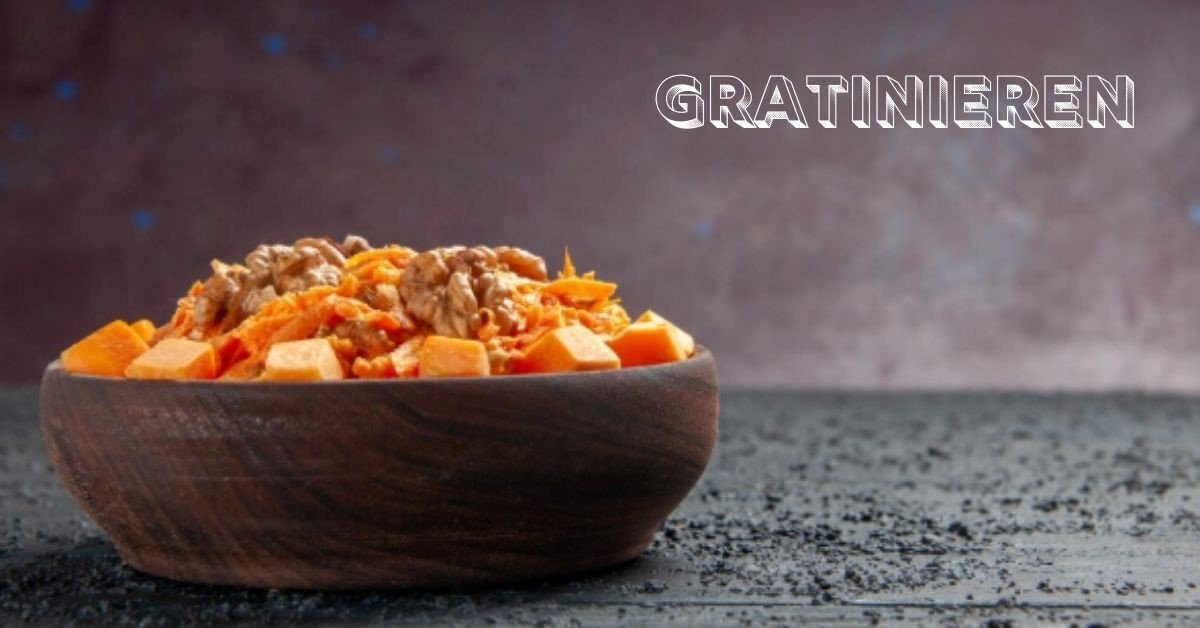
Cooking often comes down to small techniques that make a big difference, and gratinieren is one of them. That irresistible golden crust on pasta, vegetables, or casseroles does more than look beautiful. It adds texture, depth, and a rich aroma that transforms simple ingredients into something memorable. If you have ever wondered why some oven dishes taste flat while others feel complete, the answer often lies in how they are finished under heat.
Understanding Gratinieren and Why It Matters
Gratinieren is a cooking technique that uses high top heat to create a browned, slightly crisp surface on food. It usually involves ingredients like cheese, breadcrumbs, butter, or cream that caramelize and form a crust. This finishing step may seem minor, but it changes both flavor and texture in a noticeable way. That contrast between creamy inside and crisp top is what makes dishes satisfying.
The real magic happens through browning reactions. When exposed to strong heat, proteins and sugars react and produce complex flavors. This is why a gratinated potato bake tastes deeper than a boiled one. The surface becomes nutty and savory, while the inside remains soft. It is not just about appearance. It is about unlocking flavor through controlled heat.
Understanding this technique matters because it teaches you control. Too little heat leaves a pale, soft topping. Too much heat burns it. Once you grasp how your oven behaves and how ingredients react, you gain confidence. You stop guessing and start finishing dishes with intention. That is when home cooking begins to feel professional.
Read More: Nexus AlienSync: Seamless AI & Device Integration Platform
Choosing the Right Ingredients for Gratinieren
The success of gratinieren often starts with the topping. Cheese is the most common choice, but not every cheese melts and browns the same way. Hard cheeses like Gruyere or Parmesan create a rich crust with strong flavor. Softer cheeses melt smoothly but may not brown as deeply. Knowing this helps you match the topping to the dish.
Breadcrumbs are another powerful option. Mixed with butter or olive oil, they create a lighter and crispier finish. This works especially well for vegetable casseroles or seafood. The crumbs absorb surface moisture and toast evenly. You get texture without overwhelming the main ingredients, which keeps the dish balanced.
Cream and sauces also play a role. A creamy base supports browning because fat conducts heat effectively. When the surface contains enough fat and protein, it colors more evenly. If your dish looks dry before it goes into the oven, chances are it will not brown properly. Moisture, fat, and heat must work together.
The Role of Heat and Oven Position
Heat control is at the heart of successful gratinieren. Most ovens have a broil or top heat setting designed for this purpose. This intense heat comes from above and directly targets the surface. It should be used for a short time at the end of cooking, not throughout the entire process. Timing is everything.
Positioning the dish correctly also makes a difference. Place it on the upper rack so the surface is closer to the heat source. If it sits too low, the crust forms slowly and unevenly. If it sits too high, it may burn before the inside warms through. Small adjustments in rack height can change the result completely.
It helps to stay nearby while the crust develops. Browning can go from perfect to burnt within a minute. Watching closely allows you to pull the dish at the ideal moment. That golden color signals flavor and texture. Learning to read that visual cue builds kitchen intuition over time.
Common Mistakes That Ruin the Crust
One common mistake is using too much topping. A thick layer of cheese may melt beautifully but fail to brown evenly. Instead of forming a crust, it can become oily and heavy. A moderate, even layer works better. It allows heat to penetrate and encourages consistent browning across the surface.
Another issue is excess moisture. If vegetables release too much water during baking, the surface becomes soggy. In that case, gratinieren will struggle to create a crust. Pre cooking watery ingredients or draining them properly helps avoid this problem. Dry surfaces brown more effectively than wet ones.
Impatience is also a factor. Some cooks increase the heat too aggressively to speed things up. This often results in a burnt top and undercooked interior. Gradual cooking followed by a short finishing blast of top heat is safer. Good crusts are built in stages, not rushed at the last minute.
Gratinieren with Different Types of Dishes
Pasta bakes are perhaps the most familiar example. After simmering in sauce, pasta is topped with cheese and finished under strong heat. The result is a crisp surface that contrasts with the tender noodles beneath. Without that final browning step, the dish would feel incomplete and one dimensional.
Vegetables benefit just as much from this technique. Cauliflower, zucchini, or potatoes become more appealing when finished with a browned topping. The slight crunch makes soft vegetables more interesting. It also adds flavor depth that plain steaming cannot achieve. This encourages even picky eaters to enjoy them.
Seafood and meat dishes can also be enhanced through gratinieren. A thin crust over fish or chicken locks in moisture while adding texture. The key is balance. The topping should highlight, not overpower, the main ingredient. When done correctly, the surface supports the natural flavor rather than hiding it.
Texture, Flavor, and the Science Behind It
Texture is one of the strongest sensory elements in cooking. Humans naturally enjoy contrast. A crispy top paired with a creamy base feels more satisfying than a uniform texture. Gratinieren introduces this contrast in a controlled way. That crackling surface invites you in before you even taste the dish.
Flavor development is closely tied to browning reactions. When cheese or breadcrumbs turn golden, new flavor compounds form. These compounds create nutty, savory notes that deepen the overall profile. This explains why a browned casserole smells richer than one that is simply heated through without finishing.
Understanding this science helps you adjust your technique. If the crust looks pale, it likely has not developed enough flavor. If it is dark brown or black, the flavors may turn bitter. A golden hue usually signals the sweet spot. Paying attention to color gives you valuable feedback while cooking.
Practical Tips from Real Kitchen Experience
From experience, preheating the oven fully makes a noticeable difference. When the dish enters a hot environment, browning begins immediately. If the oven is still warming, the topping may melt too slowly and release excess oil. Consistent heat supports even results and prevents patchy coloring.
Another helpful habit is lightly brushing the surface with fat before finishing. A thin layer of butter or olive oil encourages better browning. It also prevents dryness. This small step often turns an average crust into a beautiful one. The change is subtle but easy to see and taste.
Finally, allow the dish to rest briefly after gratinieren. Cutting into it immediately can disrupt the crust. A few minutes of cooling helps the surface firm up and the interior settle. This improves presentation and texture. Patience at the end is just as important as technique during cooking.
Conclusion
Gratinieren is more than a decorative finish. It is a technique that enhances flavor, texture, and visual appeal in one simple step. By understanding heat control, ingredient choice, and timing, you can consistently create that golden crust that makes dishes feel complete. It rewards attention and practice rather than expensive tools.
When you apply this method thoughtfully, everyday meals become more satisfying. A simple casserole or vegetable bake gains depth and character. The contrast between creamy and crisp adds pleasure to every bite. Mastering gratinieren gives you control over the final impression your dish leaves on the table.
In the end, great cooking often comes from small improvements done well. This finishing technique is one of those improvements. Once you learn to recognize the right color and texture, you will rely on it again and again. With practice, gratinieren becomes second nature and elevates your home cooking effortlessly.
Read More: Integrated Agency Services: How ProfileTree is Embracing AI to Transform Digital Marketing

Understanding AI Agent Architecture: From Automation to Autonomous Intelligence

How DMCA Ignored Hosting Help Adult Content Sites?

Other Alternatives to the Bigbunny Login Casino
Web UI Design Services, Custom Web App Development, or Local Product Design: Where to Start

Type-C to C vs Type A to Type C Cable: What’s the Difference?

How Executive Search Software Selects and Manages Senior Leadership Candidates

Data Science Course in Pune with Placement Support: From Classroom Training to Your First Job

Ethical Hacking Courses in Mumbai with Placement: Institutes, Duration, Fees & Jobs 2026

Best Micro Influencer Agency Singapore: Why Micro Beats Macro for Conversion

What Makes a Crypto Exchange Top-Rated? Understanding the Ranking Criteria
Web UI Design Services, Custom Web App Development, or Local Product Design: Where to Start
How Executive Search Software Selects and Manages Senior Leadership Candidates
Other Alternatives to the Bigbunny Login Casino
Type-C to C vs Type A to Type C Cable: What’s the Difference?
How DMCA Ignored Hosting Help Adult Content Sites?
Understanding AI Agent Architecture: From Automation to Autonomous Intelligence


 Tech2 years ago
How to Use a Temporary Number for WhatsApp
- Business3 years ago
Sepatuindonesia.com | Best Online Store in Indonesia
- Social Media2 years ago
The Best Methods to Download TikTok Videos Using SnapTik
- Technology2 years ago
Top High Paying Affiliate Programs
- Tech2 years ago
Understanding thejavasea.me Leaks Aio-TLP: A Comprehensive Guide
- FOOD2 years ago
How to Identify Pure Desi Ghee? Ultimate Guidelines for Purchasing Authentic Ghee Online

 Instagram4 years ago
Free Instagram Auto Follower Without Login
- Instagram4 years ago
Free Instagram Follower Without Login