
Blog
Fotbladet Care Guide: Comfort and Relief Tips

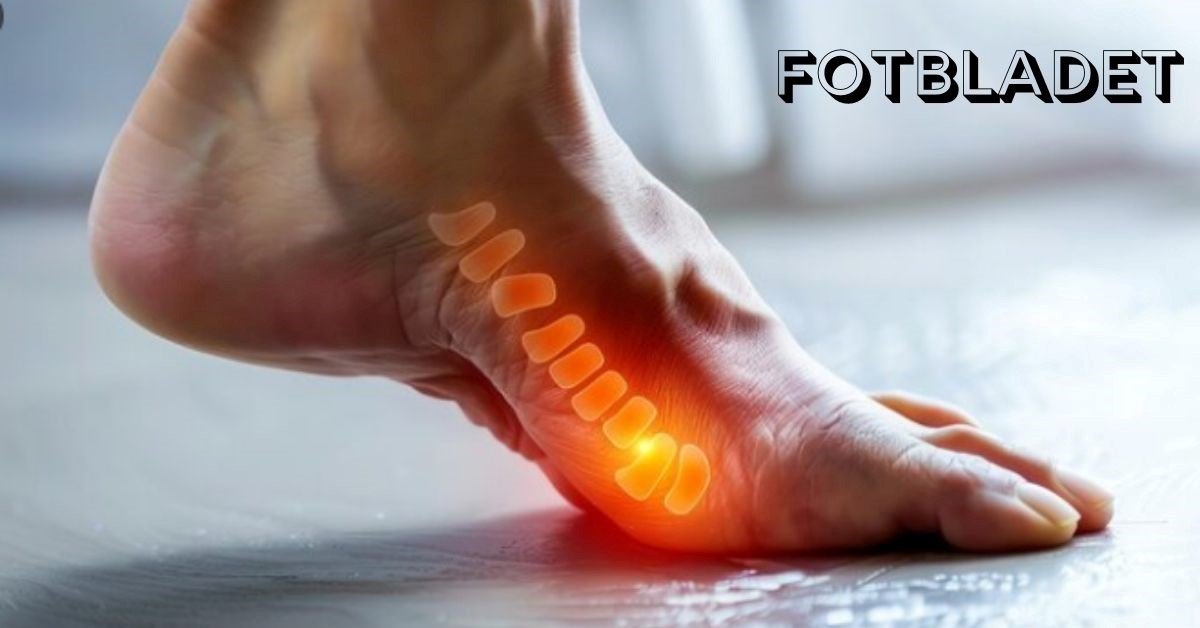
When foot discomfort first enters your life, it can change how you walk, exercise, and even relax at the end of the day. Fotbladet, a term often used for the sole of the foot, represents a vital part of how we move and feel. Understanding how to care for this area goes beyond medical jargon. With practical insights and everyday strategies rooted in real experience, you can learn how to prevent pain and stay active with confidence.
Why Foot Health Matters for Everyday Life
Feet carry us through life without much credit. Each step you take relies on the strength and flexibility of your soles. When the bottom of your foot becomes sore, it affects how you stand, walk, and even sleep. Early attention to foot health can prevent minor aches from becoming chronic woes that disrupt daily life.
Many people underestimate how much posture and gait influence overall well-being. Discomfort in the fotbladet can lead to knee, hip, or back pain. Understanding how these connections work helps you care for your entire body, not just one painful spot. Small adjustments often produce significant improvements.
Real-world experience shows that consistent attention to foot health boosts confidence and comfort. Activities such as walking, running, or standing for long periods become less draining. When you respect your feet and support them properly, you create a foundation for healthier movement patterns overall.
Read more: How to Create Stunning Happy Birthday Images Online with HitPaw FotorPea (Step-by-Step Guide)
Common Causes of Fotbladet Discomfort
One frequent source of discomfort is strain from overuse. Long walks, improper footwear, or sudden activity increases place extra stress on the sole. This strain can cause inflammation and tenderness, making even simple tasks feel harder. Understanding activity levels helps you balance movement with recovery.
Another common cause is poor support from shoes that lack cushioning or arch fit. Footwear that does not align with your natural foot shape forces muscles to work harder. Over time, this imbalance leads to fatigue and discomfort. Choosing supportive footwear matters because your feet bear your entire weight all day.
Some people also experience discomfort due to underlying conditions like plantar fasciitis or nerve irritation. These situations require targeted care and sometimes professional guidance. Recognizing when pain is beyond normal strain helps you seek help early rather than dismissing persistent symptoms.
The Role of Proper Footwear in Comfort
The right shoes act as a frontline defense against fotbladet pain. Supportive shoes with good arch alignment reduce strain on muscles and connective tissues. When your footwear fits well, each step feels more balanced and stable, which improves overall comfort. Even small footwear upgrades can make a big difference.
Walking on hard surfaces without cushioning increases shock to your feet. Footwear designed for impact absorption helps distribute forces more evenly. People who stand all day, like workers in retail or hospitality, often find relief after switching to shoes with better padding and support.
Footwear matters not just for active days but for everyday routines. Changing from unsupportive shoes to balanced, comfortable options can enhance your mood and energy levels. When your feet feel cared for, the ripple effect shows up in better posture and less fatigue throughout the body.
Simple Stretching Routines for Daily Relief
Tight muscles in the sole of the foot are often behind ongoing discomfort. Gentle stretching routines help improve flexibility and ease tension. Spending just a few minutes daily on targeted stretches can increase blood flow and reduce stiffness that accumulates over time.
One helpful practice involves warming up before long walks or exercise. Light movements loosen tissues and prepare your feet for impact. This preparation reduces the risk of sudden soreness that often appears after intense activity. Think of stretching as tuning your body before performance.
Consistency matters more than intensity. Short, regular stretching sessions promote lasting comfort. Whether you do them in the morning or before bed, these moments of care reduce cumulative strain. Over time, better flexibility supports smoother, pain-free movement during daily activities.
When to See a Professional for Foot Pain
Persistent pain that does not improve with rest and stretching may signal hidden issues. A professional assessment helps pinpoint specific conditions like tendon problems or nerve compression. Early evaluation often leads to faster recovery and prevents further complications from developing.
Healthcare providers can offer tailored strategies beyond general advice. This may include custom orthotics, specialised exercises, or therapy plans based on your unique symptoms. Personalized solutions often produce better results than generalized recommendations. Listening to your body and seeking help when needed ensures long-term comfort.
People sometimes delay professional care out of fear or uncertainty. However, addressing persistent discomfort early prevents worsening symptoms. Proactive care strengthens your chances of returning to activity with confidence and minimal interruption.
Everyday Habits That Support Foot Wellness
Habits like staying hydrated and maintaining a healthy weight influence foot comfort more than many realize. Hydration helps keep tissues supple, which makes them more resistant to strain. Meanwhile, weight management reduces load on the fotbladet, especially during long periods of standing or walking.
Mindful movement during daily activities also matters. Taking short breaks to rest your feet when standing for long periods eases cumulative strain. Micro-pauses help muscles recover and keep fatigue from building up. Simple awareness of how you move enhances comfort over time.
Another beneficial habit is massaging your feet after a long day. This promotes blood flow and offers a sense of relaxation that carries into rest at night. These small moments of self-care reinforce a healthy connection between your feet and overall well-being.
How Lifestyle Changes Influence Foot Comfort
Lifestyle choices, from activity levels to rest patterns, shape your foot health over time. People who incorporate regular movement and recovery balance feel less discomfort. Daily walking with mindful breaks builds endurance without overloading tissues.
Sleep quality also plays a role; poor rest reduces your body’s recovery efficiency. Overnight is when muscles and connective tissues rebuild. Ensuring restful sleep supports your feet as much as supportive shoes or stretching routines.
Your diet and general fitness weave into foot comfort as well. Nutrient-rich meals strengthen muscles and connective tissues, while cardiovascular fitness improves circulation. A holistic approach improves your overall movement experience and reduces strain over time.
Conclusion
Fotbladet health is an important aspect of everyday comfort and mobility that affects how actively you live. By understanding the causes of foot discomfort and adopting supportive habits like proper footwear, regular stretching, and attentive daily practices, you can reduce pain and improve how you move each day. When chronic discomfort arises, professional guidance makes a significant difference. Embracing foot care enriches your physical experience and supports a healthier, more comfortable life.
Read more: Dana Chang Obituary: Honoring a Legacy of Compassion and Dedication

Understanding AI Agent Architecture: From Automation to Autonomous Intelligence

How DMCA Ignored Hosting Help Adult Content Sites?

Other Alternatives to the Bigbunny Login Casino
Web UI Design Services, Custom Web App Development, or Local Product Design: Where to Start

Type-C to C vs Type A to Type C Cable: What’s the Difference?

How Executive Search Software Selects and Manages Senior Leadership Candidates

Data Science Course in Pune with Placement Support: From Classroom Training to Your First Job

Ethical Hacking Courses in Mumbai with Placement: Institutes, Duration, Fees & Jobs 2026

Best Micro Influencer Agency Singapore: Why Micro Beats Macro for Conversion

What Makes a Crypto Exchange Top-Rated? Understanding the Ranking Criteria
Web UI Design Services, Custom Web App Development, or Local Product Design: Where to Start
How Executive Search Software Selects and Manages Senior Leadership Candidates
Other Alternatives to the Bigbunny Login Casino
Type-C to C vs Type A to Type C Cable: What’s the Difference?
How DMCA Ignored Hosting Help Adult Content Sites?
Understanding AI Agent Architecture: From Automation to Autonomous Intelligence


 Tech2 years ago
How to Use a Temporary Number for WhatsApp
- Business3 years ago
Sepatuindonesia.com | Best Online Store in Indonesia
- Social Media2 years ago
The Best Methods to Download TikTok Videos Using SnapTik
- Technology2 years ago
Top High Paying Affiliate Programs
- Tech2 years ago
Understanding thejavasea.me Leaks Aio-TLP: A Comprehensive Guide
- FOOD2 years ago
How to Identify Pure Desi Ghee? Ultimate Guidelines for Purchasing Authentic Ghee Online

 Instagram4 years ago
Free Instagram Auto Follower Without Login
- Instagram4 years ago
Free Instagram Follower Without Login