Blog
Dualmedia Strategy: How It Transforms Modern Communication

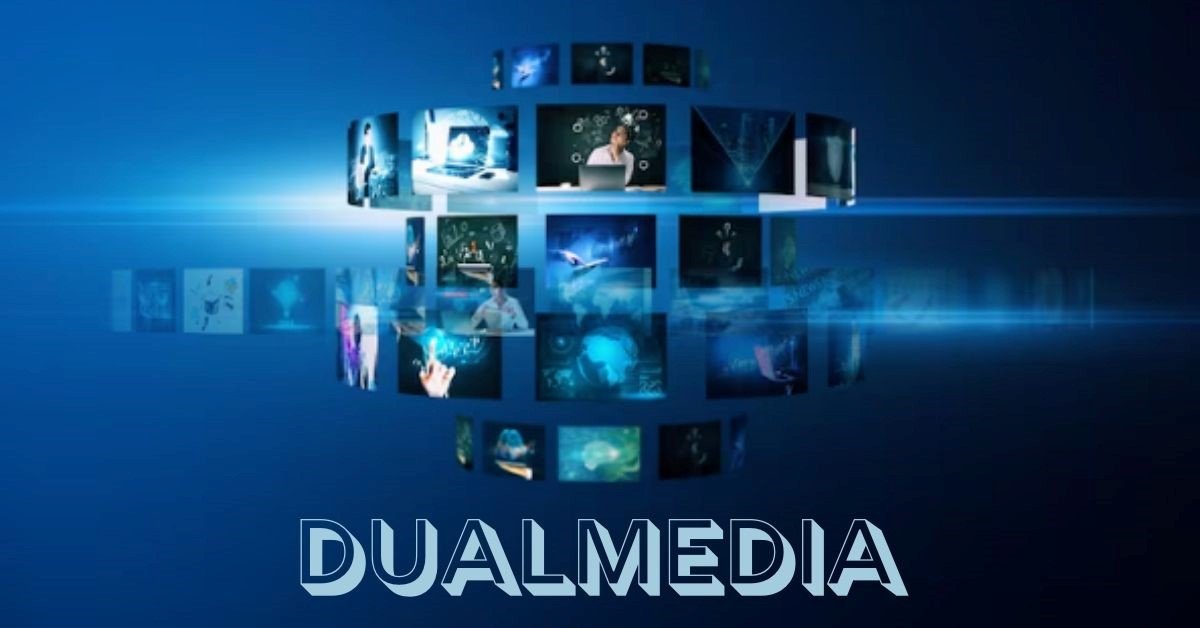
The way people consume information has changed dramatically over the past decade. Audiences no longer rely on just one platform to discover news, brands, or entertainment. Instead, they move fluidly between print, social media, television, podcasts, and websites. This shift has given rise to dualmedia, a communication approach that blends traditional and digital channels to create a more connected experience. When used thoughtfully, it helps organizations reach audiences where they already spend their time. Businesses, creators, and educators increasingly rely on this strategy because it reflects how people actually interact with media today.
Understanding Dualmedia in Modern Communication
Communication used to follow a simple path. A newspaper article reached readers through print, while a radio show lived solely on air. Today the lines between formats have blurred. Dualmedia reflects this shift by combining two or more communication channels so the same message travels across different environments while keeping its core meaning intact.
Think about how a major story spreads today. A news report might appear in a printed magazine, then be discussed in a podcast, and later summarized on social platforms. Each medium presents the information differently, yet they reinforce the same message. This layered exposure helps audiences remember and trust the information because they encounter it in familiar spaces.
The real strength of this approach lies in adaptability. Different audiences prefer different formats. Some people enjoy reading long articles while others watch short videos or listen during their commute. By combining formats rather than choosing one, communicators meet audiences halfway and make information easier to discover and understand.
Read More: Understanding Differencio: The Power of Individual Distinction
The Evolution of Media Consumption
Media consumption habits have shifted steadily as technology changed everyday life. A decade ago, many households relied primarily on television and newspapers. Today smartphones sit at the center of daily routines. People check news while commuting, scroll through updates during lunch breaks, and watch videos before going to sleep.
These habits mean audiences rarely stay inside one communication channel. Someone might see a headline online, then look for deeper context in a magazine or documentary. The movement between platforms creates a fragmented environment where a single message must travel across several spaces to remain visible.
This environment is exactly where integrated communication strategies thrive. When a message appears consistently across multiple formats, audiences feel a sense of continuity. Instead of encountering isolated pieces of information, they experience a connected narrative that builds understanding over time.
Why Dualmedia Matters for Businesses
Companies compete in an attention economy where consumers encounter thousands of messages every day. Relying on one platform rarely captures enough attention to stand out. Dualmedia helps businesses extend their presence beyond a single channel and reach potential customers through multiple entry points.
A simple example illustrates the impact. A brand might publish a printed guide while also sharing related stories on social platforms. Readers who discover the print version may later recognize the brand online, while social users may become curious enough to explore the longer content. Each format supports the other instead of competing for attention.
This interconnected presence also builds credibility. When audiences encounter consistent information across platforms, it signals professionalism and reliability. People naturally trust brands that appear organized and visible in several places because it suggests long term commitment rather than short term marketing noise.
Building Trust Through Multi Channel Storytelling
Trust grows when audiences feel they understand the story behind a message. Multi channel storytelling plays a powerful role here because it allows different layers of a narrative to unfold across various formats. Short updates might introduce an idea while longer pieces explore it in greater depth.
A documentary style video can humanize a brand, while a written article explains the details that viewers might miss. Audio conversations allow experts to discuss their experiences in a relaxed tone. When these formats work together, audiences gain a fuller picture rather than fragmented bits of information.
This layered storytelling approach encourages emotional connection. People are more likely to trust organizations that communicate openly and consistently. When a narrative appears across several platforms, it feels authentic because audiences can see the same values reflected in different contexts.
Dualmedia and Audience Engagement
One of the biggest challenges in communication is keeping audiences interested long enough to absorb the message. Dualmedia improves engagement by presenting information in formats that match different moments of a person’s day. Reading works well in quiet settings, while audio or video suits busy environments.
Imagine someone learning about a topic through a quick social clip. Later that evening they might read a detailed article expanding on the same idea. The initial exposure sparks curiosity, and the longer format satisfies that curiosity. Each stage deepens engagement rather than replacing the previous interaction.
Engagement also grows through familiarity. When people encounter similar messages across platforms, they begin to recognize patterns and themes. This recognition builds comfort and encourages further interaction, making audiences more willing to explore additional content connected to the same message.
Practical Examples Across Industries
Many industries already use blended communication without always naming it. Education offers a clear example. A university may publish printed research summaries while also sharing lectures through video platforms and podcasts. Students and researchers can engage with the material in whichever format suits their learning style.
Healthcare communication has followed a similar path. Hospitals distribute informational brochures while also producing online guides and video explainers. Patients often read basic instructions first, then watch demonstrations that make medical advice easier to understand in everyday situations.
Even local communities benefit from this approach. A city council might announce an event in a newspaper while sharing reminders through social channels. Residents who miss one platform still receive the message elsewhere, ensuring the information spreads more evenly throughout the community.
Challenges When Using Dualmedia
Despite its advantages, integrating communication channels requires careful planning. Each medium has its own style, pace, and audience expectations. Simply copying the same content everywhere rarely works because readers, viewers, and listeners interact with information differently.
A thoughtful strategy adapts the message while preserving its core idea. A long written article may become a short video summary, while a podcast conversation can highlight the human side of the same topic. When formats complement each other instead of repeating identical content, audiences stay interested.
Another challenge involves maintaining consistency. When several teams manage different channels, the message can easily drift in tone or detail. Successful communication requires coordination so that each platform reinforces the same values and narrative rather than creating confusion.
The Future of Dualmedia Communication
Communication continues to evolve as new technologies appear. Virtual experiences, interactive storytelling, and immersive media are gradually expanding the ways people interact with information. These developments will likely strengthen the importance of strategies that combine multiple formats.
Younger audiences already expect fluid movement between platforms. They might start with a quick video, explore a deeper article, and then discuss the topic in an online community. The communication systems that succeed in the future will be those that respect this natural movement.
Organizations that adapt early gain an advantage. By experimenting with connected storytelling today, they learn how different formats support each other. This knowledge makes it easier to adjust as new technologies appear, ensuring that messages remain accessible regardless of how audiences prefer to engage.
Conclusion
Modern audiences no longer live inside a single media environment. They move constantly between devices, platforms, and formats while searching for information that feels relevant and trustworthy. Dualmedia responds to this reality by linking traditional and digital communication into a unified strategy that mirrors real human behavior.
When messages travel through several channels, they gain visibility, context, and credibility. Businesses, educators, and organizations can build stronger relationships with audiences because people encounter the same ideas in multiple places. Over time this repeated exposure strengthens recognition and understanding.
The most effective communicators recognize that no single platform tells the entire story. By embracing dualmedia, they create layered experiences that match how people actually consume information. Instead of chasing attention in one crowded space, they build a connected presence that allows their message to travel naturally across the modern media landscape.
Read More: How to Use Dual WhatsApp on One Phone with GB WhatsApp (No Root Needed)

Understanding AI Agent Architecture: From Automation to Autonomous Intelligence

How DMCA Ignored Hosting Help Adult Content Sites?

Other Alternatives to the Bigbunny Login Casino
Web UI Design Services, Custom Web App Development, or Local Product Design: Where to Start

Type-C to C vs Type A to Type C Cable: What’s the Difference?

How Executive Search Software Selects and Manages Senior Leadership Candidates

Data Science Course in Pune with Placement Support: From Classroom Training to Your First Job

Ethical Hacking Courses in Mumbai with Placement: Institutes, Duration, Fees & Jobs 2026

Best Micro Influencer Agency Singapore: Why Micro Beats Macro for Conversion

What Makes a Crypto Exchange Top-Rated? Understanding the Ranking Criteria
Web UI Design Services, Custom Web App Development, or Local Product Design: Where to Start
How Executive Search Software Selects and Manages Senior Leadership Candidates
Other Alternatives to the Bigbunny Login Casino
Type-C to C vs Type A to Type C Cable: What’s the Difference?
How DMCA Ignored Hosting Help Adult Content Sites?
Understanding AI Agent Architecture: From Automation to Autonomous Intelligence


 Tech2 years ago
How to Use a Temporary Number for WhatsApp
- Business3 years ago
Sepatuindonesia.com | Best Online Store in Indonesia
- Social Media2 years ago
The Best Methods to Download TikTok Videos Using SnapTik
- Technology2 years ago
Top High Paying Affiliate Programs
- Tech2 years ago
Understanding thejavasea.me Leaks Aio-TLP: A Comprehensive Guide
- FOOD2 years ago
How to Identify Pure Desi Ghee? Ultimate Guidelines for Purchasing Authentic Ghee Online

 Instagram4 years ago
Free Instagram Auto Follower Without Login
- Instagram4 years ago
Free Instagram Follower Without Login