
Blog
Classroom Center Strategies for Smarter Learning Success

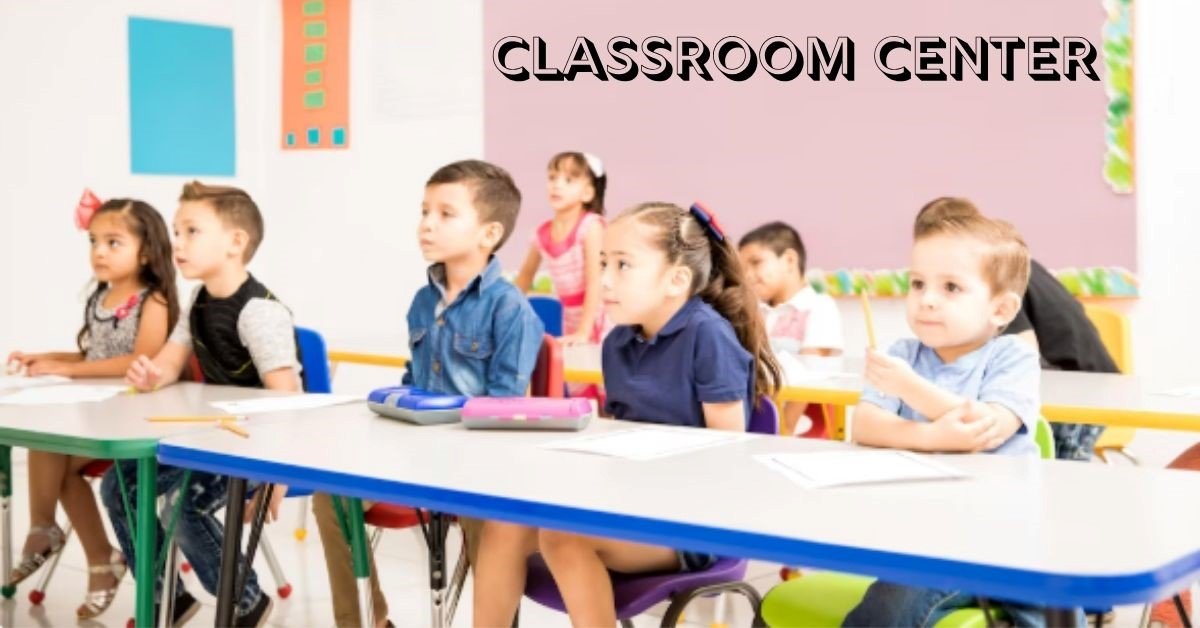
Education is evolving rapidly, and modern learners need environments that inspire focus, creativity, and collaboration. A well-designed classroom center plays a critical role in shaping how students absorb knowledge and interact with content. Whether in traditional schools, homeschooling setups, or digital learning spaces, structured learning zones help students stay engaged and organized. By blending thoughtful design with practical teaching strategies, educators can transform ordinary spaces into powerful learning hubs. This article explores how to build, manage, and optimize learning environments that truly support student success.
The Concept and Importance of a Classroom Center
A classroom center is more than just a physical space—it represents an organized approach to learning where different areas are designated for specific activities. These may include reading corners, creative zones, or interactive learning stations that encourage students to explore topics independently or in groups. The concept focuses on breaking away from one-size-fits-all teaching methods and embracing diversity in learning styles.
By creating structured zones within a classroom, educators make learning more accessible and engaging. Students benefit from a clear understanding of where and how to complete certain tasks, reducing confusion and increasing productivity. This approach also fosters independence, allowing learners to take ownership of their educational journey while developing critical thinking and problem-solving skills in a supportive environment.
Read More: How Can Digital Workflows Enhance Outsourced Call Center Results?
Designing an Effective Classroom Center Layout
The layout of a learning space significantly impacts student behavior and engagement. A well-planned classroom center should balance accessibility, comfort, and functionality. Teachers must consider factors such as student movement, visibility, and noise levels when arranging desks and learning stations.
Flexible seating options and clearly defined areas can enhance both focus and collaboration. For example, quiet zones should be placed away from high-activity areas to minimize distractions. Incorporating visual cues like labels, colors, and signs helps students navigate the space efficiently. Ultimately, a thoughtful layout encourages smoother transitions between activities and maximizes the overall effectiveness of the learning environment.
Types of Learning Zones Within a Classroom
Different types of learning zones cater to various educational needs and teaching styles. Common areas include reading corners, writing stations, STEM zones, and art centers. Each zone is designed to support specific skills and encourage hands-on learning experiences that go beyond traditional lectures.
By incorporating diverse zones, educators address multiple intelligences and learning preferences. For instance, a creative art area allows students to express ideas visually, while a science station promotes experimentation and inquiry. These varied environments make lessons more dynamic and help students engage with content in ways that resonate with their individual strengths and interests.
Benefits of Classroom Centers for Student Development
Structured learning environments offer numerous benefits for students, both academically and socially. A classroom center promotes independence by encouraging learners to manage their own tasks and responsibilities within designated spaces. This autonomy builds confidence and prepares students for real-world challenges.
Additionally, these environments enhance collaboration and communication. Group-based zones encourage peer interaction, helping students develop teamwork and interpersonal skills. The variety of activities also keeps learners motivated, reducing boredom and increasing retention. Over time, students become more adaptable, self-directed, and capable of handling diverse learning situations effectively.
Role of Teachers in Managing Classroom Centers
Teachers play a vital role in ensuring that learning zones function effectively. Their responsibilities include planning activities, setting expectations, and guiding students as they navigate different areas. Clear instructions and consistent routines are essential for maintaining order and maximizing productivity.
Monitoring student progress within each zone allows educators to identify strengths and areas for improvement. Teachers can provide personalized support while encouraging independent learning. By actively engaging with students and adjusting strategies as needed, educators ensure that every learner benefits from the structured environment and achieves their full potential.
Integrating Technology into Modern Learning Spaces
Technology has become an essential component of contemporary education, and its integration into classroom centers can significantly enhance learning outcomes. Digital tools such as tablets, interactive boards, and educational software provide students with access to a wealth of resources and interactive content.
Blending technology with traditional learning methods creates a more dynamic and engaging experience. For example, a digital station can allow students to research topics, watch educational videos, or complete interactive assignments. When used effectively, technology supports personalized learning, enabling students to progress at their own pace while developing essential digital literacy skills.
Challenges and Solutions in Classroom Center Implementation
While the benefits are clear, implementing structured learning zones can present challenges. Limited space, budget constraints, and varying student needs may make it difficult to design an ideal setup. Additionally, managing multiple activities simultaneously requires careful planning and organization.
To overcome these challenges, educators can adopt flexible solutions such as rotating stations or multi-purpose areas. Using affordable materials and creative layouts can also help maximize available resources. Clear rules and routines are essential for maintaining order, while regular feedback ensures continuous improvement. With the right strategies, even small classrooms can successfully incorporate effective learning zones.
Conclusion: Building a Future-Ready Classroom Center
A well-designed classroom center is a powerful tool for enhancing education in today’s dynamic learning landscape. By creating structured, engaging, and adaptable environments, educators can support diverse learning styles and foster student growth. These spaces encourage independence, collaboration, and creativity, preparing learners for future challenges.
As education continues to evolve, the importance of thoughtful learning environments will only grow. Investing time and effort into designing and managing effective learning zones ensures that students receive a high-quality, engaging educational experience. Ultimately, a strong classroom center lays the foundation for lifelong learning and academic success.
Read More: How to Identify the Best Locations for Call Center Outsourcing in 2024

Understanding AI Agent Architecture: From Automation to Autonomous Intelligence

How DMCA Ignored Hosting Help Adult Content Sites?

Other Alternatives to the Bigbunny Login Casino
Web UI Design Services, Custom Web App Development, or Local Product Design: Where to Start

Type-C to C vs Type A to Type C Cable: What’s the Difference?

How Executive Search Software Selects and Manages Senior Leadership Candidates

Data Science Course in Pune with Placement Support: From Classroom Training to Your First Job

Ethical Hacking Courses in Mumbai with Placement: Institutes, Duration, Fees & Jobs 2026

Best Micro Influencer Agency Singapore: Why Micro Beats Macro for Conversion

What Makes a Crypto Exchange Top-Rated? Understanding the Ranking Criteria
Web UI Design Services, Custom Web App Development, or Local Product Design: Where to Start
How Executive Search Software Selects and Manages Senior Leadership Candidates
Other Alternatives to the Bigbunny Login Casino
Type-C to C vs Type A to Type C Cable: What’s the Difference?
How DMCA Ignored Hosting Help Adult Content Sites?
Understanding AI Agent Architecture: From Automation to Autonomous Intelligence


 Tech2 years ago
How to Use a Temporary Number for WhatsApp
- Business3 years ago
Sepatuindonesia.com | Best Online Store in Indonesia
- Social Media2 years ago
The Best Methods to Download TikTok Videos Using SnapTik
- Technology2 years ago
Top High Paying Affiliate Programs
- Tech2 years ago
Understanding thejavasea.me Leaks Aio-TLP: A Comprehensive Guide
- FOOD2 years ago
How to Identify Pure Desi Ghee? Ultimate Guidelines for Purchasing Authentic Ghee Online

 Instagram4 years ago
Free Instagram Auto Follower Without Login
- Instagram4 years ago
Free Instagram Follower Without Login