
Business
Ann Fleischer: Life, Legacy, and Her Role in History

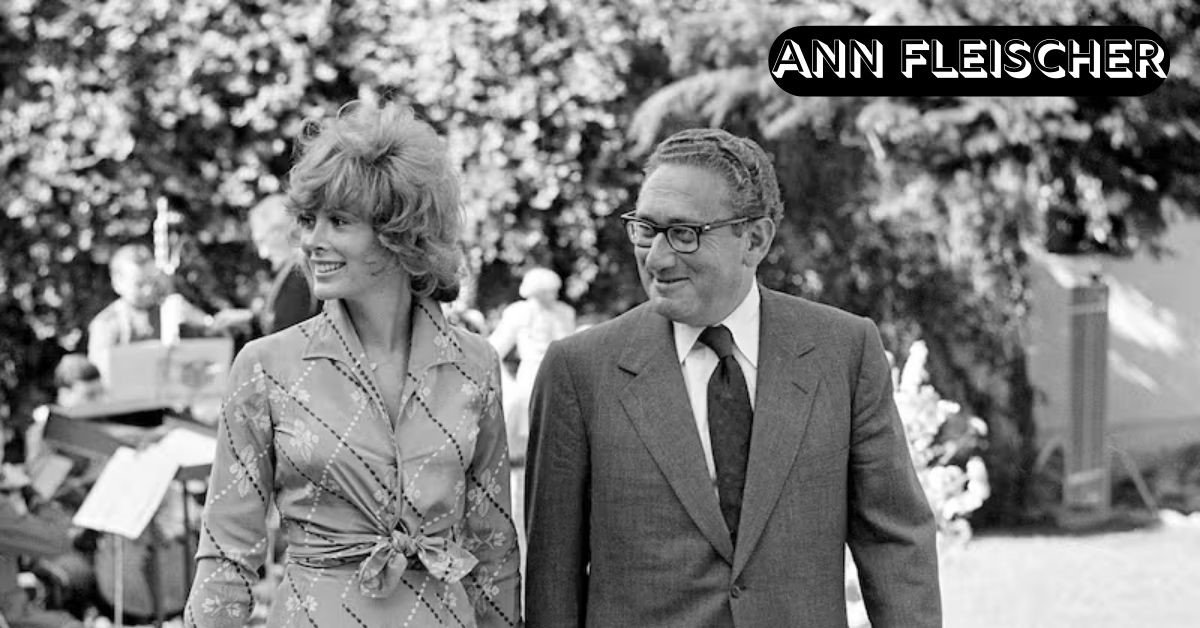
Few figures in history are as quietly influential as Ann Fleischer, known primarily as the first wife of the renowned U.S. diplomat Henry Kissinger. While her name does not dominate headlines, her life provides a fascinating glimpse into the experiences of Jewish emigrants from Germany, the challenges of mid-20th-century family life, and the role of supportive partners in shaping significant historical figures. Ann Fleischer’s story is both personal and historically resonant, illustrating the intersection of private life with global history. Understanding her journey provides context to the formative years of Kissinger’s life and the resilience of families navigating new worlds.
Early Life and Emigration
Ann Fleischer was born Anneliese Fleischer on November 6, 1925, in Fürth, Bavaria, Germany, a period of growing uncertainty for Jewish families in Europe. Her early life was marked by the rising anti-Semitism of Nazi Germany, a backdrop that forced many families to make life-altering decisions. Fleischer’s family emigrated to the United States before the outbreak of World War II, seeking safety, freedom, and opportunities unavailable in Europe. This migration profoundly influenced her worldview, instilling resilience, adaptability, and a deep sense of cultural identity that she carried throughout her life.
Upon arriving in the United States, Ann faced the challenge of integrating into a new society while preserving her heritage. She pursued education and built social connections, navigating the complexities of a culture vastly different from her birthplace. These formative experiences contributed to her poise and strength, traits that would later help her support her family and her husband during a crucial stage of his professional ascent. The emigration period, while fraught with uncertainty, set the stage for the life she would lead in America.
Read More: The Power of Reviewing Your Insurance Annually
Marriage to Henry Kissinger
Ann Fleischer married Henry Kissinger in 1949, a union that represented both personal commitment and partnership during a critical time in Kissinger’s life. At the time, Kissinger was emerging as a scholar in international relations, deeply involved in his doctoral studies and early career endeavors. Their marriage was a blend of intellectual companionship, familial collaboration, and emotional support, laying a foundation that allowed Kissinger to focus on his burgeoning academic and diplomatic ambitions.
During this marriage, Ann managed the household and raised their children while facilitating an environment conducive to Kissinger’s work. This period highlighted her ability to balance private responsibilities with the demands of supporting a partner whose career would later influence global politics. Though largely behind the scenes, her contributions were critical, embodying the often-overlooked role of spouses in the lives of prominent figures. This partnership exemplified the quiet but essential support that helps individuals achieve extraordinary public accomplishments.
Family Life and Children
Ann Fleischer and Henry Kissinger had two children together: Elizabeth and David Kissinger. Raising children in a household deeply engaged with academic and political discourse posed unique challenges and opportunities. Ann’s approach to parenting blended discipline with cultural enrichment, ensuring that her children grew up aware of their heritage while adapting to American society. Her guidance shaped their values, resilience, and understanding of responsibility.
The family environment was also influenced by the social and political currents of post-war America. Balancing the domestic sphere with the intellectual demands of her husband’s career required careful organization, patience, and empathy. Ann’s role as a mother was intertwined with her broader identity as a partner navigating historical change, reflecting the nuanced dynamics of families connected to high-profile figures during pivotal historical moments.
Personal Achievements and Contributions
While much of Ann Fleischer’s life has been viewed through the lens of her marriage, her personal achievements were significant. She exemplified adaptability, cultural literacy, and the ability to thrive in a new country, all while maintaining a strong sense of identity. Her contributions extended beyond the home, influencing social circles, community engagements, and the development of her children’s intellectual and emotional foundations.
Ann’s personal legacy includes resilience in the face of upheaval, the skillful management of complex family dynamics, and the capacity to support others while maintaining her own dignity. Her life story provides insight into the experiences of immigrant women in the mid-20th century, reflecting broader themes of migration, adaptation, and the role of women in shaping the social and familial structures that underpin public achievements.
Separation and Later Life
The marriage between Ann Fleischer and Henry Kissinger ended in divorce in 1964, shortly before Kissinger rose to prominence as a key figure in U.S. foreign policy. Following the separation, Ann chose to maintain privacy, focusing on her personal well-being and the upbringing of her children. This period required her to redefine her identity independently of her former spouse’s public persona, balancing family responsibilities with her own aspirations and social life.
In her later years, Ann Fleischer remained largely out of the public eye, demonstrating a commitment to privacy and stability. She lived a life shaped by her values and experiences, continuing to support her children and remain engaged in her community in meaningful ways. Her ability to maintain personal dignity and stability in the aftermath of divorce illustrates her resilience and enduring strength.
Historical Significance and Legacy
Ann Fleischer’s historical significance lies not in public office or political leadership but in the influence she had on the formative years of a globally recognized diplomat. By providing stability, support, and insight, she helped create conditions that allowed Henry Kissinger to pursue his career with focus and determination. Her life highlights the often-overlooked contributions of spouses to historical developments, emphasizing the human dimensions behind public achievements.
Moreover, her story reflects broader historical themes, including the experiences of Jewish immigrants, the challenges of mid-century migration, and the roles of women in shaping both family and society. Ann Fleischer’s legacy is multifaceted, encompassing cultural adaptation, personal resilience, and the quiet but meaningful impact she had on history through her family.
Challenges and Societal Context
Navigating the pressures of being connected to a future world leader was not without its challenges. Ann Fleischer lived during a time when social expectations of women, particularly in immigrant communities, emphasized domestic roles while limiting opportunities for personal development outside the home. Balancing these expectations with the demands of raising children and supporting a prominent spouse required skill, intelligence, and emotional resilience.
Additionally, the experience of emigration and assimilation in a new country added layers of complexity. Ann had to adapt to a new culture, navigate social hierarchies, and ensure her family maintained both their heritage and their integration into American society. These challenges underscore the strength and adaptability that characterized her life and highlight her broader societal relevance.
Conclusion
Ann Fleischer’s life is a testament to resilience, adaptability, and the quiet power of support behind historical achievements. Known primarily as the first wife of Henry Kissinger, she navigated emigration, family responsibilities, and societal expectations with grace and strength. Her story enriches our understanding of the human dimensions that underpin public figures and global history, reminding us that personal contributions often shape broader historical outcomes.
By reflecting on her experiences, we gain insight into the challenges and triumphs of immigrant women, the intricacies of family life during significant historical periods, and the importance of personal resilience. Ann Fleischer may have lived largely outside the public spotlight, but her legacy endures through her family, her influence, and the historical context she helped shape.
Read More: Tamilrockers Kannada: Why It Trends Among Movie Fans

Understanding AI Agent Architecture: From Automation to Autonomous Intelligence

How DMCA Ignored Hosting Help Adult Content Sites?

Other Alternatives to the Bigbunny Login Casino
Web UI Design Services, Custom Web App Development, or Local Product Design: Where to Start

Type-C to C vs Type A to Type C Cable: What’s the Difference?

How Executive Search Software Selects and Manages Senior Leadership Candidates

Data Science Course in Pune with Placement Support: From Classroom Training to Your First Job

Ethical Hacking Courses in Mumbai with Placement: Institutes, Duration, Fees & Jobs 2026

Best Micro Influencer Agency Singapore: Why Micro Beats Macro for Conversion

What Makes a Crypto Exchange Top-Rated? Understanding the Ranking Criteria
Web UI Design Services, Custom Web App Development, or Local Product Design: Where to Start
How Executive Search Software Selects and Manages Senior Leadership Candidates
Other Alternatives to the Bigbunny Login Casino
Type-C to C vs Type A to Type C Cable: What’s the Difference?
How DMCA Ignored Hosting Help Adult Content Sites?
Understanding AI Agent Architecture: From Automation to Autonomous Intelligence


 Tech2 years ago
How to Use a Temporary Number for WhatsApp
- Business3 years ago
Sepatuindonesia.com | Best Online Store in Indonesia
- Social Media2 years ago
The Best Methods to Download TikTok Videos Using SnapTik
- Technology2 years ago
Top High Paying Affiliate Programs
- Tech2 years ago
Understanding thejavasea.me Leaks Aio-TLP: A Comprehensive Guide
- FOOD2 years ago
How to Identify Pure Desi Ghee? Ultimate Guidelines for Purchasing Authentic Ghee Online

 Instagram4 years ago
Free Instagram Auto Follower Without Login
- Instagram4 years ago
Free Instagram Follower Without Login