
Blog
Advent Calendar Magic: Countdown Joy and Traditions

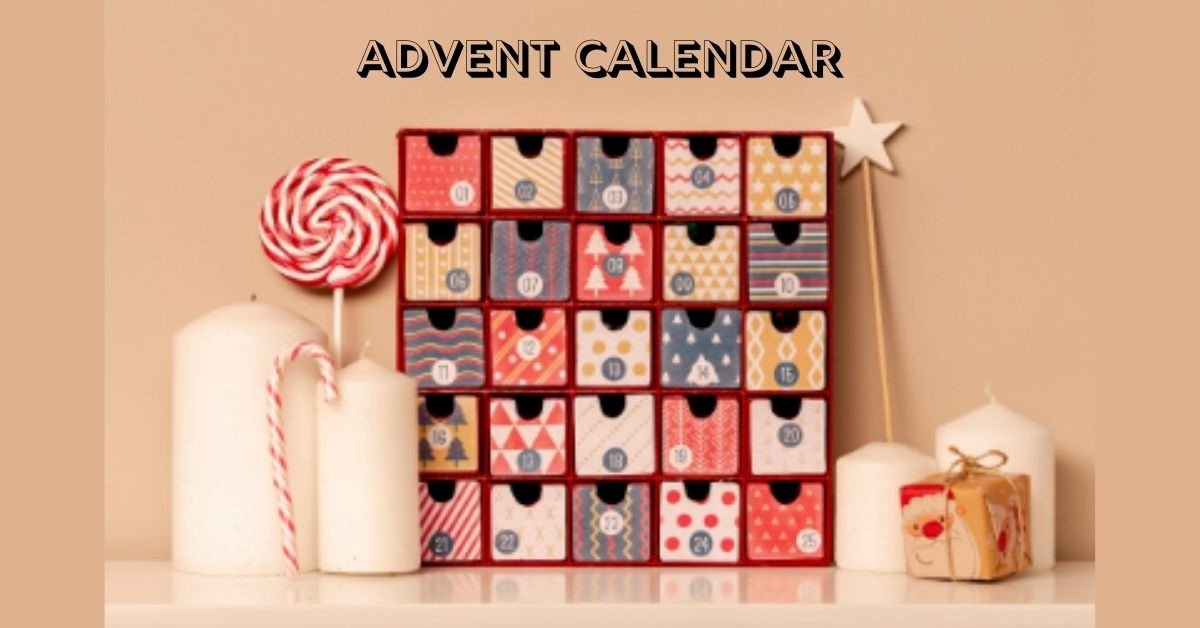
There’s a certain kind of excitement that builds as the holiday season approaches, and nothing captures that anticipation quite like an advent calendar. Whether you remember opening tiny doors as a child or are discovering them for the first time, these charming creations bring a daily dose of joy leading up to Christmas. Each day holds a small surprise, turning the countdown into an experience rather than just a waiting period. Over the years, advent calendars have evolved from simple paper designs into creative, luxurious, and even personalized versions. But what makes them so beloved across generations, and why do they continue to grow in popularity? Let’s explore the story, meaning, and modern appeal behind this festive tradition.
The Origins and History of Advent Calendar Traditions
The tradition of the advent calendar dates back to 19th-century Germany, where families sought meaningful ways to mark the days leading up to Christmas. In its earliest form, people would use simple methods like drawing chalk marks on doors or lighting candles each day. These practices were rooted in the Christian observance of Advent, a period of reflection and preparation for the celebration of Christmas.
As time went on, the concept evolved into printed calendars with small doors or windows that could be opened daily. Each window often revealed a religious image, a verse, or a festive illustration. This transformation marked the beginning of the modern advent calendar as we know it today. What started as a spiritual practice gradually became a cultural tradition, blending religious significance with a sense of excitement and joy that appealed to people of all ages.
Read more: Chichen Itza: Exploring the Ancient Wonder of the Maya World
How Advent Calendars Became a Global Phenomenon
While the advent calendar began in Europe, it didn’t take long for the idea to spread across the world. As global trade and cultural exchange increased, so did the popularity of this festive tradition. By the late 20th century, advent calendars had become a staple in many households, especially in Western countries, where Christmas celebrations are widely observed.
The global appeal lies in its simplicity and universal charm. The idea of receiving a small daily surprise resonates with people regardless of age or background. It taps into the human love for anticipation and reward, making the holiday season feel more interactive and engaging. Today, advent calendars are not just limited to traditional themes—they have expanded into various forms, catering to different interests and lifestyles, which has only increased their widespread popularity.
Different Types of Advent Calendar Designs
One of the most exciting aspects of the advent calendar is the sheer variety of designs available today. Traditional versions often feature paper or cardboard structures with numbered doors, each hiding a picture or a small chocolate treat. These classic designs continue to be popular, especially among families who enjoy maintaining a sense of nostalgia.
Modern advent calendars, however, have taken creativity to a whole new level. You can now find calendars filled with beauty products, toys, gourmet foods, and even luxury items. Some are designed as reusable wooden structures, while others come in elaborate packaging that feels like a gift in itself. This diversity allows individuals to choose a calendar that reflects their personality and interests, making the experience even more enjoyable and personalized.
Why Advent Calendars Create Excitement and Joy
The magic of an advent calendar lies in its ability to turn the passage of time into something fun and meaningful. Instead of simply waiting for Christmas, you get to experience a series of small, delightful moments along the way. Each day brings a new surprise, creating a sense of anticipation that builds as the holiday approaches.
This daily ritual can be especially meaningful for families, as it provides an opportunity to share moments of joy and connection. Opening a door or unwrapping a treat becomes a shared experience, fostering a sense of togetherness. It’s like unwrapping a tiny gift every day, reminding you that the journey toward a celebration can be just as enjoyable as the celebration itself.
Creative Ways to Use an Advent Calendar
Using an advent calendar doesn’t have to follow a strict tradition—you can get as creative as you like. Many people now customize their calendars to include personalized gifts, notes, or activities. For example, instead of chocolates, you might include small handwritten messages, mini challenges, or thoughtful gestures that make each day special.
Some families use advent calendars as a way to encourage kindness or gratitude, adding tasks like helping someone, sharing something, or reflecting on positive experiences. Others incorporate themed calendars that align with hobbies, such as cooking, fitness, or self-care. This flexibility allows the tradition to evolve and remain relevant, ensuring that it continues to bring joy in new and meaningful ways.
Advent Calendar Ideas for Adults and Kids
The appeal of an advent calendar is not limited to children—adults have embraced the trend just as enthusiastically. For kids, calendars often include toys, candies, or fun surprises that keep them engaged throughout the season. These simple pleasures create lasting memories and add an element of magic to the holidays.
For adults, the options are equally exciting but often more sophisticated. Calendars filled with skincare products, coffee, tea, or even gourmet treats have become increasingly popular. Some people even create DIY versions tailored to their preferences, making the experience more personal and meaningful. This versatility ensures that everyone, regardless of age, can enjoy the excitement and charm of an advent calendar.
The Role of Advent Calendars in Modern Holiday Culture
In today’s fast-paced world, the advent calendar offers a refreshing reminder to slow down and appreciate the moment. It encourages mindfulness by focusing on small daily joys rather than rushing toward the end goal. This makes it a valuable addition to modern holiday culture, where the emphasis is often on big events rather than the journey leading up to them.
Social media has also played a role in popularizing advent calendars, with people sharing their daily reveals and creative ideas online. This has inspired others to explore new ways of using and designing their own calendars, further expanding the tradition. As a result, the advent calendar has become more than just a countdown—it’s a shared cultural experience that continues to evolve with each passing year.
Conclusion
The enduring charm of the advent calendar lies in its ability to combine tradition, creativity, and joy into a single experience. From its humble beginnings in Germany to its global popularity today, it has remained a beloved part of the holiday season. Its ability to adapt to different tastes and lifestyles ensures that it continues to resonate with people of all ages.
By turning the countdown to Christmas into a daily celebration, the advent calendar reminds us that happiness often comes in small, unexpected moments. Whether you prefer a classic design or a modern twist, incorporating this tradition into your holiday routine can make the season feel more special and memorable. It’s not just about counting days—it’s about creating meaningful experiences that last long after the holidays are over.
Read more: Darknsija: Exploring the Mystery Behind the Rising Digital Term

Understanding AI Agent Architecture: From Automation to Autonomous Intelligence

How DMCA Ignored Hosting Help Adult Content Sites?

Other Alternatives to the Bigbunny Login Casino
Web UI Design Services, Custom Web App Development, or Local Product Design: Where to Start

Type-C to C vs Type A to Type C Cable: What’s the Difference?

How Executive Search Software Selects and Manages Senior Leadership Candidates

Data Science Course in Pune with Placement Support: From Classroom Training to Your First Job

Ethical Hacking Courses in Mumbai with Placement: Institutes, Duration, Fees & Jobs 2026

Best Micro Influencer Agency Singapore: Why Micro Beats Macro for Conversion

What Makes a Crypto Exchange Top-Rated? Understanding the Ranking Criteria
Web UI Design Services, Custom Web App Development, or Local Product Design: Where to Start
How Executive Search Software Selects and Manages Senior Leadership Candidates
Other Alternatives to the Bigbunny Login Casino
Type-C to C vs Type A to Type C Cable: What’s the Difference?
How DMCA Ignored Hosting Help Adult Content Sites?
Understanding AI Agent Architecture: From Automation to Autonomous Intelligence


 Tech2 years ago
How to Use a Temporary Number for WhatsApp
- Business3 years ago
Sepatuindonesia.com | Best Online Store in Indonesia
- Social Media2 years ago
The Best Methods to Download TikTok Videos Using SnapTik
- Technology2 years ago
Top High Paying Affiliate Programs
- Tech2 years ago
Understanding thejavasea.me Leaks Aio-TLP: A Comprehensive Guide
- FOOD2 years ago
How to Identify Pure Desi Ghee? Ultimate Guidelines for Purchasing Authentic Ghee Online

 Instagram4 years ago
Free Instagram Auto Follower Without Login
- Instagram4 years ago
Free Instagram Follower Without Login