
Tech
How Smart Packaging Is Transforming Electronics Protection

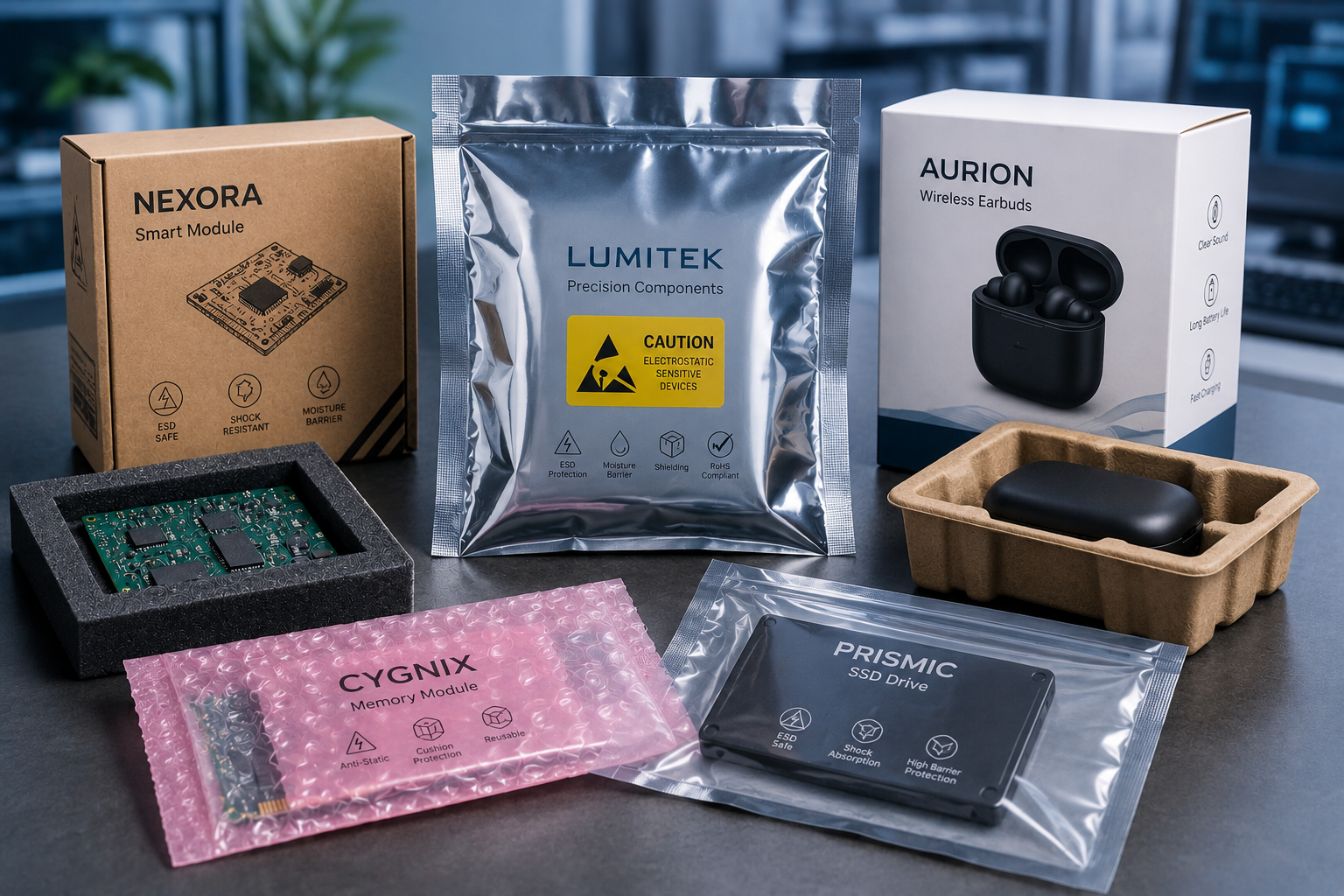
Electronics today move through complex supply chains before reaching the end user. From warehouses to shipping routes, products pass through multiple handling stages, each one adding potential risk. At the same time, devices are becoming smaller, more sensitive, and more valuable, which raises expectations around quality.
Even a minor issue during transit can lead to returns, delays, or lost customer trust.
This is where smart packaging starts to make a real difference. Instead of simply enclosing a product, it’s designed to reduce risk at every stage. Alongside this shift, flexible packaging is gaining attention for its ability to offer more adaptable and efficient solutions. Advanced packaging solutions by EONSEN Pack, a reliable flexible packaging manufacturer in China, reflect this broader move toward more engineered packaging approaches.
So what does this actually mean for electronics? Let’s take a closer look.
What Smart Packaging Really Means for Electronics
When people hear “smart packaging,” it can sound complicated. In simple terms, it’s packaging that’s built with a clear purpose. It doesn’t just hold a product, it helps maintain its condition from start to finish.
For electronics, that means addressing very specific risks. Anti-static or ESD-safe materials help prevent invisible electrical damage that can affect performance. Moisture and oxygen barriers keep humidity out, which is especially important for sensitive components. Then there’s impact resistance, which helps reduce the effects of drops and vibration during transport.
Traditional packaging often focuses on basic coverage. Smart packaging takes it a step further by combining materials and design to solve real problems.
It’s less about wrapping a product and more about making sure it performs as expected when it arrives.
The Challenges Electronics Face Without the Right Packaging
To understand why this matters, it helps to look at the risks first.
Electronics may seem durable, but many internal components are highly sensitive. Without the right packaging, they’re exposed to conditions that can quietly cause damage.
Static discharge is one of the most common issues. A small buildup of electricity can affect circuits without leaving visible signs. Moisture is another concern. Even low levels of humidity can impact performance, especially during long storage or shipping periods.
Then there’s physical stress. Drops, pressure, and constant vibration during transit can lead to cracks, loose connections, or internal faults.
The challenge is that these problems don’t always show up right away. A product might pass initial testing but fail later in use. For manufacturers and suppliers, that often leads to returns, warranty claims, and added operational costs.
How Smart and Flexible Packaging Solve These Problems
So how do modern packaging solutions deal with these risks? It comes down to using the right mix of materials and structure.
For static control, ESD-safe materials are designed to safely dissipate electrical charges before they reach sensitive components. To manage moisture, high-barrier films help block humidity and oxygen, creating a more stable environment inside the package. For physical stress, shock-absorbing layers help reduce the impact from handling and transport.
This is where flexible packaging really stands out. Instead of relying on a single material, it uses multi-layer construction to combine different properties into one solution. The result is packaging that’s lightweight but still strong enough to handle demanding conditions.
In practice, manufacturers such as EONSEN Pack focus on combining these material layers in a way that balances durability with efficiency, especially for sensitive electronic products.
Another key advantage is customization. Flexible packaging can be designed to closely fit the product, reducing empty space and limiting movement during transit. This not only improves reliability but can also help reduce shipping costs and make handling more efficient.
Why More Businesses Are Switching to Smarter Packaging
More businesses are starting to rethink the role of packaging. It’s no longer just about moving products from one place to another. It’s about maintaining quality throughout the journey.
One of the biggest reasons is cost. Damaged electronics lead to returns, replacements, and delays, all of which add up quickly. Reducing these risks can have a direct impact on operational efficiency.
There’s also the customer experience to consider. When a product arrives in perfect condition, it builds confidence and reinforces trust in the brand.
At the same time, many industries are working under stricter quality and compliance standards. Smarter packaging makes it easier to meet those expectations consistently.
Sustainability is another factor. Modern flexible packaging options use less material, reduce waste, and offer recyclable or eco-friendly alternatives. This allows businesses to improve their environmental impact while still maintaining high performance. This is also an area where companies like EONSEN Pack continue to explore more efficient material solutions.
Packaging Is Now Part of the Product Experience
Packaging is no longer just a final step. For electronics, it plays a direct role in product performance and how it’s perceived by the end user. If something arrives damaged or poorly handled, it reflects on the entire brand.
That’s why more companies now see packaging as part of the overall product experience. It supports consistency, reliability, and long-term trust.
Looking ahead, smart packaging will continue to evolve as materials and design improve. Businesses will have more ways to reduce risk while improving efficiency at the same time.
In many ways, the quality of the packaging now says as much about a product as the product itself.


Type-C to C vs Type A to Type C Cable: What’s the Difference?

How Executive Search Software Selects and Manages Senior Leadership Candidates

Data Science Course in Pune with Placement Support: From Classroom Training to Your First Job

Ethical Hacking Courses in Mumbai with Placement: Institutes, Duration, Fees & Jobs 2026

Best Micro Influencer Agency Singapore: Why Micro Beats Macro for Conversion

What Makes a Crypto Exchange Top-Rated? Understanding the Ranking Criteria
Why These Data Science Institutes in Delhi Are Preferred by Top Tech Recruiters?

How Long Does It Take to Register a Company in USA?

TeraBox Mod APK: Exploring Cloud Storage and File Management on Android

Future of Management Accounting: Why CMA Certification Skills Are in High Demand
Data Science Course in Pune with Placement Support: From Classroom Training to Your First Job
How Long Does It Take to Register a Company in USA?
TeraBox Mod APK: Exploring Cloud Storage and File Management on Android
Ethical Hacking Courses in Mumbai with Placement: Institutes, Duration, Fees & Jobs 2026
Best Micro Influencer Agency Singapore: Why Micro Beats Macro for Conversion
Future of Management Accounting: Why CMA Certification Skills Are in High Demand
What Makes a Crypto Exchange Top-Rated? Understanding the Ranking Criteria
Why These Data Science Institutes in Delhi Are Preferred by Top Tech Recruiters?
How Executive Search Software Selects and Manages Senior Leadership Candidates
Type-C to C vs Type A to Type C Cable: What’s the Difference?


 Tech2 years ago
How to Use a Temporary Number for WhatsApp
- Business3 years ago
Sepatuindonesia.com | Best Online Store in Indonesia
- Social Media2 years ago
The Best Methods to Download TikTok Videos Using SnapTik
- Technology2 years ago
Top High Paying Affiliate Programs
- Tech2 years ago
Understanding thejavasea.me Leaks Aio-TLP: A Comprehensive Guide
- FOOD2 years ago
How to Identify Pure Desi Ghee? Ultimate Guidelines for Purchasing Authentic Ghee Online

 Instagram4 years ago
Free Instagram Auto Follower Without Login
- Instagram4 years ago
Free Instagram Follower Without Login