
Blog
Grouse Cheese: A Rare Taste of Highland Artistry


Grouse Cheese is one of those rare gourmet delights that captivates both connoisseurs and casual cheese lovers. Its name conjures images of Scotland’s wild moorlands, where grouse birds roam and shepherds have tended flocks for centuries. Despite the avian reference, the cheese contains no grouse—it takes its name from the land where both grouse and sheep share the same highland habitat. What makes Grouse Cheese special is its combination of pastoral tradition, terroir-rich flavor, and artisanal craftsmanship. It represents more than just food; it is an edible link to history, geography, and rural heritage.
The Geographic and Cultural Roots
The origin of Grouse Cheese is deeply tied to the Scottish Highlands, a region where dairy traditions go back hundreds of years. The local environment is rugged yet fertile, filled with heather, lichen, and wild herbs that influence the grazing patterns of the sheep and goats whose milk forms the foundation of this cheese. For generations, small communities have relied on pastoral farming and cheesemaking as a means of survival and cultural identity. Each wheel of Grouse Cheese is, in essence, a record of those communities’ resourcefulness and their harmonious relationship with the land.
The Significance of Terroir
The French term “terroir” describes how climate, soil, and local vegetation affect the character of a food product. In the case of Grouse Cheese, terroir is everything. The milk used comes from animals that feed exclusively on wild, unspoiled pastureland. This natural diet imparts unique flavor notes—earthy, floral, and faintly nutty—that are impossible to replicate in an industrial setting. The Highland weather, with its cool temperatures and clean air, also plays a role, ensuring slow, even maturation of the cheese during the aging process.
Artisanal Production Methods
Grouse Cheese production is labor-intensive and entirely hands-on. Farmers typically collect raw milk early in the morning, while it is at its freshest and most flavorful. This milk is then gently heated and curdled using natural rennet, often derived from plants or traditional sources. The curds are cut slowly to retain moisture and texture, then pressed into molds lined with muslin cloth. Salting is done either by rubbing rock salt directly onto the wheel or by brining in a whey-based solution. Finally, the cheese is placed in cool, humid cellars to age for anywhere from three months to over a year.
Flavor Profile and Tasting Experience
The first bite of Grouse Cheese offers a complex medley of flavors that unfold gradually on the palate. Younger wheels are supple, with a creamy mouthfeel and delicate herbaceous tones. Aged wheels develop a more assertive character, with concentrated umami, nutty sharpness, and subtle mineral notes from the animals’ wild-fed diet. There may also be a whisper of peatiness—an unmistakable nod to the Highland environment. The aroma is equally captivating, earthy yet clean, inviting the taster to explore the layers within.
The Role of Aging
Aging transforms Grouse Cheese from a mild, youthful cheese into a robust, crumbly treasure. Short-aged cheese, around three to six months old, pairs beautifully with fresh fruit and soft bread. Long-aged versions, 12 months or more, are ideal for grating over hot dishes or enjoying with bold wines and whiskies. The aging process also encourages the development of a natural rind, which adds another dimension of texture and flavor. This rind, formed without wax or artificial coatings, tells a story of patient maturation and traditional handling.
Culinary Applications
While Grouse Cheese is often savored on its own, it is also a versatile ingredient in the kitchen. Melt it into a creamy risotto, layer it into a savory tart, or crumble it over roasted root vegetables for a gourmet twist. It also elevates sandwiches, burgers, and grilled meats. Its ability to melt smoothly makes it a favorite for fondue-style dishes, while its robust flavor holds its own in baked gratins. In salads, thin shavings of aged Grouse Cheese bring a burst of complexity to fresh greens.
Perfect Pairings
Pairing Grouse Cheese is both an art and a pleasure. Wine lovers often reach for full-bodied reds like Syrah or Malbec to match its richness, while a crisp Chardonnay can balance the cheese’s earthy qualities. Beer drinkers will find amber ales, stouts, and even Belgian saisons to be harmonious partners. For something distinctly Scottish, a single malt whisky with smoky or sherry-aged notes can create a truly memorable tasting experience. These pairings highlight the cheese’s depth without overpowering its natural character.
Serving and Presentation
The way Grouse Cheese is served greatly influences the enjoyment of its flavors. Ideally, it should be removed from refrigeration about 30–45 minutes before serving to allow the aromas to bloom and the texture to soften. Present it on a wooden board alongside crusty bread, seasonal fruits, and a handful of nuts. For a visually appealing presentation, alternate slices of young and aged Grouse Cheese, giving guests a chance to appreciate the evolution of flavor across different maturations.
Nutritional Profile
Grouse Cheese, like many artisanal cheeses, is nutrient-dense. It is rich in high-quality protein, calcium, phosphorus, and beneficial fats. Because it is made from milk sourced from grass-fed animals, it contains higher levels of omega-3 fatty acids and fat-soluble vitamins such as A and K2. However, it is also high in saturated fat and sodium, so moderation is key. For those seeking wholesome, minimally processed dairy, Grouse Cheese offers an excellent option when enjoyed as part of a balanced diet.
Sustainability and Ethical Farming
Many producers of Grouse Cheese follow sustainable and ethical farming practices. The animals are raised on open pasture, with minimal reliance on industrial feed or synthetic supplements. This approach not only benefits animal welfare but also reduces environmental impact by maintaining healthy soil and biodiversity. Supporting Grouse Cheese means supporting small farms that prioritize ecological balance and humane treatment of livestock, ensuring that future generations can continue to enjoy both the cheese and the landscapes that produce it.
Market Rarity and Accessibility
Grouse Cheese remains a specialty item, rarely found in supermarket chains. Its limited production and regional focus make it a prized find at gourmet food markets, artisan cheese shops, and certain food festivals. Online specialty retailers sometimes offer seasonal availability, often in limited quantities. This rarity enhances its desirability among cheese enthusiasts, who see it as not just a product but a culinary experience worth seeking out.
Economic Importance to Rural Communities
In regions where it is made, Grouse Cheese contributes significantly to the local economy. Small-scale cheesemakers create jobs, attract tourism, and preserve traditional skills that might otherwise be lost. Visitors to the Highlands often tour dairies, attend tastings, and bring home cheese as a souvenir, further boosting rural income. This economic role underscores the importance of protecting and promoting heritage food products like Grouse Cheese.
Preservation of Tradition
Producing Grouse Cheese is as much about preserving a way of life as it is about making a delicious product. Every stage of its creation reflects a legacy of knowledge passed down through families. In an era dominated by industrial food, Grouse Cheese stands as a living reminder that quality and tradition can thrive together. Supporting it means keeping alive the cultural heritage of the Scottish Highlands, along with the skills that make such a cheese possible.
Global Recognition and Awards
While not as internationally famous as cheddar or brie, Grouse Cheese has begun to attract attention at artisan cheese competitions and food expos. Judges praise its distinctive flavor profile, natural rind, and connection to terroir. Food writers and chefs have featured it in magazines, menus, and documentaries, bringing this once-obscure cheese into the spotlight for a growing global audience.
How to Store Grouse Cheese
Proper storage is essential to maintaining the flavor and texture of Grouse Cheese. Wrap it in wax paper or cheese paper to allow it to breathe, then store it in the warmest part of the refrigerator, such as a cheese drawer. Avoid sealing it in plastic for long periods, as this can trap moisture and encourage spoilage. If mold develops on the rind, it can usually be trimmed away without affecting the interior. Always bring the cheese to room temperature before serving for optimal enjoyment.
Home Cheesemaking Inspiration
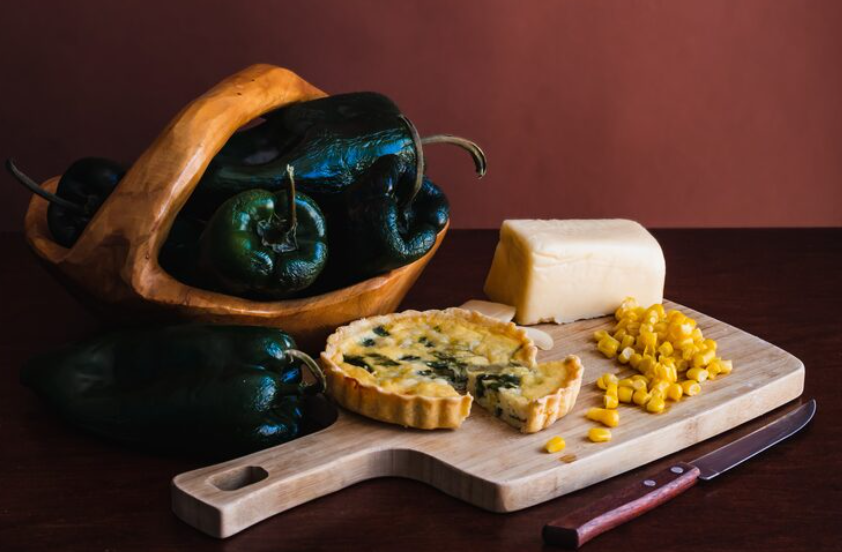
For adventurous home cooks, Grouse Cheese can serve as inspiration to try artisanal cheesemaking on a small scale. While duplicating the exact flavor is nearly impossible without Highland terroir, one can experiment with raw or grass-fed milk, natural rennet, and traditional aging techniques. This hands-on process not only deepens appreciation for the cheese itself but also offers insight into the patience and skill required to craft it.
The Future of Grouse Cheese
As consumer interest in authentic, regionally distinctive foods grows, Grouse Cheese is poised to gain more recognition. Challenges remain, such as protecting traditional methods from industrial shortcuts and ensuring younger generations take up the craft. But with continued support from chefs, food lovers, and ethical consumers, Grouse Cheese has a strong chance of thriving for decades to come. Its story is still being written, one wheel at a time.
Conclusion
Grouse Cheese is more than just a rare dairy product—it is a symbol of heritage, sustainability, and artisanal excellence. Every bite carries the essence of the Scottish Highlands, the care of dedicated cheesemakers, and the passage of tradition through generations. Whether enjoyed on a rustic bread, paired with a fine whisky, or savored alone, it offers an experience that transcends the ordinary. In supporting Grouse Cheese, one is not only indulging in a gourmet treat but also preserving a piece of living history.

Understanding AI Agent Architecture: From Automation to Autonomous Intelligence

How DMCA Ignored Hosting Help Adult Content Sites?

Other Alternatives to the Bigbunny Login Casino
Web UI Design Services, Custom Web App Development, or Local Product Design: Where to Start

Type-C to C vs Type A to Type C Cable: What’s the Difference?

How Executive Search Software Selects and Manages Senior Leadership Candidates

Data Science Course in Pune with Placement Support: From Classroom Training to Your First Job

Ethical Hacking Courses in Mumbai with Placement: Institutes, Duration, Fees & Jobs 2026

Best Micro Influencer Agency Singapore: Why Micro Beats Macro for Conversion

What Makes a Crypto Exchange Top-Rated? Understanding the Ranking Criteria
Web UI Design Services, Custom Web App Development, or Local Product Design: Where to Start
How Executive Search Software Selects and Manages Senior Leadership Candidates
Other Alternatives to the Bigbunny Login Casino
Type-C to C vs Type A to Type C Cable: What’s the Difference?
How DMCA Ignored Hosting Help Adult Content Sites?
Understanding AI Agent Architecture: From Automation to Autonomous Intelligence


 Tech2 years ago
How to Use a Temporary Number for WhatsApp
- Business3 years ago
Sepatuindonesia.com | Best Online Store in Indonesia
- Social Media2 years ago
The Best Methods to Download TikTok Videos Using SnapTik
- Technology2 years ago
Top High Paying Affiliate Programs
- Tech2 years ago
Understanding thejavasea.me Leaks Aio-TLP: A Comprehensive Guide
- FOOD2 years ago
How to Identify Pure Desi Ghee? Ultimate Guidelines for Purchasing Authentic Ghee Online

 Instagram4 years ago
Free Instagram Auto Follower Without Login
- Instagram4 years ago
Free Instagram Follower Without Login