
Technology
How Technology Has Changed Criminal Investigations

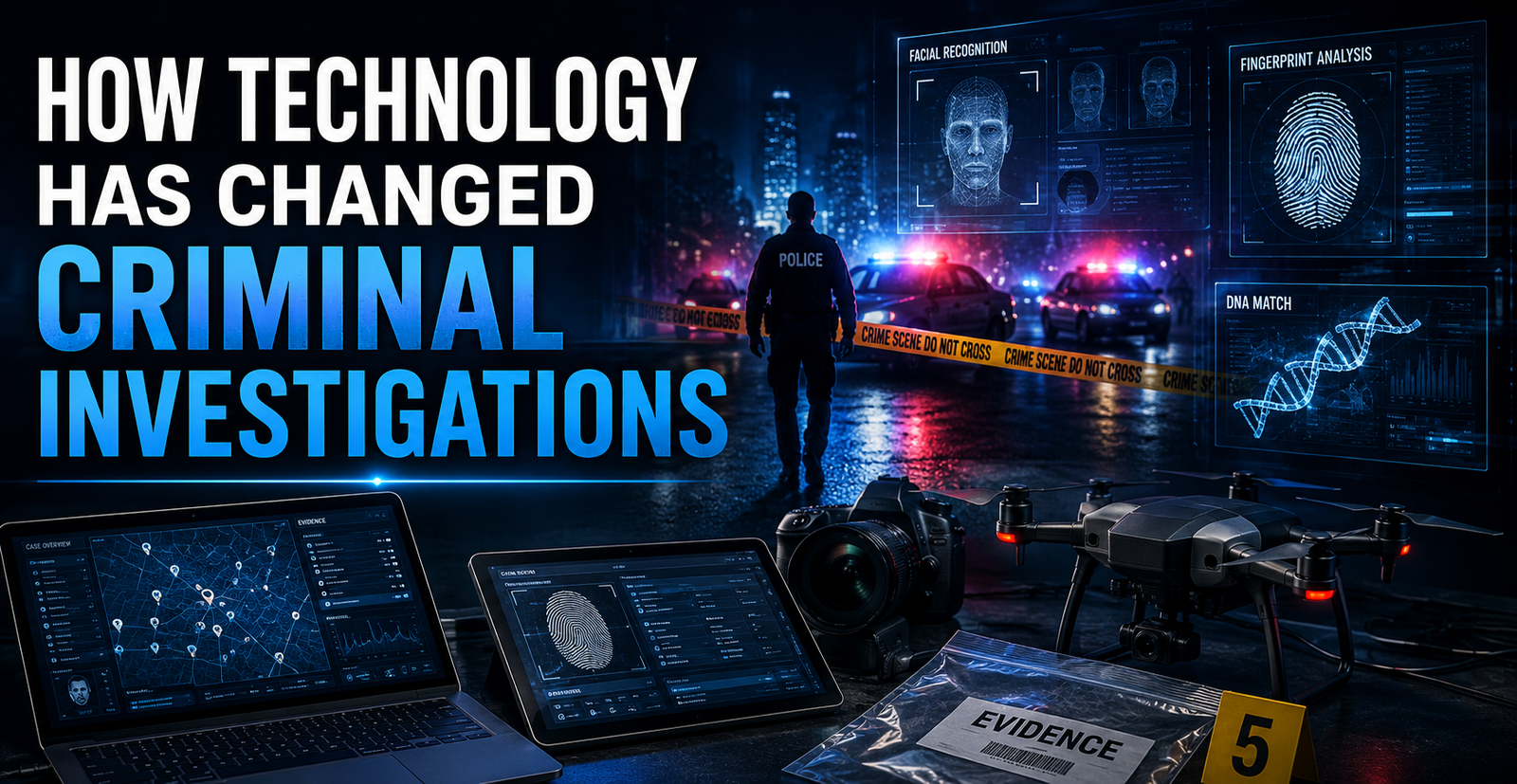
Technology has transformed nearly every part of modern life.
We communicate through text messages, social media, encrypted apps, cloud storage, and smartphones that rarely leave our hands. Digital communication has made relationships, business, entertainment, and everyday interactions more convenient than ever.
But technology has also changed something many people rarely think about:
criminal investigations.
Today, digital evidence often plays a major role in how allegations are investigated, challenged, and understood. In many criminal cases, smartphones and online activity now tell part of the story long before anyone enters a courtroom.
Your Phone Knows More Than You Think
Most people underestimate how much information their devices contain.
Modern investigations increasingly examine:
- text messages;
- deleted conversations;
- photographs and metadata;
- cloud storage;
- app usage;
- search history;
- GPS location data;
- social media interactions; and
- online communications.
In some situations, digital evidence may support allegations. In others, it may provide important context that complicates assumptions or timelines.
Technology rarely tells the full story by itself—but it often becomes a critical piece of how events are reconstructed.
Social Media Has Changed the Nature of Criminal Allegations
Platforms designed for connection have also created new risks.
Messages sent impulsively, jokes taken out of context, misunderstood conversations, screenshots, deleted content, or interactions through dating and messaging platforms may later become evidence in criminal investigations.
This is particularly true in allegations involving online communications, digital solicitation claims, or accusations involving minors and electronic devices.
In some investigations, communications that once felt private suddenly become central to how allegations are evaluated.
As a result, people increasingly seek information about how internet-related criminal allegations are investigated and what digital evidence may mean during an investigation.
Deleted Does Not Always Mean Gone
One of the biggest misconceptions surrounding digital evidence is the belief that deleting content permanently removes it.
In reality, investigators may sometimes recover:
- deleted messages;
- cloud backups;
- app activity;
- metadata;
- synchronized device information; or
- account histories.
At the same time, digital evidence can occasionally provide context that changes assumptions surrounding allegations.
Time stamps, message history, incomplete screenshots, altered communications, or missing portions of conversations sometimes create a much more complicated picture than initial accusations suggest.
Why Technology Has Increased Legal Complexity
Technology has not simply created new evidence—it has created new legal questions.
Issues surrounding consent, intent, identity verification, device ownership, online impersonation, digital entrapment concerns, and communication context continue to evolve alongside technology itself.
Investigations involving online allegations are often fact-intensive and heavily dependent on digital communications.
For individuals trying to better understand how sex crime allegations involving digital evidence are handled, education about the investigative process can often help separate myths from reality.
Information Matters More Than Ever
Digital communication happens quickly.
Legal consequences often move slower—but may last much longer.
In an environment where screenshots, messages, and devices increasingly shape investigations, understanding how technology intersects with criminal law has become more important than many people realize.
Technology has made life easier.
It has also made misunderstandings, accusations, and investigations significantly more complex.
Final Thoughts
Our devices document much of modern life.
Sometimes that creates clarity.
Other times, it creates confusion.
But one thing is increasingly certain: technology now plays a major role in how many criminal allegations are investigated, interpreted, and defended.
Understanding the role of digital evidence may matter more today than ever before.





Understanding AI Agent Architecture: From Automation to Autonomous Intelligence

How DMCA Ignored Hosting Help Adult Content Sites?

Other Alternatives to the Bigbunny Login Casino
Web UI Design Services, Custom Web App Development, or Local Product Design: Where to Start

Type-C to C vs Type A to Type C Cable: What’s the Difference?

How Executive Search Software Selects and Manages Senior Leadership Candidates

Data Science Course in Pune with Placement Support: From Classroom Training to Your First Job

Ethical Hacking Courses in Mumbai with Placement: Institutes, Duration, Fees & Jobs 2026

Best Micro Influencer Agency Singapore: Why Micro Beats Macro for Conversion

What Makes a Crypto Exchange Top-Rated? Understanding the Ranking Criteria
Web UI Design Services, Custom Web App Development, or Local Product Design: Where to Start
How Executive Search Software Selects and Manages Senior Leadership Candidates
Other Alternatives to the Bigbunny Login Casino
Type-C to C vs Type A to Type C Cable: What’s the Difference?
How DMCA Ignored Hosting Help Adult Content Sites?
Understanding AI Agent Architecture: From Automation to Autonomous Intelligence


 Tech2 years ago
How to Use a Temporary Number for WhatsApp
- Business3 years ago
Sepatuindonesia.com | Best Online Store in Indonesia
- Social Media2 years ago
The Best Methods to Download TikTok Videos Using SnapTik
- Technology2 years ago
Top High Paying Affiliate Programs
- Tech2 years ago
Understanding thejavasea.me Leaks Aio-TLP: A Comprehensive Guide
- FOOD2 years ago
How to Identify Pure Desi Ghee? Ultimate Guidelines for Purchasing Authentic Ghee Online

 Instagram4 years ago
Free Instagram Auto Follower Without Login
- Instagram4 years ago
Free Instagram Follower Without Login