
Blog
Bernie Bourke: Life, Legacy, and Lasting Impact

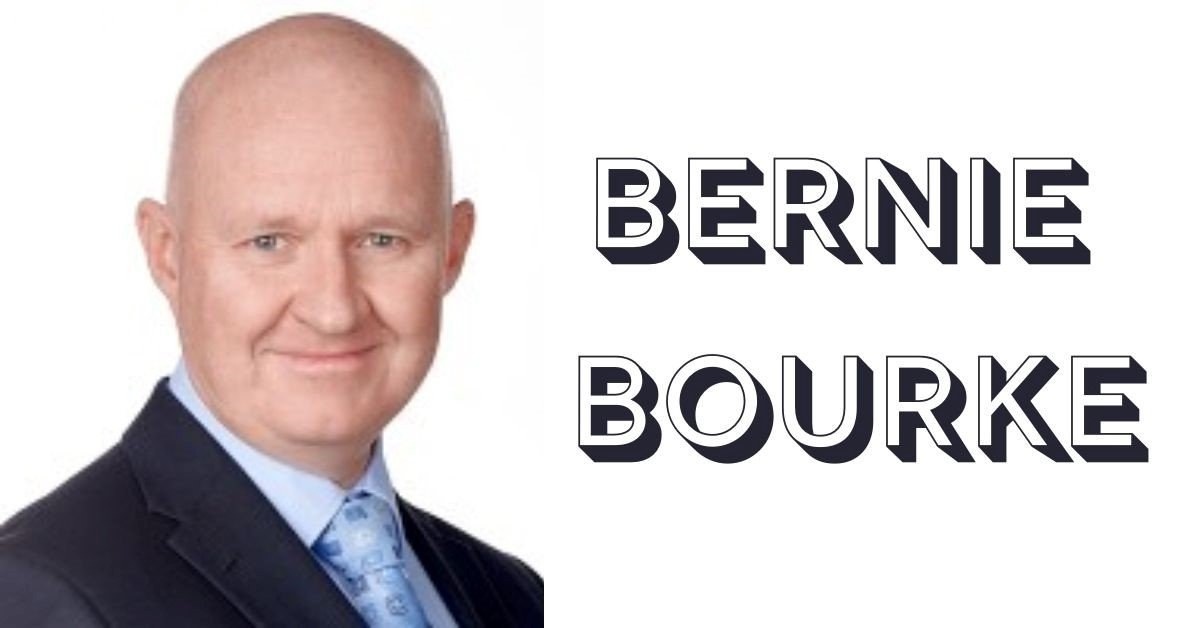
Bernie Bourke is a name that sparks curiosity for many people searching for stories of resilience, leadership, and quiet influence. Whether you first heard about Bernie Bourke through local history, business circles, or community networks, there is something compelling about his journey. His story is not just about personal success. It is about impact, relationships, and values that stood the test of time. Let us explore what truly shaped his legacy.
Early Life and Formative Influences
Every meaningful story begins with humble origins, and this one is no different. Growing up in a modest environment, he learned early that hard work was not optional. It was simply part of life. Family expectations, community standards, and real-world responsibilities shaped his character long before professional success entered the picture.
Education played a steady role in building his mindset. He was not necessarily driven by titles or status, but by curiosity. Teachers and mentors noticed a practical intelligence that leaned toward solving problems rather than talking about them. That grounded approach would later define his professional style.
More importantly, early exposure to community life built a sense of responsibility. Watching neighbors support one another left a lasting impression. Those experiences formed the backbone of his values. They made leadership feel like service rather than control. That distinction matters more than most people realize.
Read More: Berniece Julien: The Private Woman Behind a Famous Name
Professional Journey of Bernie Bourke
The professional path of Bernie Bourke did not follow a straight line. It unfolded step by step, shaped by opportunity and persistence. Early roles may not have seemed glamorous, but they provided insight into operations, teamwork, and accountability. He treated every job as a classroom.
As experience grew, so did responsibility. Colleagues began to trust his judgment because he listened before acting. That trait is rare in competitive environments. Instead of chasing rapid advancement, he focused on building credibility. Over time, that steady pace created stronger foundations than quick success ever could.
Leadership eventually became a natural extension of his work ethic. People respected him not because of authority, but because of consistency. In meetings and negotiations, he valued clarity over noise. That calm approach allowed him to navigate complex challenges without losing direction or relationships.
Leadership Style and Core Values
True leadership reveals itself under pressure. In difficult situations, he remained composed. Rather than reacting emotionally, he evaluated options carefully. This habit earned trust from peers and employees alike. It signaled that decisions were based on reason, not ego.
Integrity stood at the center of his approach. Promises were treated as commitments, not casual statements. In professional settings, that reliability strengthened partnerships. In personal interactions, it built lasting respect. When people know your word carries weight, collaboration becomes easier.
He also believed in shared growth. Success was not meant to be guarded. It was meant to be multiplied. By mentoring others and encouraging skill development, he created environments where teams felt empowered. That philosophy turned workplaces into communities rather than transactional spaces.
Community Engagement and Social Influence
Beyond career milestones, community involvement defined much of his identity. He understood that influence carries responsibility. Supporting local initiatives was not about publicity. It was about contributing to something larger than individual achievement.
Engagement with community projects often meant investing time rather than money. Attending meetings, listening to concerns, and offering practical advice built meaningful connections. These actions strengthened networks and fostered trust across different groups and backgrounds.
This sense of civic duty reinforced a simple truth. Long-term reputation grows from consistent service. People remember who showed up when it mattered. That steady presence helped shape a legacy rooted in reliability and shared progress rather than personal recognition.
Challenges, Resilience, and Growth
No meaningful journey unfolds without setbacks. Economic shifts, competitive pressures, and unexpected obstacles tested his resolve. Instead of viewing challenges as threats, he treated them as feedback. Each difficulty revealed areas for improvement or adaptation.
Resilience came from perspective. Short-term losses did not define long-term vision. By focusing on lessons rather than blame, he strengthened both strategy and character. That mindset prevented discouragement from turning into stagnation.
Growth followed naturally. Adapting to change required humility. A willingness to learn from younger colleagues and emerging trends kept him relevant. In a world that evolves quickly, staying open to change often matters more than initial expertise.
Personal Philosophy and Work Ethic
Behind every public reputation lies a personal philosophy. For him, discipline formed the foundation of progress. Small daily efforts accumulated into significant achievements. Consistency mattered more than bursts of motivation.
He often emphasized preparation. Entering discussions or projects without understanding the details was unacceptable. This thoroughness reduced mistakes and increased confidence. When preparation becomes habit, performance becomes reliable rather than unpredictable.
Balance also played a role. Work carried importance, but relationships and well-being were not neglected. Maintaining perspective ensured that ambition did not overshadow humanity. That balanced approach made his achievements sustainable rather than exhausting.
The Broader Legacy of Bernie Bourke
The broader legacy of Bernie Bourke extends beyond titles and timelines. It lives in the people he influenced and the standards he set. Professional networks often reflect the values of their strongest leaders, and his circles consistently emphasized trust and accountability.
Stories shared by colleagues reveal recurring themes. Fairness, patience, and clear communication shaped interactions. These traits may seem simple, yet they require discipline to maintain. Over time, they built a culture of respect that outlasted individual projects.
Importantly, legacy is not about perfection. It is about consistency. By staying aligned with core values through success and adversity, Bernie Bourke created a narrative grounded in authenticity. That authenticity remains relevant long after formal roles end.
Conclusion: Why Bernie Bourke Still Matters
Bernie Bourke continues to matter because his story highlights principles that never go out of style. Integrity, resilience, and community engagement remain essential in any era. While industries evolve and technologies shift, character remains constant.
Reflecting on Bernie Bourke reminds us that influence is built gradually. It grows from everyday decisions, not dramatic moments. Showing up, keeping promises, and supporting others may sound simple, yet they shape enduring reputations.
In a world often focused on rapid recognition, his journey offers a different lesson. Sustainable success is quiet, steady, and rooted in values. That is why Bernie Bourke remains a name associated with trust, leadership, and lasting impact.
Read More: Medieval life in the twenty-first century: how Russia gave new momentum to knightly combat

Web UI Design Services, Custom Web App Development, or Local Product Design: Where to Start

Type-C to C vs Type A to Type C Cable: What’s the Difference?

How Executive Search Software Selects and Manages Senior Leadership Candidates

Data Science Course in Pune with Placement Support: From Classroom Training to Your First Job

Ethical Hacking Courses in Mumbai with Placement: Institutes, Duration, Fees & Jobs 2026

Best Micro Influencer Agency Singapore: Why Micro Beats Macro for Conversion

What Makes a Crypto Exchange Top-Rated? Understanding the Ranking Criteria
Why These Data Science Institutes in Delhi Are Preferred by Top Tech Recruiters?

How Long Does It Take to Register a Company in USA?

TeraBox Mod APK: Exploring Cloud Storage and File Management on Android
Data Science Course in Pune with Placement Support: From Classroom Training to Your First Job
How Long Does It Take to Register a Company in USA?
Ethical Hacking Courses in Mumbai with Placement: Institutes, Duration, Fees & Jobs 2026
Best Micro Influencer Agency Singapore: Why Micro Beats Macro for Conversion
What Makes a Crypto Exchange Top-Rated? Understanding the Ranking Criteria
Why These Data Science Institutes in Delhi Are Preferred by Top Tech Recruiters?
How Executive Search Software Selects and Manages Senior Leadership Candidates
Type-C to C vs Type A to Type C Cable: What’s the Difference?
Web UI Design Services, Custom Web App Development, or Local Product Design: Where to Start


 Tech2 years ago
How to Use a Temporary Number for WhatsApp
- Business3 years ago
Sepatuindonesia.com | Best Online Store in Indonesia
- Social Media2 years ago
The Best Methods to Download TikTok Videos Using SnapTik
- Technology2 years ago
Top High Paying Affiliate Programs
- Tech2 years ago
Understanding thejavasea.me Leaks Aio-TLP: A Comprehensive Guide
- FOOD2 years ago
How to Identify Pure Desi Ghee? Ultimate Guidelines for Purchasing Authentic Ghee Online

 Instagram4 years ago
Free Instagram Auto Follower Without Login
- Instagram4 years ago
Free Instagram Follower Without Login