
Blog
Bulbasaur: The Iconic Grass-Poison Pokémon Explained

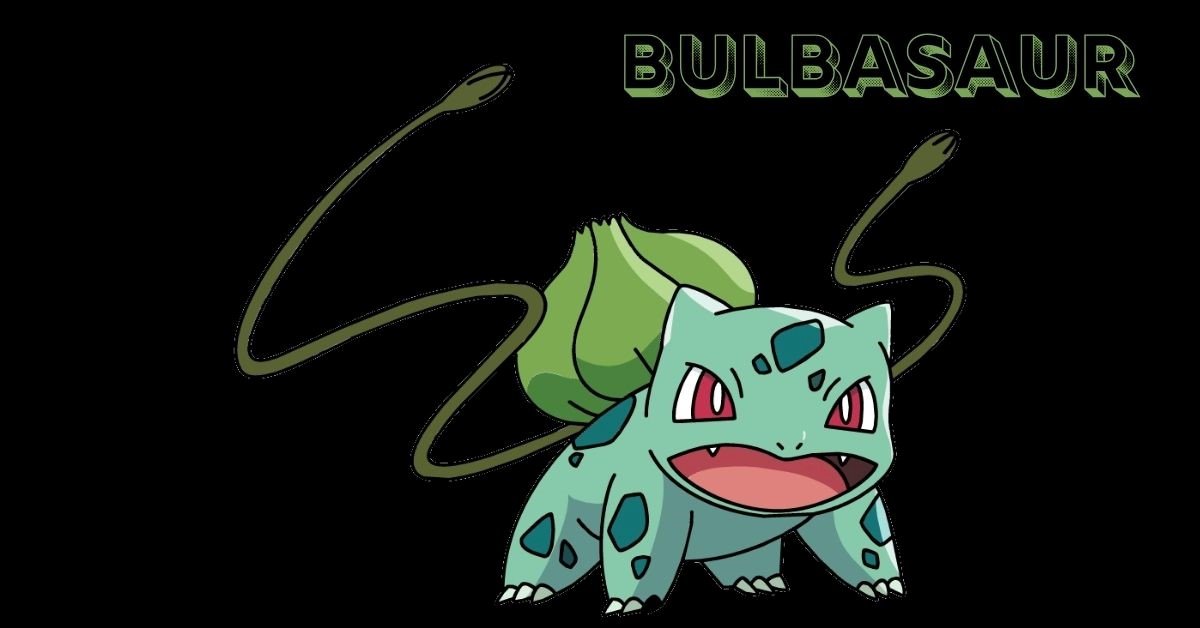
Bulbasaur is one of the most recognized Pokémon in the franchise, beloved for its unique design and versatile abilities. Known as the “Seed Pokémon,” it is often chosen by trainers at the beginning of their journey. Bulbasaur’s popularity stems from its approachable design, balanced stats, and the iconic bulb on its back that grows as it evolves.
Origins and Creation of Bulbasaur
Bulbasaur was created by Ken Sugimori and introduced in the original Pokémon Red and Blue games in 1996. Its design was inspired by reptiles and plants, combining elements of a dinosaur with a growing plant bulb. The concept reflects a symbiotic relationship between nature and creatures, making it one of the most environmentally themed Pokémon.
Read More: YouTube Premium vs Nebula: Which Platform Is Better?
Physical Appearance and Features
Bulbasaur is a small, quadrupedal creature with teal-colored skin, darker patches on its back, and red eyes. The most distinctive feature is the large green bulb on its back, which stores energy and grows as Bulbasaur evolves. Its rounded body, short legs, and friendly expression give it a cute and approachable appearance, appealing to players of all ages.
Bulbasaur’s Typing and Abilities
Bulbasaur is a dual-type Grass/Poison Pokémon, which gives it versatility in battles. Its primary abilities include Overgrow, which boosts Grass-type moves when its HP is low, and Hidden Ability Chlorophyll, which increases speed during sunny weather. These abilities make Bulbasaur effective in both defensive and offensive strategies.
Evolutionary Line: Bulbasaur to Venusaur
Bulbasaur evolves into Ivysaur at level 16 and finally into Venusaur at level 32. The evolution process is marked by the growth of the plant on its back, which blooms into a large flower as it reaches Venusaur. Each evolution increases its stats, giving it stronger attacks, better defense, and enhanced abilities for battle.
Popular Moves and Battle Strategies
Bulbasaur learns moves like Vine Whip, Razor Leaf, Leech Seed, and Solar Beam, which make it a versatile fighter. It excels in status-inflicting moves, healing tactics, and controlling the battlefield. Trainers often use Bulbasaur to chip away at opponents’ health while sustaining itself, making it an ideal starter Pokémon.
Bulbasaur in Pokémon Games
Bulbasaur is consistently available as a starter Pokémon in main series games like Red, Blue, FireRed, and LeafGreen. Its balanced stats and versatility make it a reliable choice for new trainers. Additionally, it appears in spin-offs, mobile games like Pokémon GO, and competitive titles such as Pokémon Showdown.
Bulbasaur in the Anime and Manga
In the Pokémon anime, Bulbasaur is portrayed as loyal, intelligent, and protective. Ash Ketchum’s Bulbasaur is known for its strong sense of justice and willingness to help friends. Bulbasaur also appears in the manga, often demonstrating clever strategies and teamwork, cementing its role as a fan favorite.
Strengths and Weaknesses
Bulbasaur’s Grass/Poison typing makes it strong against Water, Ground, and Rock-types but weak to Fire, Psychic, and Flying-types. Its balanced stats allow it to withstand moderate attacks while dealing steady damage. Understanding its strengths and weaknesses is crucial for effective gameplay and battle strategy.
Bulbasaur in Competitive Play
While not typically a top-tier competitive Pokémon, Bulbasaur and its evolutions can shine in early-game tournaments or niche strategies. Moves like Leech Seed and Sleep Powder provide status control, while Solar Beam becomes a powerful weapon in sunny weather. Competitive trainers value its versatility and predictability.
Bulbasaur in Merchandise and Pop Culture
Bulbasaur is a staple of Pokémon merchandise, appearing on plush toys, figurines, clothing, and trading cards. Its iconic status extends to collaborations, promotional campaigns, and appearances in Pokémon-themed events. The character is widely recognized even among casual fans of the franchise.
Tips for Training Bulbasaur
When training Bulbasaur, focus on balancing experience across leveling, move diversity, and stat growth. Early-game battles favor status moves and Grass-type attacks, while Sunny Day combinations can enhance Solar Beam’s power. Consistent training and evolution planning maximize its potential in both casual and competitive play.
Fun Facts About Bulbasaur
Bulbasaur was the first Pokémon in the National Pokédex, giving it a legendary status among fans. Its design influenced future Grass-type Pokémon, and its bulb symbolizes growth and potential. Bulbasaur also has regional forms and unique appearances in various spin-off games, keeping the character fresh and engaging.
Fan Theories and Community Popularity
Bulbasaur remains a favorite due to its versatility, design, and nostalgic value. Fans speculate about its plant biology, potential evolutions, and role in Pokémon lore. Online communities celebrate Bulbasaur through fan art, memes, and competitive discussions, solidifying its place in Pokémon culture.
Conclusion
Bulbasaur is more than just a starter Pokémon; it represents growth, loyalty, and strategic versatility. Its balanced stats, evolution potential, and cultural impact make it a timeless favorite for players and fans worldwide. From games to anime and merchandise, Bulbasaur continues to captivate generations of Pokémon enthusiasts.
Read More: Triumph Bullet Photo: Capturing Iconic Motorcycle Imagery
FAQs
1. What type of Pokémon is Bulbasaur?
Bulbasaur is a Grass/Poison-type Pokémon.
2. At what level does Bulbasaur evolve into Ivysaur?
Bulbasaur evolves into Ivysaur at level 16.
3. What abilities does Bulbasaur have?
Bulbasaur has Overgrow as its main ability and Chlorophyll as a hidden ability.
4. Is Bulbasaur good for beginners in Pokémon games?
Yes, its balanced stats and versatile moves make it ideal for beginners.
5. Why is Bulbasaur so popular among fans?
Its cute design, strategic utility, and nostalgic value make it beloved worldwide.

Understanding AI Agent Architecture: From Automation to Autonomous Intelligence

How DMCA Ignored Hosting Help Adult Content Sites?

Other Alternatives to the Bigbunny Login Casino
Web UI Design Services, Custom Web App Development, or Local Product Design: Where to Start

Type-C to C vs Type A to Type C Cable: What’s the Difference?

How Executive Search Software Selects and Manages Senior Leadership Candidates

Data Science Course in Pune with Placement Support: From Classroom Training to Your First Job

Ethical Hacking Courses in Mumbai with Placement: Institutes, Duration, Fees & Jobs 2026

Best Micro Influencer Agency Singapore: Why Micro Beats Macro for Conversion

What Makes a Crypto Exchange Top-Rated? Understanding the Ranking Criteria
Web UI Design Services, Custom Web App Development, or Local Product Design: Where to Start
How Executive Search Software Selects and Manages Senior Leadership Candidates
Other Alternatives to the Bigbunny Login Casino
Type-C to C vs Type A to Type C Cable: What’s the Difference?
How DMCA Ignored Hosting Help Adult Content Sites?
Understanding AI Agent Architecture: From Automation to Autonomous Intelligence


 Tech2 years ago
How to Use a Temporary Number for WhatsApp
- Business3 years ago
Sepatuindonesia.com | Best Online Store in Indonesia
- Social Media2 years ago
The Best Methods to Download TikTok Videos Using SnapTik
- Technology2 years ago
Top High Paying Affiliate Programs
- Tech2 years ago
Understanding thejavasea.me Leaks Aio-TLP: A Comprehensive Guide
- FOOD2 years ago
How to Identify Pure Desi Ghee? Ultimate Guidelines for Purchasing Authentic Ghee Online

 Instagram4 years ago
Free Instagram Auto Follower Without Login
- Instagram4 years ago
Free Instagram Follower Without Login