
Blog
How an Electric Torch Works: Components and Uses Explained

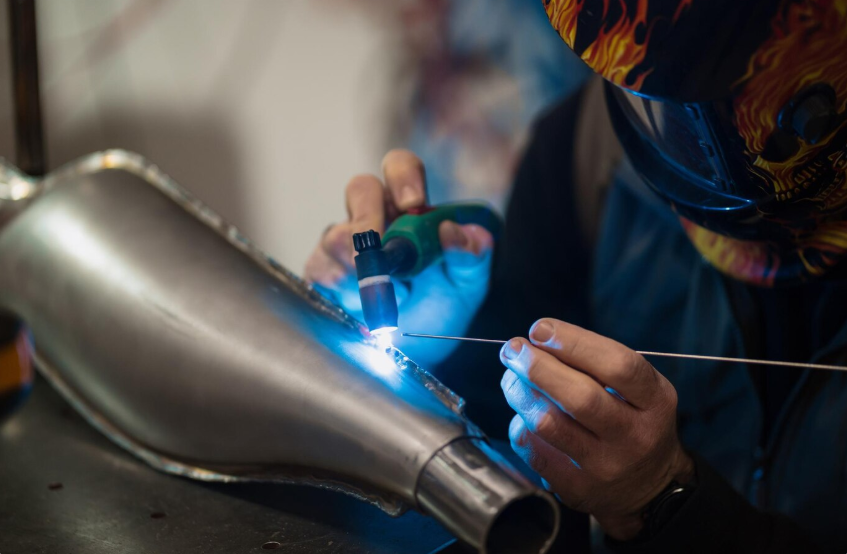
An electric torch, commonly known as a flashlight, is a portable handheld device that produces light using electrical energy. It has become an essential tool in households, outdoor adventures, and emergency situations. With technological advancements, electric torches have evolved from simple incandescent models to modern LED variants. The ability to carry a powerful beam of light in your hand makes the torch an indispensable device in both urban and rural environments.
Historical Development of the Electric Torch
The first electric torch was developed in the late 19th century after the invention of dry cell batteries. These early torches used carbon filament bulbs and were rather inefficient. Over the years, technological improvements led to the adoption of tungsten filament bulbs, which offered better brightness and longevity. In the 2000s, Light Emitting Diodes (LEDs) revolutionized the design and functionality of electric torches, making them brighter, more energy-efficient, and longer-lasting than ever before.
Basic Working Principle
An electric torch works on a simple principle of converting electrical energy into light energy. The torch contains a power source, usually batteries, which supply electricity to a bulb or LED when the circuit is completed by pressing the switch. The flow of current energizes the light-emitting component, producing illumination. Reflectors and lenses are then used to focus or diffuse the light, depending on the torch design.
Components of an Electric Torch
The main components of an electric torch include the casing, batteries, bulb or LED, switch, reflector, and lens. The casing holds all parts together and is usually made from plastic or metal. The batteries provide the energy source. The switch acts as a control mechanism to open or close the circuit. The reflector surrounds the bulb or LED and directs the emitted light forward. The lens at the front focuses the light beam or diffuses it, depending on the type of torch.
Types of Electric Torches
Electric torches come in a variety of types based on usage and design. Standard handheld torches are common for general use. Tactical torches are compact, robust, and often waterproof, used by military and law enforcement. Headlamps are hands-free torches mounted on headbands, ideal for hiking or working in dark spaces. Rechargeable torches come with built-in batteries that can be recharged via USB or docking stations, making them cost-effective and eco-friendly over time.
LED vs Incandescent Torches
LED torches have largely replaced incandescent ones due to numerous advantages. LEDs consume less power, produce brighter light, and last significantly longer than filament-based bulbs. They are also more durable and resistant to shock. Incandescent torches, on the other hand, are cheaper upfront but have limited operational life and higher energy consumption. For most modern applications, LED torches are the preferred choice.
Rechargeable vs Battery-Powered Torches
Battery-powered torches use disposable alkaline or lithium batteries, which are convenient and readily available. Rechargeable torches use built-in batteries that can be recharged, offering long-term savings and environmental benefits. The choice between these depends on usage. For frequent users, rechargeable models are ideal. For occasional or emergency use, battery-powered torches provide a reliable backup without needing access to electricity.
Uses in Everyday Life
Electric torches serve multiple purposes in everyday life. They are commonly used during power outages, for finding items in dark corners, or for walking at night. In rural areas with unreliable electricity, torches provide a crucial source of light. Campers and trekkers rely on torches for nighttime navigation. Mechanics and electricians use specialized torches to inspect hard-to-reach areas. The utility of torches spans both personal and professional settings.
Importance in Emergency Situations
During emergencies such as storms, earthquakes, or floods, electric torches provide vital lighting when the main power supply is disrupted. Emergency kits often include a torch along with spare batteries or a solar charger. In rescue operations, powerful torches help search teams locate victims in low-visibility conditions. Their reliability and portability make them indispensable tools in any emergency preparedness plan.
Innovations in Torch Technology
Modern electric torches are equipped with advanced features such as adjustable beam focus, multiple lighting modes (including strobe and SOS), and battery indicators. Some torches come with solar panels for eco-friendly recharging. Others include built-in power banks to charge mobile devices. Smart torches can be connected via Bluetooth to smartphones, allowing remote control and customization of light settings. These innovations continue to enhance the torch’s utility and efficiency.
Environmental Considerations
The increasing use of disposable batteries raises environmental concerns due to toxic waste. Rechargeable torches help mitigate this issue by reducing battery consumption. Some manufacturers are developing eco-friendly torches made from recycled materials or offering solar-powered options. Consumers are encouraged to recycle used batteries properly and invest in sustainable torch models to minimize their ecological footprint.
Safety Tips for Using a Torch
To ensure safe and effective use, it is important to follow some basic precautions. Always check batteries before important use and keep spare ones in hand. Do not shine the beam directly into someone’s eyes, especially with powerful LED models. Store torches in a dry place to avoid corrosion of internal components. Regular maintenance, such as cleaning the lens and checking battery terminals, can prolong the life of your torch.
How to Choose the Right Torch
Selecting the right torch depends on intended usage. For home use, a medium-sized LED torch with a good battery life is sufficient. For outdoor adventures, look for waterproof, shockproof models with long-range beams. Tactical users should opt for high-lumen torches with strobe features. Battery type, brightness level, durability, and weight are key factors to consider. Reviews and brand reputation also help in making a well-informed purchase.
Cost and Availability
Electric torches are available at a wide range of prices, from budget-friendly models to high-end tactical variants. Basic models start from just a few dollars, while premium LED torches with advanced features can cost upwards of $100. They are readily available in hardware stores, supermarkets, online marketplaces, and specialized electronics retailers. Consumers have a plethora of choices to suit every need and budget.
Maintenance and Longevity
Maintaining your electric torch ensures it remains functional when needed. Clean the torch periodically to remove dirt and dust. Replace batteries when they run low, and store them separately if the torch will not be used for a long time. For rechargeable models, avoid overcharging and store them at appropriate temperatures. Quality torches from reputable brands often last for years with proper care.
Educational and Industrial Applications
Beyond households, electric torches are widely used in educational and industrial settings. Students use them for science experiments and outdoor fieldwork. Engineers and construction workers rely on torches to inspect structures and machinery in dim conditions. In factories, handheld torches provide localized lighting during maintenance or emergencies. Their versatility and effectiveness make them critical tools in various professional domains.
Military and Law Enforcement Use

Tactical torches used by military personnel and police forces are designed to be extremely durable, waterproof, and bright. They may feature adjustable brightness, infrared capabilities, and even weapon mounts. Such torches are essential for patrolling, night operations, and self-defense. Law enforcement uses include identification, navigation, and controlling suspects in low-visibility conditions.
Future of Electric Torches
The future of electric torches lies in continued innovation. Developers are working on torches that use graphene batteries for ultra-fast charging and extended battery life. Integration with wearable technology and IoT systems is also on the horizon. As sustainability becomes a global priority, expect to see more torches using biodegradable materials and renewable energy sources like kinetic or solar power.
Conclusion
The electric torch remains a crucial tool in the modern world, offering convenience, safety, and reliability in countless situations. From humble beginnings to advanced smart devices, the evolution of the torch reflects our growing dependence on portable light sources. Whether used in homes, the wilderness, or in professional settings, the electric torch is a shining example of practical innovation that continues to illuminate our lives.Bottom of Form


CurlyMe Hair Half Wigs & Crochet Hair For Summer Protective Style
5 Simple CNC Tooling Choices That Improve Shop Efficiency
How Trading Apps Are Shaping the Future of Retail Investing

Migrating from Prometheus to VictoriaMetrics: A Step-by-Step Guide

How Journalists and News Researchers Stay on Top of Multi-Region Coverage in 2026

How Primary 5 Maths Tuition Helps Prevent Careless Math Mistakes
O Level Chemistry Book Excellence: How SAP Helps Students Prepare with Confidence

Low efficiency in small-batch production Smart manufacturing and automation solutions help you cut costs by 30%.

How Technology Has Changed Criminal Investigations

Expert Tips for Achieving Flawless OQ Hair Feather Crochet Hair
O Level Chemistry Book Excellence: How SAP Helps Students Prepare with Confidence
Low efficiency in small-batch production Smart manufacturing and automation solutions help you cut costs by 30%.
How Technology Has Changed Criminal Investigations
How Journalists and News Researchers Stay on Top of Multi-Region Coverage in 2026
Expert Tips for Achieving Flawless OQ Hair Feather Crochet Hair
How Primary 5 Maths Tuition Helps Prevent Careless Math Mistakes
Migrating from Prometheus to VictoriaMetrics: A Step-by-Step Guide
5 Simple CNC Tooling Choices That Improve Shop Efficiency
How Trading Apps Are Shaping the Future of Retail Investing
CurlyMe Hair Half Wigs & Crochet Hair For Summer Protective Style


 Tech2 years ago
How to Use a Temporary Number for WhatsApp
- Business2 years ago
Sepatuindonesia.com | Best Online Store in Indonesia
- Social Media2 years ago
The Best Methods to Download TikTok Videos Using SnapTik
- Technology2 years ago
Top High Paying Affiliate Programs
- Tech1 year ago
Understanding thejavasea.me Leaks Aio-TLP: A Comprehensive Guide
- FOOD2 years ago
How to Identify Pure Desi Ghee? Ultimate Guidelines for Purchasing Authentic Ghee Online

 Instagram4 years ago
Free Instagram Auto Follower Without Login
- Instagram4 years ago
Free Instagram Follower Without Login