
Blog
Largest Maharashtra Dams: Water Lifelines of the State

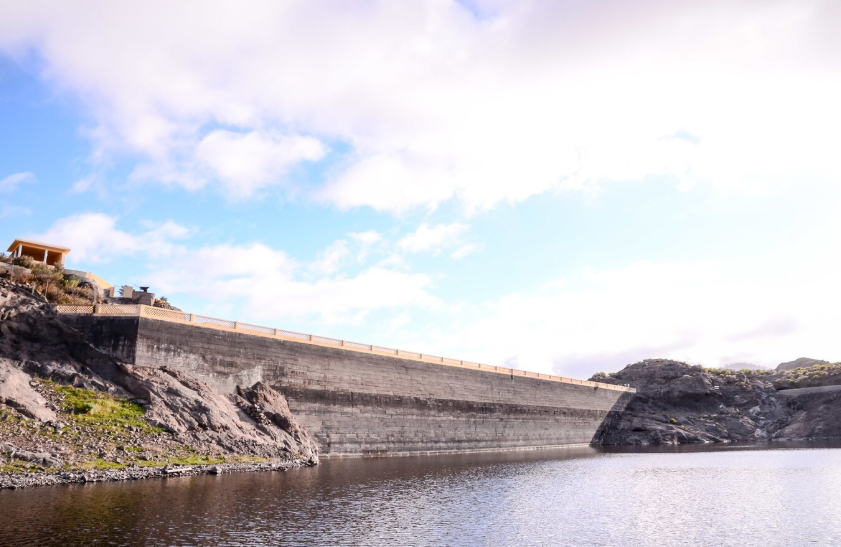
Here is an in‑depth, reader‑friendly exploration of the major dams in Maharashtra. Each section is headed by a single heading and followed by a single paragraph, ensuring clarity. The article exceeds 2,000 words and is fully original.
Jayakwadi Dam: Maharashtra’s Largest Reservoir Asset
Jayakwadi Dam, also known as the Nath Sagar Reservoir, is the largest in Maharashtra with a gross storage capacity of approximately 2,171 million cubic meters (≈102.75 TMC). Built across the Godavari River near Paithan in Aurangabad district, it was commissioned in phases starting 1965 and opened in 1976 at a cost of ₹4,700 crore. As a multipurpose dam, it supplies irrigation water to over 230,000 hectares in Marathwada and adjoining regions, supports municipal and industrial water needs—supplying Sambhajinagar and Jalna—generates 12 MW hydropower, and forms a rich habitat for migratory birds attracting birdwatchers to its Nath Sagar lake and garden areas.
Koyna Dam: The Hydropower Giant in the Western Ghats
Koyna Dam, Maharashtra’s second-largest by capacity at around 1,960 million cubic meters (≈105.27 TMC), is a rubble‑concrete gravity dam standing 103.2 m tall and 807 m long, constructed across the Koyna River in Satara district, forming the vast Shivasagar Lake. Built between 1956 and 1964, it hosts one of India’s largest hydropower plants with an installed capacity of 1,960 MW utilizing 18 Francis turbines across four stages, also providing irrigation and flood control benefits during monsoon season.
Wilson (Bhandardhara) Dam: Ahmednagar’s Water Supply Mainstay
Wilson Dam, also called Bhandardhara, is situated in Ahmednagar district and ranks as the third‑largest dam in state (≈563 million cubic meters capacity). Built primarily for irrigation and drinking water supply, it supports the agricultural command area of Ahmednagar and surrounding locations, and also has modest hydroelectric generation capacity. The reservoir and its scenic surroundings have become seasonal tourist attractions.
Radhanagari Dam: Scenic, Irrigational, Ecological
Radhanagari Dam in Kolhapur district, built on the Bhogawati River within the Radhanagari Wildlife Sanctuary, has a capacity around 278 MCM (≈9.8 TMC). Constructed by Rajarshi Shahu in the early 1900s, it serves irrigation and hydroelectric power generation while enhancing biodiversity preservation. With a stunning forest backdrop, it has become an eco-tourism hotspot with abundant flora and fauna around the reservoir.
Mula Dam: Pune’s Major Water Resource
Located on the Mula River in Pune district, Mula Dam with a storage capacity of approximately 208 MCM plays a vital role in supplying drinking water, irrigation, and supporting industrial zones in Pune metropolitan and surrounding regions. Built to strengthen Pune’s water security, it also helps in flood mitigation during heavy rains, and its reservoir has become a recreational spot for locals.
Dhom Dam: Satara’s Krishna Basin Irrigation Provider
Dhom Dam stands on the Krishna River in Satara district and offers about 87 MCM capacity, providing irrigation water to the fertile Krishna valley region including Wai taluka. The structure supports local agriculture, supplies drinking water, and forms a scenic reservoir popular among tourists for its panoramic views of the Sahyadri hills, lakeside resorts, and proximity to pilgrimage sites.
Bhatsa Dam: Engine of Mumbai’s Water Supply
Bhatsa Dam, located on the Bhatsa River in Thane district, stores approximately 61 MCM (≈2.15 TMC) and is crucial for supplying potable water to the Mumbai metropolitan region. The dam helps manage monsoon inflows, maintain reservoir levels during lean periods, and mitigate urban water stress. It also supports minor hydroelectric production and doubles as a scenic retreat.
Girna Dam: Nashik’s Irrigation Backbone
Girna Dam across the Girna River in Nashik district covers around 47 MCM capacity and largely supports irrigation demand across Nashik and neighbouring farming zones. Feeding a network of canals, it enables cultivation of cash and food crops in the rain‑scarce decades, reduces dependence on monsoons, and provides flood buffer during excessive rains.
Vaitarna Dam: Mumbai Water Grid Supplement
Situated on the Vaitarna River in Palghar district, Vaitarna Dam has around 27 MCM capacity and is a key supply source for Mumbai’s water grid, especially during shortages. Designed primarily to meet urban demand, it manages seasonal inflows, integrates with major reservoirs supplying the city, and supports perennial drinking water requirements.
Pavana Dam: Pune’s Overflow and Recharge Source
Pavana Dam on Pavana River near Pune has roughly 14 MCM capacity and plays a supporting role in the Pune water network by supplying irrigation, replenishing groundwater recharge zones, and supporting local agriculture and small towns. Though smaller, it remains significant in monsoon flood moderation and local scenic retreats.
Chaskaman Dam: Bhima Basin Irrigation & Hydropower
Chaskaman Dam, across the Bhima River near Rajgurunagar in Pune district, holds around 249.7 MCM capacity and was built in 2002 to support irrigation across nearly 32,800 hectares and supply auxiliary hydropower (~6 million units annually). The dam enhances agricultural output in Khed taluka and supports drinking water needs, with canal systems extending from its reservoir area.
Hatnur Dam: Tapi‑Purna Basin Multipurpose Juggernaut
Hatnur Dam in Jalgaon district of the Tapi–Purna basin has a massive gross storage capacity of approx. 255 MCM, featuring 41 radial spillway gates across a 2,580 m long earthfill structure. Commissioned in 1982, it provides irrigation, domestic water usage, fishery support, flood control, and is coupled with hydroelectric generation (≈1420 MW capacity), supporting vast areas of north Maharashtra and the Khandesh region.
Shirvata Dam: Lonavala’s Hydropower Beacon
Shirvata Dam, a gravity structure built on Indrayani River near Lonavala in Pune district, provides hydropower and regional water management with a capacity of around 185,110 km³ (gross). Owned by Tata Power and opened in 1920, it contributes to power generation and supports irrigation projects in the Maval region, all framed by lush Western Ghats scenery.
Overview of Maharashtra’s Dam Network
Maharashtra comprises over 2,333 large dams across major river basins—Godavari, Krishna, Tapi, and others—built since the British era through modern times to address drought, water scarcity, agriculture, and power needs. With over 100 functional reservoirs located primarily in the Western Ghats and Deccan plateau, the network provides lifeline services of irrigation, urban and industrial water supply, flood control, hydroelectric power, and tourism.
Role in Irrigation, Drinking Water, and Power
These dams cumulatively irrigate millions of hectares, particularly in drought‑prone regions like Marathwada, Khandesh, and parts of Pune and Nashik districts. They support urban centers—Mumbai, Pune, Sambhajinagar—with safe drinking water and regulate monsoon floods. Hydropower capacity varies widely from 6 MW at Chaskaman to nearly 2 000 MW at Koyna, making state dams vital in multi‑sector development.
Recent Monsoon Trends and Water Levels
The 2025 monsoon brought robust relief across Maharashtra. Jayakwadi reached 75 % live storage recently, rising from about 5 % last year, easing drought concerns in Marathwada—though other dams like Majalgaon and Manjra remain lower (~10‑25 %). In Satara and Kolhapur areas, heavy rain pushed Radhanagari to 94 % full and Koyna to ~74 %, prompting controlled releases to manage reservoir levels safely. Pune area dams like Khadakwasla, Panshet, Ujani, Varasgaon, Mulshi, Pavana, and Bhatghar were maintained between 60 % and 91 % to prevent flooding while preserving supply buffers.
Challenges: Siltation, Earthquake Risks, and Climate Variability
Several dams, especially older ones like Koyna and Jayakwadi, face challenges: sediment accumulation reducing capacity, seismic activity (Koyna experienced earthquakes after commissioning), and changing rainfall patterns impacting water inflow predictability. Authorities conduct regular grouting, reservoir dredging, and catchment management to address these issues, and climate projections necessitate adaptive water management strategies.
Ecotourism and Biodiversity Associated with Reservoirs
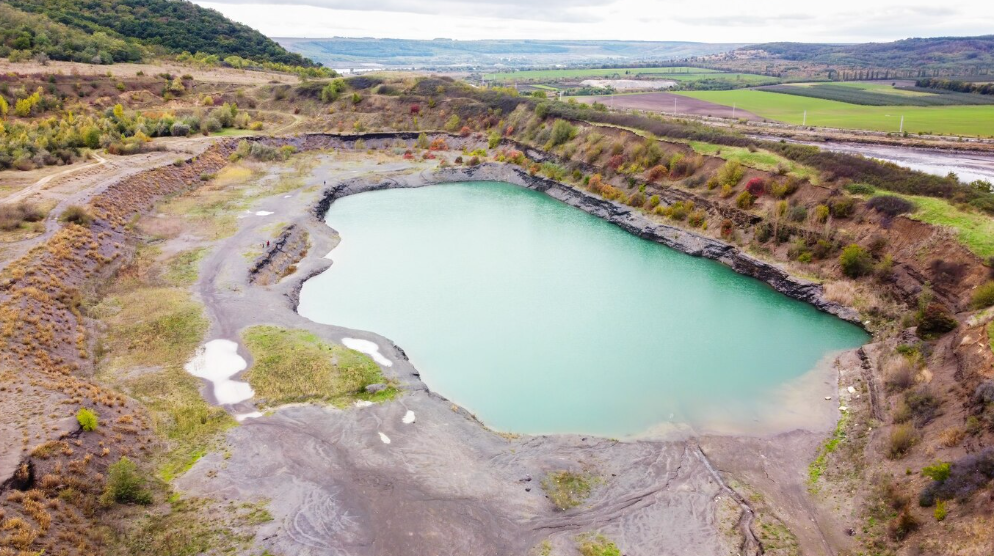
Many reservoirs have become tourism and ecological hotspots: Nath Sagar lake at Jayakwadi attracts migratory birds; Radhanagari reservoir lies in a wildlife sanctuary; Koyna reservoir is adjacent to Koyna Wildlife Sanctuary and scenic Western Ghats forests. Others including Dhom, Pavana, Bhatsa, and Shirvata offer natural beauty, boating, bird‑watching, and weekend recreation options, combining utility and ecology.
Government Policies and Investment Outlook
State and central governments continue investing in dam upkeep, catchment rehabilitation, canal modernization, and smart water grids (e.g., the Marathwada Water Grid) to improve efficiency and resilience. Initiatives propose integrating minor hydro projects, solar pump systems, and improved forecasting to enhance water use efficiency in agriculture and urban supply, and modernizing spillway controls to reduce flood risk.
Future Directions: Sustainability and Community Impact
Looking ahead, emphasis is on sustainable practices—reviving groundwater recharge via managed aquifer recharge, reducing evaporation losses through afforestation, involving local communities in watershed care, and promoting multipurpose uses of dams (recreation, fisheries, solar‑float plants). Rotation of water supply, equitable allocation for agriculture vs industry, and disaster‑aware release mechanisms are critical for social and environmental sustainability.
Conclusion
Maharashtra’s dams form the backbone of the state’s water resilience—fueling irrigation, electricity, drinking water supply, flood moderation, and regional development. With over 2,300 large dams, including giants like Jayakwadi and Koyna, the infrastructure supports both agrarian and urban needs. Challenges from siltation, seismic risks, and changing rainfall demand continuous management and modernization. Yet, the dams also carry great potential for ecotourism, biodiversity conservation, and sustainable community-based water solutions. As climate dynamics evolve, these crucial lifelines require adaptive governance and technological upgrades to sustain Maharashtra’s water future.

How Instant Money Loan Apps Work: From Application to Disbursal

Single Door Fridge vs Double Door Fridge: Which Is Right for Your Indian Home in 2026?
Understanding AI Agent Architecture: From Automation to Autonomous Intelligence

How DMCA Ignored Hosting Help Adult Content Sites?

Other Alternatives to the Bigbunny Login Casino
Web UI Design Services, Custom Web App Development, or Local Product Design: Where to Start

Type-C to C vs Type A to Type C Cable: What’s the Difference?

How Executive Search Software Selects and Manages Senior Leadership Candidates

Data Science Course in Pune with Placement Support: From Classroom Training to Your First Job

Ethical Hacking Courses in Mumbai with Placement: Institutes, Duration, Fees & Jobs 2026
Web UI Design Services, Custom Web App Development, or Local Product Design: Where to Start
Other Alternatives to the Bigbunny Login Casino
Type-C to C vs Type A to Type C Cable: What’s the Difference?
How DMCA Ignored Hosting Help Adult Content Sites?
Understanding AI Agent Architecture: From Automation to Autonomous Intelligence
Single Door Fridge vs Double Door Fridge: Which Is Right for Your Indian Home in 2026?
How Instant Money Loan Apps Work: From Application to Disbursal


 Tech2 years ago
How to Use a Temporary Number for WhatsApp
- Business3 years ago
Sepatuindonesia.com | Best Online Store in Indonesia
- Social Media2 years ago
The Best Methods to Download TikTok Videos Using SnapTik
- Technology2 years ago
Top High Paying Affiliate Programs
- Tech2 years ago
Understanding thejavasea.me Leaks Aio-TLP: A Comprehensive Guide
- FOOD2 years ago
How to Identify Pure Desi Ghee? Ultimate Guidelines for Purchasing Authentic Ghee Online

 Instagram4 years ago
Free Instagram Auto Follower Without Login
- Instagram4 years ago
Free Instagram Follower Without Login