
Blog
Indoor Solar Lamps: A Bright, Eco-Friendly Lighting Solution

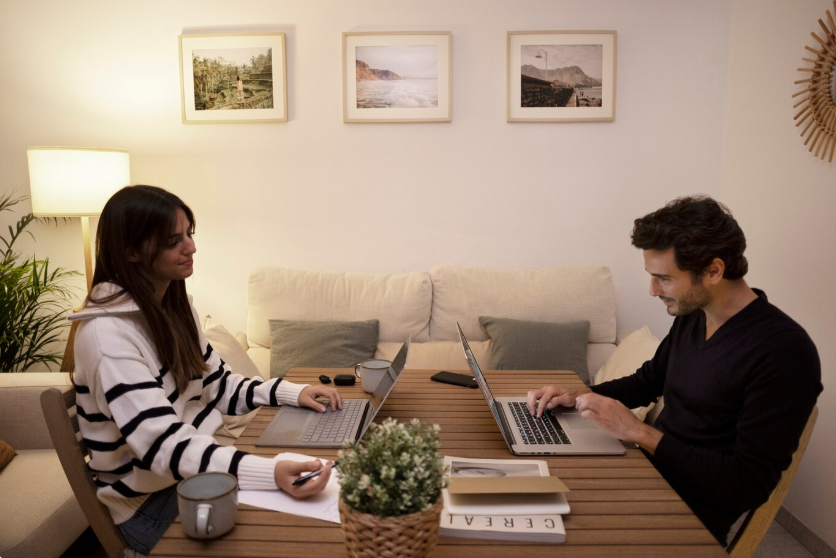
As the world shifts toward more sustainable energy solutions, indoor solar lamps have emerged as an innovative, eco-conscious alternative to traditional lighting. Designed to harness the sun’s energy and convert it into illumination, these lamps offer both practical advantages and environmental benefits. Whether you’re living off-grid, seeking to reduce electricity bills, or simply aiming to live more sustainably, indoor solar lamps provide a smart and efficient lighting option.
This article explores the technology behind indoor solar lamps, their benefits, types, applications, and how to choose the best model for your space.
How Indoor Solar Lamps Work
Indoor solar lamps function by collecting solar energy through photovoltaic (PV) panels placed near windows or on rooftops. These panels convert sunlight into direct current (DC) electricity, which is stored in a rechargeable battery inside the lamp. When the sun goes down or ambient light decreases, the lamp automatically uses the stored energy to provide illumination.
Many indoor solar lamps are equipped with LED bulbs, known for their energy efficiency and long life. Advanced models feature sensors, dimming functions, and even remote control for added convenience.
Benefits of Using Indoor Solar Lamps
Indoor solar lamps offer several compelling advantages that make them an excellent addition to any home, office, or commercial space.
1. Eco-Friendly Lighting
Solar energy is a renewable and clean source of power. By using solar lamps indoors, you’re reducing reliance on grid electricity, which is often generated from fossil fuels. This helps lower your carbon footprint and contributes to a healthier planet.
2. Cost Savings
After the initial investment, indoor solar lamps operate without ongoing electricity costs. Over time, users save a significant amount on utility bills, especially in areas with high energy prices or inconsistent power supply.
3. Energy Independence
Indoor solar lamps are ideal for off-grid living, cabins, or remote locations where conventional electricity is either unavailable or unreliable. With a reliable solar lighting system, users enjoy consistent illumination without needing a power connection.
4. Easy Installation and Mobility
Most indoor solar lamps are easy to set up without the need for electrical wiring. Their portability also allows them to be moved from room to room or used during power outages and emergencies.
5. Low Maintenance
Once installed, solar lamps require minimal maintenance. Occasional cleaning of the solar panel and checking the battery status is usually sufficient to ensure optimal performance.
Types of Indoor Solar Lamps
Indoor solar lamps come in a variety of designs and functionalities to meet diverse lighting needs. Below are the most common types:
1. Solar Desk Lamps
Designed for reading or working, solar desk lamps offer focused lighting and often include adjustable arms, brightness settings, and USB charging ports. They are ideal for students, home offices, or study areas.
2. Wall-Mounted Solar Lamps
These are fixed to interior walls and used for ambient or accent lighting. Wall-mounted lamps often feature motion sensors or timers and can illuminate hallways, staircases, or bedrooms.
3. Ceiling-Mounted Solar Lamps
Though less common indoors, solar ceiling lights can illuminate larger rooms using solar panels placed outside. These systems often have a separate panel connected via cable to the ceiling lamp indoors.
4. Hanging Pendant Lamps
For a stylish and functional solution, solar-powered pendant lamps can hang from the ceiling or hooks. They work well in kitchens, dining areas, and living spaces, adding charm and utility.
5. Portable Solar Lanterns
These are compact, versatile, and rechargeable via solar panels or USB. Perfect for camping, power outages, or travel, they can also serve as regular lighting in remote areas.
Key Features to Look For
When selecting an indoor solar lamp, consider the following features to ensure you choose the right model for your needs:
1. Battery Capacity
A higher-capacity battery provides longer lighting durations. Look for lithium-ion or LiFePO4 batteries for greater efficiency and longevity.
2. Brightness Levels
Measured in lumens, the brightness should match your intended use. A reading lamp may require 300–500 lumens, while ambient lighting needs only 100–200 lumens.
3. Charging Time and Duration
Solar charging time varies depending on the panel size and sunlight availability. A good-quality lamp should fully charge in 6–8 hours and offer at least 8 hours of continuous lighting.
4. Adjustable Light Modes
Many lamps offer multiple brightness settings, color temperatures (warm or cool light), or modes like reading, night light, or emergency.
5. Durability and Design
Choose lamps made with high-quality materials like ABS plastic or aluminum to ensure durability. Sleek, modern designs can enhance your home’s interior aesthetics.
Applications of Indoor Solar Lamps
Indoor solar lamps are not just eco-friendly; they’re incredibly versatile. Here are some of the many settings in which they shine:
1. Homes and Apartments
Solar lamps can replace conventional bulbs in living rooms, bedrooms, kitchens, or bathrooms, especially near windows where panels can charge effectively.
2. Off-Grid Homes and Cabins
In rural or remote areas with limited access to power, solar lamps provide a reliable source of light without fuel or electricity costs.
3. Educational Institutions
Solar desk lamps are used in schools and universities, especially in developing regions, allowing students to study after dark.
4. Emergency Lighting
During power outages, storms, or natural disasters, indoor solar lamps are a lifesaving backup lighting option that doesn’t rely on batteries or the grid.
5. Commercial and Hospitality Use
Restaurants, shops, and guesthouses are increasingly using solar lighting as a way to cut costs and support green branding.
Installation Tips for Optimal Performance

To ensure maximum performance from your indoor solar lamps, follow these tips:
- Place the solar panel in direct sunlight, preferably on a south-facing window or rooftop.
- Keep the solar panels clean and free from dust, snow, or obstructions.
- Regularly check battery health, especially if the light output decreases.
- For rooms with little sunlight, consider indoor solar lamps with external panels connected by wires for more flexible placement.
Pros and Cons at a Glance
| Pros | Cons |
| Environmentally friendly | Depends on sunlight availability |
| Reduces electricity bills | May require external panel setup |
| Easy to install | Limited brightness in low-end models |
| Ideal for emergencies | Longer charging times in cloudy weather |
| Portable and versatile | Initial cost can be higher |
Future of Indoor Solar Lighting
As solar technology continues to improve, indoor solar lamps are becoming more powerful, efficient, and affordable. Innovations such as smart solar systems, integrated solar roofs, and indoor-friendly PV materials will likely revolutionize the way we light our homes.
With increasing emphasis on sustainability and energy conservation, indoor solar lighting is poised to become a mainstream lighting solution for eco-conscious homeowners and businesses alike.
Conclusion
Indoor solar lamps are more than just a green alternative — they are a practical, cost-effective, and stylish lighting solution for modern living. Whether you’re preparing for a more sustainable lifestyle, aiming to reduce your energy expenses, or seeking emergency lighting options, these lamps offer unmatched versatility and reliability.
With an ever-expanding range of designs and features, there’s an indoor solar lamp for every need and every room. By embracing solar lighting, you’re not just illuminating your space — you’re lighting the way toward a cleaner, greener future.


CurlyMe Hair Half Wigs & Crochet Hair For Summer Protective Style
5 Simple CNC Tooling Choices That Improve Shop Efficiency
How Trading Apps Are Shaping the Future of Retail Investing

Migrating from Prometheus to VictoriaMetrics: A Step-by-Step Guide

How Journalists and News Researchers Stay on Top of Multi-Region Coverage in 2026

How Primary 5 Maths Tuition Helps Prevent Careless Math Mistakes
O Level Chemistry Book Excellence: How SAP Helps Students Prepare with Confidence

Low efficiency in small-batch production Smart manufacturing and automation solutions help you cut costs by 30%.

How Technology Has Changed Criminal Investigations

Expert Tips for Achieving Flawless OQ Hair Feather Crochet Hair
O Level Chemistry Book Excellence: How SAP Helps Students Prepare with Confidence
Low efficiency in small-batch production Smart manufacturing and automation solutions help you cut costs by 30%.
How Technology Has Changed Criminal Investigations
How Journalists and News Researchers Stay on Top of Multi-Region Coverage in 2026
Expert Tips for Achieving Flawless OQ Hair Feather Crochet Hair
How Primary 5 Maths Tuition Helps Prevent Careless Math Mistakes
Migrating from Prometheus to VictoriaMetrics: A Step-by-Step Guide
5 Simple CNC Tooling Choices That Improve Shop Efficiency
How Trading Apps Are Shaping the Future of Retail Investing
CurlyMe Hair Half Wigs & Crochet Hair For Summer Protective Style


 Tech2 years ago
How to Use a Temporary Number for WhatsApp
- Business2 years ago
Sepatuindonesia.com | Best Online Store in Indonesia
- Social Media2 years ago
The Best Methods to Download TikTok Videos Using SnapTik
- Technology2 years ago
Top High Paying Affiliate Programs
- Tech1 year ago
Understanding thejavasea.me Leaks Aio-TLP: A Comprehensive Guide
- FOOD2 years ago
How to Identify Pure Desi Ghee? Ultimate Guidelines for Purchasing Authentic Ghee Online

 Instagram4 years ago
Free Instagram Auto Follower Without Login
- Instagram4 years ago
Free Instagram Follower Without Login