
Blog
Pyramid Cube: Unraveling the Mystery of a Fascinating Puzzle

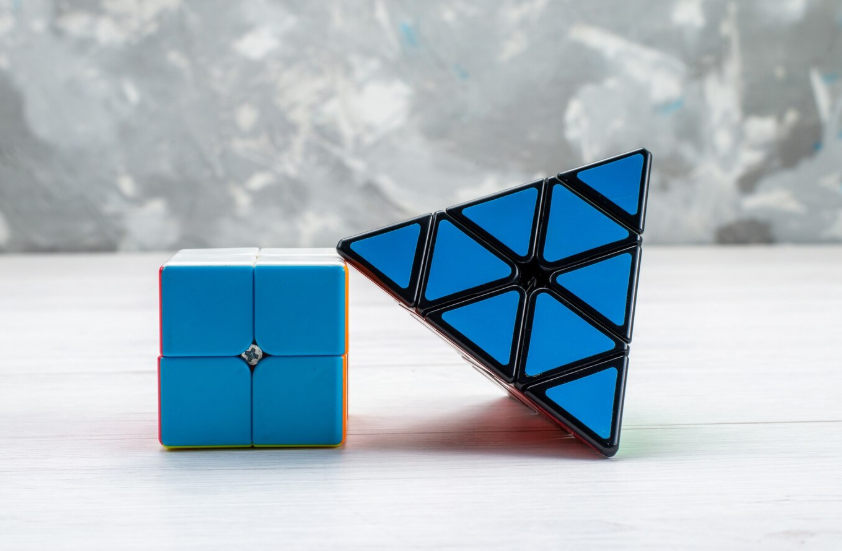
When we talk about puzzles that capture the imagination of millions around the world, the pyramid cube deserves a special place in this conversation. Often recognized by its distinctive tetrahedral shape, this intriguing twisty puzzle challenges the brain like nothing else. Known officially as the Pyraminx and informally as the pyramid cube, it has captivated puzzle solvers for decades, sitting comfortably alongside its cousin, the Rubik’s Cube. Its bright colors, unique rotation mechanism, and satisfying “click” all contribute to its reputation as a must-have puzzle for every enthusiast. Whether you’re a beginner looking for a new hobby or an experienced solver craving a different kind of challenge, the pyramid cube is here to entertain and stretch your mind.
History and Origin of the Pyramid Cube
The pyramid cube wasn’t born overnight. Its history dates back to the early 1970s when German inventor Uwe Mèffert created the first prototype. Initially designed for personal amusement, Mèffert wasn’t sure if the puzzle would gain attention. However, after the Rubik’s Cube exploded into the mainstream, Mèffert decided to introduce his invention to the world. The pyramid cube quickly found its own fanbase, capturing imaginations with its striking shape and relatively easy entry point into twisty puzzles. Unlike the six-faced cube, the pyramid cube offered a different style of rotation around its four corner axes. The puzzle hit toy shelves in the 1980s and has since sold millions of units, becoming a staple in puzzle-solving communities across the globe.
What Makes the Pyramid Cube Unique?
The most striking feature of the pyramid cube is its tetrahedron structure. Unlike standard cube puzzles that rotate along three axes, this puzzle rotates along its four corner vertices. This fundamentally alters the experience of the solve. Beginners often appreciate the pyramid cube for its simpler solutions, which usually require fewer moves than a traditional cube. It also contains fixed centerpieces that simplify the process. The unique axis of rotation means that each face can twist individually without disturbing the other faces too much — a different kind of logic is needed to conquer this puzzle. The vibrant color patterns and lightweight structure also make the pyramid cube stand out as a tactile, visual treat for those who enjoy hands-on puzzles.
How to Solve the Pyramid Cube Step by Step
Solving the pyramid cube is an immensely rewarding process. Beginners will appreciate the straightforward approach, especially if they’ve never tried any twisty puzzles before. The first step is always to align the corner pieces correctly. Every corner on the pyramid cube can rotate in place, making the puzzle less daunting than it looks at first. Once all four corners are properly oriented, the focus moves to aligning the edge pieces.
Edge pieces on a pyramid cube can often be matched color by color by gently twisting each face. Unlike the Rubik’s Cube, where solving a face doesn’t necessarily mean the layer is solved, the pyramid cube lets you visually confirm progress easily. Advanced solvers can use algorithmic sequences for faster solutions. Popular algorithms involve three- or four-move sequences that help to cycle three pieces at a time without disturbing the rest of the puzzle. Even so, most beginners will quickly pick up intuitive solutions that require minimal memorization.
Why Is the Pyramid Cube a Great Puzzle for Beginners?
If you’re new to twisty puzzles, the pyramid cube is a fantastic starting point. Unlike its cubic counterpart, which requires up to 20 moves per face in its scramble, the pyramid cube can often be solved in under 12-15 moves. Its shape provides better grip, making it easier for children and adults alike to rotate without the pieces sticking or popping. Furthermore, the bright sticker or stickerless color schemes make it easier to visually recognize what goes where — a key benefit for people who are more visual than algorithmic in their thought process. The simple mechanism allows faster improvements, so even those who don’t typically enjoy puzzles can appreciate its beauty and clever design.
Pyramid Cube Competitions and Speedsolving Culture
Competitive puzzle solving is more popular than ever, and the pyramid cube enjoys its own spotlight at events sanctioned by the World Cube Association (WCA). Speedsolvers train extensively for these competitions, aiming to complete the pyramid cube in as little as two seconds! Strategies include perfecting finger tricks — specialized rotation techniques that minimize regrips — and memorizing optimal algorithms for every possible case. Speedsolving has created a passionate global community around the pyramid cube, with online forums, video tutorials, and live events fueling the enthusiasm. Whether you aspire to break records or simply improve your personal best, joining this scene can add a social dimension to your pyramid cube adventures.
Pyramid Cube Variants and Modifications
Although the most famous version is the standard Pyraminx — named after its pyramid-like appearance — inventors and companies have created countless variants. Some have more layers, like the Master Pyraminx or Professor Pyraminx, which add complexity and lengthen solve times. Other variations feature different shapes, like the skewb-pyramid combo or glossy metallic versions that give the puzzle a premium look. Custom stickers and tiles, transparent plastic bodies, and even magnetic corner pieces have emerged as serious enhancements that improve the turning experience and visual aesthetic of the puzzle. These variants add new challenges and a sense of personal style to a solver’s collection.
Benefits of Playing with a Pyramid Cube
Beyond entertainment, the pyramid cube offers several benefits for all ages. It exercises both the left and right hemispheres of the brain, training pattern recognition, muscle memory, and logical reasoning. Many educators recommend puzzles like the pyramid cube as a way to encourage patience, perseverance, and resilience in students. It improves fine motor skills as well, especially when finger tricks come into play during speedsolving practice. For adults, the pyramid cube can serve as a stress-relief tool. The rhythmic sound and gentle click of the pieces snapping into place create a soothing, meditative experience that provides a welcome break from screens and schedules.
Choosing the Right Pyramid Cube for You
If you’re looking to buy your first pyramid cube, you have plenty of options. Consider whether you want a classic stickered version or a stickerless one — stickerless puzzles tend to last longer since there are no stickers to wear down or peel. Brands like MoYu, QiYi, and Gan produce high-quality pyramid cubes that suit different skill levels. Beginners might appreciate an affordable, lightweight version with adjustable tension. Competitive solvers often prefer magnetic versions because they snap into place more accurately, allowing for quicker solves and smoother control. Whatever your preference, there’s a pyramid cube model on the market that will fit your style and budget.
Caring for and Maintaining a Pyramid Cube

Once you own a pyramid cube, proper care can extend its lifespan. Avoid exposing it to excessive dust or water, and store it away from direct sunlight to prevent fading colors. Occasionally loosening the puzzle and applying a tiny amount of silicone lubricant will keep it spinning like new. Some solvers even disassemble their puzzles entirely for deep cleaning, removing debris and wiping down each piece. Treating your pyramid cube properly will keep it an enjoyable part of your puzzle collection for years.
Conclusion
In the end, the pyramid cube isn’t just another puzzle — it’s a compact adventure packed into a delightful geometric shape. Its rich history, intuitive solve path, and distinctive design make it accessible for all skill levels. Whether you want a light mental challenge, a collectible with aesthetic charm, or a competitive sport that engages hands and mind together, the pyramid cube fits the bill perfectly. Affordable, portable, and endlessly rewarding, this tetrahedral puzzle proves that great puzzles don’t need to be complicated to leave a lasting impression. If you haven’t already, it’s time to pick one up, scramble the faces, and discover the satisfaction of bringing order to this timeless twisty classic.

Understanding AI Agent Architecture: From Automation to Autonomous Intelligence

How DMCA Ignored Hosting Help Adult Content Sites?

Other Alternatives to the Bigbunny Login Casino
Web UI Design Services, Custom Web App Development, or Local Product Design: Where to Start

Type-C to C vs Type A to Type C Cable: What’s the Difference?

How Executive Search Software Selects and Manages Senior Leadership Candidates

Data Science Course in Pune with Placement Support: From Classroom Training to Your First Job

Ethical Hacking Courses in Mumbai with Placement: Institutes, Duration, Fees & Jobs 2026

Best Micro Influencer Agency Singapore: Why Micro Beats Macro for Conversion

What Makes a Crypto Exchange Top-Rated? Understanding the Ranking Criteria
Web UI Design Services, Custom Web App Development, or Local Product Design: Where to Start
How Executive Search Software Selects and Manages Senior Leadership Candidates
Other Alternatives to the Bigbunny Login Casino
Type-C to C vs Type A to Type C Cable: What’s the Difference?
How DMCA Ignored Hosting Help Adult Content Sites?
Understanding AI Agent Architecture: From Automation to Autonomous Intelligence


 Tech2 years ago
How to Use a Temporary Number for WhatsApp
- Business3 years ago
Sepatuindonesia.com | Best Online Store in Indonesia
- Social Media2 years ago
The Best Methods to Download TikTok Videos Using SnapTik
- Technology2 years ago
Top High Paying Affiliate Programs
- Tech2 years ago
Understanding thejavasea.me Leaks Aio-TLP: A Comprehensive Guide
- FOOD2 years ago
How to Identify Pure Desi Ghee? Ultimate Guidelines for Purchasing Authentic Ghee Online

 Instagram4 years ago
Free Instagram Auto Follower Without Login
- Instagram4 years ago
Free Instagram Follower Without Login