
Blog
Viltnemnda Explained: Local Wildlife Management in Norway

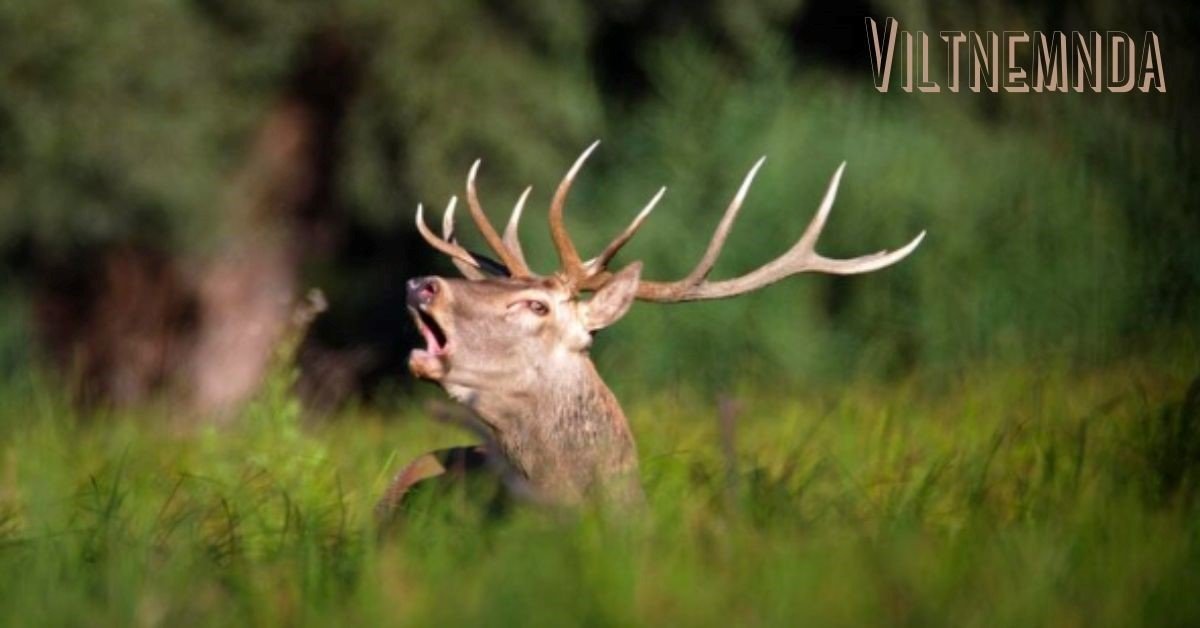
Wildlife management in Norway is not handled only by distant authorities. Much of the real, on-the-ground decision-making happens locally through a body known as viltnemnda. If you have ever wondered how hunting rules are applied, how wildlife conflicts are resolved, or who balances conservation with local needs, this system sits at the center of it all. Understanding how it works gives valuable insight into how Norway manages nature in a practical, community-focused way.
Viltnemnda and Its Role in Local Governance
Viltnemnda is a municipal wildlife committee that operates at the local level in Norway. It is appointed by the municipal council and serves as a bridge between national wildlife policy and everyday realities in towns and rural areas. Instead of one-size-fits-all rules, this system allows decisions to reflect local ecosystems, traditions, and challenges.
What makes this approach effective is proximity. Committee members often live in the same areas affected by wildlife decisions. They understand migration patterns, seasonal pressures, and conflicts with farming or traffic. That lived knowledge shapes more realistic decisions than policies made far away from forests, fields, and mountain valleys.
Local governance also creates accountability. When decisions affect neighbors, dialogue becomes essential. Hunters, landowners, and residents know who represents them, which builds trust. That trust is a key reason why wildlife regulations in Norway are generally respected and followed without constant enforcement pressure.
Read More: Ancient Artz: Exploring Timeless Creativity Across Civilizations
How Members Are Appointed and What They Represent
Members of a viltnemnda are selected by the municipal council, usually after local elections. Political balance often plays a role, but practical experience matters just as much. Many members have backgrounds in hunting, forestry, agriculture, or environmental work, which helps ground decisions in real-world understanding.
Representation is not only political but social. A strong committee reflects different interests within the community. Farmers concerned about crop damage, hunters focused on sustainable harvests, and conservation-minded citizens all bring perspectives that shape balanced outcomes. This mix reduces the risk of extreme or one-sided decisions.
Appointment periods are limited, which keeps the system fresh. New members bring new insights, while experienced ones provide continuity. Over time, this rotation helps the committee adapt to changing wildlife populations, climate conditions, and evolving attitudes toward nature and animal welfare.
Decision-Making in Wildlife and Hunting Management
One of the most visible tasks of viltnemnda involves hunting management. The committee plays a role in setting quotas, approving hunting plans, and ensuring that harvest levels remain sustainable. These decisions are based on population data, local observations, and guidelines from national authorities.
The process is rarely rushed. Discussions often involve data review, field knowledge, and consultation with stakeholders. This careful approach helps avoid overhunting while still allowing communities to benefit from traditional hunting practices that provide food, income, and cultural continuity.
Why this matters becomes clear during years of population fluctuation. Harsh winters or disease outbreaks require flexible responses. Local committees can react faster than centralized systems, adjusting recommendations to protect wildlife while minimizing long-term damage to ecosystems and livelihoods.
Balancing Conservation and Human Interests
Wildlife does not exist in isolation from people. Moose damaging forests, deer causing traffic accidents, or predators threatening livestock all create tension. Viltnemnda operates in this space, where ecological goals and human safety intersect daily.
The committee’s role is not to favor one side blindly. Instead, it evaluates evidence and consequences. Sometimes that means supporting protective measures for animals. Other times, it means approving population control to reduce harm. The credibility of the system depends on showing that both nature and people matter.
This balance is why local input is so important. A solution that works in one region may fail in another. By adapting strategies to local conditions, the committee helps reduce conflict and builds acceptance for difficult decisions that might otherwise face strong resistance.
Conflict Resolution and Public Involvement
Disagreements around wildlife can become emotional. Crops destroyed, pets injured, or livelihoods threatened all raise strong reactions. Viltnemnda often serves as a first point of contact when these conflicts arise, offering structured dialogue instead of escalation.
Public involvement plays a key role here. Meetings, consultations, and transparent communication allow residents to understand why decisions are made. Even when people disagree with outcomes, knowing the reasoning behind them reduces frustration and suspicion toward authorities.
This openness also improves decision quality. Locals often share observations that official data misses. Tracks, sightings, and seasonal changes reported by residents can influence outcomes. When people feel heard, they are more likely to cooperate with regulations and report issues early.
Relationship with National Wildlife Authorities
Although viltnemnda operates locally, it does not act alone. Its work aligns with national wildlife laws and guidelines set by central authorities. This structure ensures consistency while still allowing flexibility in how rules are applied on the ground.
National agencies provide frameworks, research, and legal boundaries. Local committees interpret and apply them based on regional conditions. This division of roles prevents chaos while avoiding overly rigid control that ignores local realities.
The relationship works best when communication flows both ways. Local experiences inform national policy development, while national research strengthens local decisions. Together, they create a system where policy is informed by practice rather than theory alone.
Why the System Matters for the Future
Climate change, land use shifts, and changing public attitudes are reshaping wildlife management. Systems that rely only on centralized decisions often struggle to adapt quickly. Viltnemnda offers a model built on flexibility, local knowledge, and shared responsibility.
As species move into new areas and conflicts increase, local committees can respond in real time. This adaptability reduces long-term damage and prevents small issues from becoming major crises. It also supports sustainable use of wildlife resources rather than strict preservation or unchecked exploitation.
For future generations, this matters deeply. Effective local management helps ensure that wildlife remains part of Norwegian landscapes, culture, and economy. Without such systems, both nature and community trust could erode over time.
Conclusion
Viltnemnda represents a practical approach to wildlife management that values local knowledge, shared responsibility, and balanced decision-making. By operating close to the communities affected, it turns abstract policies into workable solutions. This system shows that sustainable wildlife management is not only about rules, but about people, place, and trust working together over the long term.
Read More: Ancient Artz: Exploring Timeless Creativity Across Civilizations


How Industrial LED Strip Light Suppliers Support Heavy-Duty Projects

Valxye Meaning, Usage, and Online Presence

Torssfa: Meaning, Usage, and Online Presence

Mymangareading: Meaning, Usage, and Online Presence

Mangu.ddns: Meaning, Usage, and Online Presence

IDPimp: Meaning, Usage, and Online Presence

Goldplaypot.com: Meaning, Usage, and Online Presence

Brokensilense: Meaning, Usage, and Online Presence

Meaningful Birthstone Rings and Timeless Pearl Rings from IverJewelry
Glitter Bomb THCa Flower: A Deep Dive Into One of the Triangle’s Most Loved Strains

Comprehensive Financial Retirement Planning for Seniors

apicychat Guide to Meaningful AI Conversations

Skmpcity Platform Overview for Practical User Insight

Wedding: A Celebration of Love, Commitment, and New Beginnings

Zoix18 Explained: Meaning, Uses, and Real Value

Techitl Explained: Meaning, Purpose, and Digital Relevance

dikganes Explained: Meaning, Usage, and Digital Significance

spabkbabg Explained: Meaning, Context, and Use

Jememintre: Meaning, Uses, and Real-World Relevance

Torssfa Info Explained: Meaning, Use, and Online Relevance
How Industrial LED Strip Light Suppliers Support Heavy-Duty Projects
Valxye Meaning, Usage, and Online Presence
Torssfa: Meaning, Usage, and Online Presence

How to Use a Temporary Number for WhatsApp

Sepatuindonesia.com | Best Online Store in Indonesia

The Best Methods to Download TikTok Videos Using SnapTik
-
 Tech1 year ago
How to Use a Temporary Number for WhatsApp
-
 Business2 years ago
Sepatuindonesia.com | Best Online Store in Indonesia
-
 Social Media2 years ago
The Best Methods to Download TikTok Videos Using SnapTik
-

 Technology2 years ago
Top High Paying Affiliate Programs
-

 Tech12 months ago
Understanding thejavasea.me Leaks Aio-TLP: A Comprehensive Guide
-

 FOOD1 year ago
How to Identify Pure Desi Ghee? Ultimate Guidelines for Purchasing Authentic Ghee Online
-
 Instagram3 years ago
Free Instagram Auto Follower Without Login
-
 Instagram3 years ago
Free Instagram Follower Without Login