
Blog
Unhealthcare: Understanding the Global Healthcare Crisis

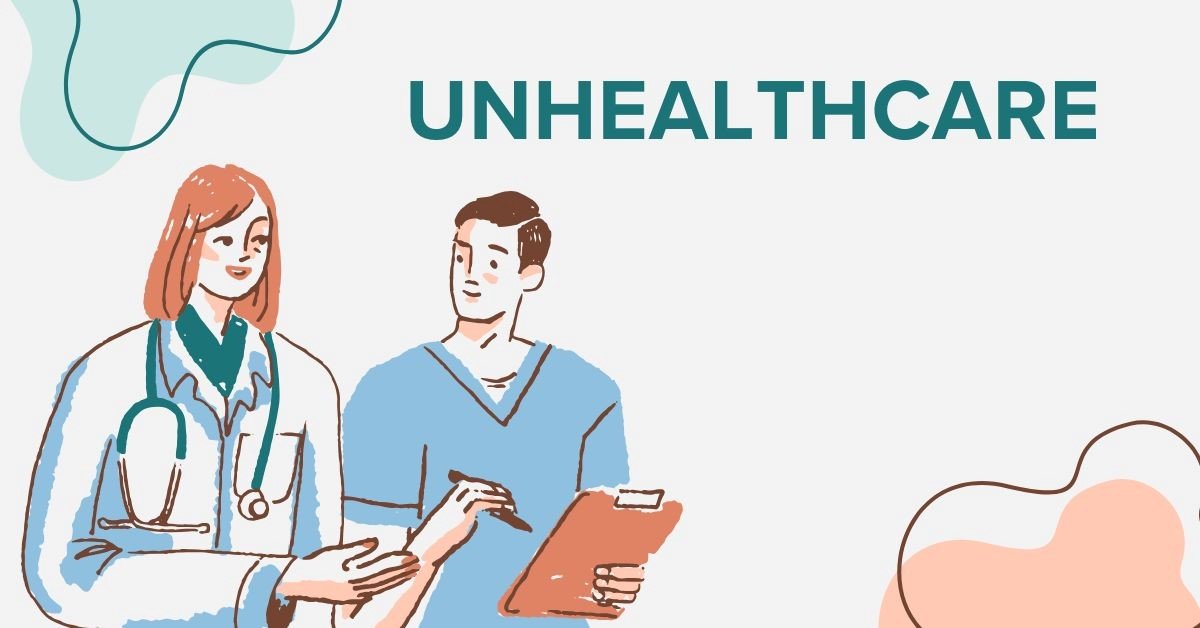
Unhealthcare refers to failures within healthcare systems that leave populations underserved, exposed to preventable diseases, or facing poor-quality medical services. It is a growing concern globally, affecting both developing and developed nations. From long hospital wait times to insufficient resources and mismanagement, unhealthcare undermines public trust and threatens societal well-being.
Causes of Unhealthcare Systems
Several factors contribute to unhealthcare. Chronic underfunding, lack of trained professionals, outdated infrastructure, and bureaucratic inefficiencies often plague healthcare systems. In some regions, political instability or corruption further diverts resources away from patient care, creating systemic weaknesses that compromise treatment quality.
Read More: Tahhiini: History, Health Benefits, and Culinary Uses
Impact on Patients
Patients bear the brunt of unhealthcare. Delayed diagnosis, mismanaged treatments, and limited access to essential medicines increase morbidity and mortality rates. Vulnerable groups such as children, the elderly, and low-income communities are disproportionately affected, often facing barriers that prevent them from receiving timely and adequate care.
Economic Consequences of Poor Healthcare
Unhealthcare imposes significant economic burdens. Increased absenteeism, reduced productivity, and rising medical costs strain families and national economies. When citizens cannot access preventive care, chronic conditions worsen, leading to higher hospitalization rates and financial instability for both individuals and governments.
Political and Policy Failures
Policy failures are a key contributor to unhealthcare. Governments that prioritize short-term political gains over long-term health investments often see declining system efficiency. Poor planning, lack of regulation, and insufficient oversight result in misallocation of funds, hospital overcrowding, and substandard care facilities.
Access Inequality in Healthcare
Healthcare inequality exacerbates unhealthcare, creating gaps between urban and rural populations, rich and poor communities, and different ethnic or social groups. Geographic isolation, cultural barriers, and economic disparities prevent equal access, leaving marginalized populations more vulnerable to illness and poor treatment outcomes.
Quality of Care and Medical Errors
Poor-quality care and medical errors are hallmarks of unhealthcare. Insufficient training, lack of standard protocols, and outdated equipment increase the risk of misdiagnosis, surgical mistakes, and preventable complications. Such errors erode patient confidence and may result in lifelong health consequences.
Mental Health Neglect
Mental health is often overlooked in unhealthcare systems. Limited funding, social stigma, and lack of specialized professionals contribute to underdiagnosis and inadequate treatment. Mental health crises not only affect individual well-being but also increase the burden on general healthcare systems.
Technology Gaps in Healthcare
Modern healthcare relies on technology for diagnostics, treatment planning, and patient monitoring. Unhealthcare systems often lack access to digital health records, telemedicine, and advanced diagnostic tools, reducing efficiency and increasing the likelihood of errors. Technology gaps are especially pronounced in low-income countries.
Global Comparisons and Case Studies
Countries such as the United States, India, and parts of Africa show varying degrees of unhealthcare challenges. High-income nations may face cost-related barriers and inefficiency, while low-income countries struggle with resource shortages and access inequality. Studying these differences helps identify strategies for reform and improvement.
Role of Insurance in Unhealthcare
Inadequate or inaccessible health insurance worsens unhealthcare. Without coverage, patients avoid preventive care, delay treatment, or face catastrophic medical bills. Insurance systems that fail to protect vulnerable populations contribute to poor outcomes and deepen existing health disparities.
Public Awareness and Education
Public awareness is vital to combat unhealthcare. Educating communities about preventive care, healthy lifestyles, and early treatment encourages better health outcomes. Lack of awareness leads to misuse of healthcare resources and higher rates of preventable diseases.
Solutions to Improve Healthcare Systems
Addressing unhealthcare requires comprehensive reforms, including increased funding, efficient resource allocation, workforce training, and infrastructure modernization. Emphasizing preventive care, telemedicine, and patient-centered policies can significantly improve access, quality, and overall healthcare efficiency.
Role of Government and NGOs
Governments and non-governmental organizations (NGOs) play a pivotal role in reducing unhealthcare. Policy reforms, funding initiatives, awareness campaigns, and international aid programs can enhance healthcare delivery. Collaboration between public and private sectors is crucial to ensure sustainable and equitable healthcare solutions.
Conclusion
Unhealthcare is a multifaceted crisis affecting millions worldwide, from inadequate access to substandard quality of care. Addressing it requires coordinated efforts by governments, healthcare professionals, NGOs, and communities. By investing in infrastructure, education, and policy reform, societies can move toward inclusive, effective, and sustainable healthcare systems..
Read More: Unlocking Wellness with Advice TimesHealthMag Guide
FAQs
1. What is unhealthcare?
Unhealthcare refers to failures and inefficiencies in healthcare systems that compromise patient care.
2. Which factors contribute to unhealthcare?
Factors include underfunding, policy failures, lack of trained staff, and unequal access.
3. How does unhealthcare affect patients?
It leads to delayed treatment, misdiagnoses, poor outcomes, and higher mortality rates.
4. Can technology help reduce unhealthcare?
Yes, modern tools like telemedicine and digital health records improve efficiency and accuracy.
5. What role do governments play in addressing unhealthcare?
Governments can implement reforms, allocate resources, and ensure equal access to healthcare services.


Templesca Explained: Meaning, Use, and Real Value

Snowhiter Meaning: Understanding Its Use and Relevance

Porpenpelloz Explained: Meaning, Use, and Real Value

Nidixfun Meaning: Exploring Its Use and Real-World Value

Lexoworpenz: Understanding Its Meaning and Real Use

Kleptotoxicity Explained: How Organisms Steal Chemical Defense

ASX1.com Overview: What It Is and Why It Matters

How Industrial LED Strip Light Suppliers Support Heavy-Duty Projects

Valxye Meaning, Usage, and Online Presence

Torssfa: Meaning, Usage, and Online Presence

Comprehensive Financial Retirement Planning for Seniors

apicychat Guide to Meaningful AI Conversations

Skmpcity Platform Overview for Practical User Insight

Wedding: A Celebration of Love, Commitment, and New Beginnings

Zoix18 Explained: Meaning, Uses, and Real Value

dikganes Explained: Meaning, Usage, and Digital Significance

Techitl Explained: Meaning, Purpose, and Digital Relevance

Jememintre: Meaning, Uses, and Real-World Relevance

spabkbabg Explained: Meaning, Context, and Use

Torssfa Info Explained: Meaning, Use, and Online Relevance
Templesca Explained: Meaning, Use, and Real Value
Snowhiter Meaning: Understanding Its Use and Relevance
Porpenpelloz Explained: Meaning, Use, and Real Value

How to Use a Temporary Number for WhatsApp

Sepatuindonesia.com | Best Online Store in Indonesia

The Best Methods to Download TikTok Videos Using SnapTik
-
 Tech1 year ago
How to Use a Temporary Number for WhatsApp
-
 Business2 years ago
Sepatuindonesia.com | Best Online Store in Indonesia
-
 Social Media2 years ago
The Best Methods to Download TikTok Videos Using SnapTik
-

 Technology2 years ago
Top High Paying Affiliate Programs
-

 Tech12 months ago
Understanding thejavasea.me Leaks Aio-TLP: A Comprehensive Guide
-

 FOOD1 year ago
How to Identify Pure Desi Ghee? Ultimate Guidelines for Purchasing Authentic Ghee Online
-
 Instagram3 years ago
Free Instagram Auto Follower Without Login
-
 Instagram3 years ago
Free Instagram Follower Without Login