
Blog
Inside the World of Tortellinatrice: Mastering Pasta Craft

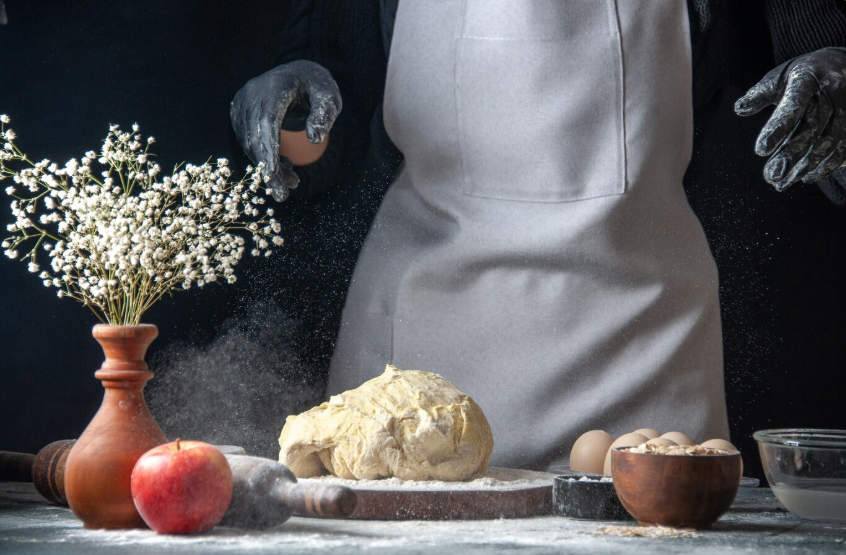
The world of pasta is filled with history, tradition, and craftsmanship. Among the most iconic Italian pasta varieties is tortellini — the small, ring-shaped pasta stuffed with rich fillings. Behind the consistent production of this beloved dish stands an innovative piece of culinary equipment: the tortellinatrice. This specialized machine is designed for the efficient and uniform production of tortellini, ensuring that both artisanal and industrial pasta makers can meet demand without compromising on quality.
In this article, we explore the role, mechanics, history, and applications of the tortellinatrice, showcasing how it bridges the gap between tradition and technology in the pasta-making industry.
What Is a Tortellinatrice?
A tortellinatrice is a machine specifically engineered to automate the creation of tortellini. It shapes, fills, and seals the pasta with remarkable precision. While originally invented for industrial use, smaller models are now available for restaurants and artisanal pasta producers.
The machine mimics the manual gestures traditionally used to make tortellini, preserving the authentic shape and texture while increasing output. A typical tortellinatrice allows for customizable settings, adjusting dough thickness, filling volume, and sealing pressure.
History of Tortellini and the Machine That Reimagined It
Tortellini dates back to the Emilia-Romagna region of Italy, particularly the city of Bologna. Legend says tortellini was inspired by the navel of Venus, and its delicate shape has long been a symbol of Italian culinary artistry.
With increasing demand for tortellini during the 20th century, pasta producers needed a method to maintain quality while scaling production. The first tortellinatrice was developed in the post-war era, during a time of rapid industrialization in Italy. These machines allowed producers to replicate traditional hand techniques on a larger scale, helping Italian pasta reach global markets.
How the Tortellinatrice Works
The functionality of the tortellinatrice combines mechanical engineering and food science. Here’s a breakdown of its operation:
Dough Feeding
The dough, typically made of flour and eggs, is fed into the machine in sheet form. Rollers press it into the desired thickness before it moves to the forming section.
Filling Injection
A hopper is loaded with the desired filling — usually a mix of meats, cheeses, or vegetables. The machine accurately portions the filling into each pasta shape.
Folding and Sealing
As the dough moves along the conveyor, the machine folds it into the traditional ring shape and seals the edges using calibrated pressure. This process imitates the pinch-and-fold action of hand-making tortellini.
Cutting and Output
Once sealed, the tortellini are cut and separated. Depending on the model, the output may be collected manually or conveyed into a freezing or drying system for preservation.
Types of Tortellinatrice Machines
There are several types of tortellinatrice machines, each suited for different scales of operation:
Industrial Tortellinatrice
These large, high-speed machines are designed for mass production. They can produce thousands of tortellini per hour and are often integrated into automated pasta production lines with drying, freezing, and packaging capabilities.
Artisan or Semi-Automatic Tortellinatrice
Smaller businesses and gourmet pasta shops often use semi-automatic versions. These allow for more control and customization while still boosting production efficiency.
Home-Use Tortellinatrice
Although rare, compact versions have entered the consumer market. They are typically manual or electric and require some level of user interaction to shape the tortellini.
Advantages of Using a Tortellinatrice
The adoption of the tortellinatrice offers several benefits to pasta producers and chefs alike:
Consistency in Shape and Size
One of the biggest advantages is the uniformity it provides. Unlike handmade tortellini, where size can vary, the machine ensures each piece is identical in form.
Time and Labor Efficiency
A single tortellinatrice can replace the labor of multiple workers, significantly reducing production time. This is particularly valuable in high-demand environments.
Hygiene and Food Safety
Modern machines are designed with stainless steel components and easy-to-clean surfaces, ensuring compliance with health and safety regulations.
Customization
With adjustable settings for dough thickness, filling quantity, and shape, pasta makers can tailor products to regional preferences or unique recipes.
Challenges and Limitations
While the tortellinatrice offers many benefits, there are also limitations:
Loss of Handcrafted Charm
Some purists argue that machine-made tortellini lack the soul and artisanal quality of handmade versions. While machines replicate the shape, they may miss subtle textures created by hand.
High Initial Investment
Advanced tortellinatrice machines can be expensive. Small businesses may struggle with the upfront cost, even if the investment pays off in the long term.
Maintenance Requirements
As with any mechanical device, regular maintenance is required to ensure optimal performance. Food-grade lubricants, blade sharpening, and cleaning protocols are essential.
The Role of Tortellinatrice in Modern Pasta Businesses
In today’s culinary landscape, the tortellinatrice plays a key role in balancing tradition with innovation. Artisanal brands use it to scale their operations while preserving their recipes. Gourmet restaurants may employ semi-automated versions to prepare fresh pasta daily without exhausting staff.
Large pasta manufacturers depend on industrial models to produce consistent, high-volume products for global export. The machine has allowed Italian cuisine to extend its reach far beyond its homeland, bringing authentic tortellini to tables around the world.
Innovations in Tortellinatrice Technology
Advancements in automation and AI are now making their way into pasta-making machines. Modern tortellinatrice models include:
Digital Interfaces
Touchscreens allow operators to fine-tune settings and monitor performance in real-time.
Smart Filling Sensors
These sensors detect the density of fillings and adjust pressure accordingly, ensuring no leakage or overfilling.
Modular Designs
Some models now offer modular construction, enabling easy swapping of molds and components to make other pasta shapes like ravioli or cappelletti.
Energy Efficiency
Eco-friendly models use less electricity and generate minimal waste, aligning with the global push for sustainable food production.
Choosing the Right Tortellinatrice
When selecting a tortellinatrice, several factors must be considered:
Production Volume
Larger producers will need high-output machines, while smaller businesses might favor semi-automatic models.
Type of Filling
Machines differ in how they handle various fillings. Meat-based fillings require sturdier mechanisms compared to soft cheeses or vegetables.
Customization Needs
Some operations may require the ability to change shapes or adjust parameters frequently, making flexibility a key concern.
Budget
Cost remains a deciding factor. While high-end models offer superior functionality, budget models may suffice for modest operations.
Maintenance and Cleaning Guidelines
Maintaining a tortellinatrice ensures it lasts for years and operates safely:
- Daily cleaning after use with food-safe detergents.
- Weekly inspections for blade sharpness and belt tension.
- Monthly lubrication of moving parts with food-grade oil.
- Annual servicing by trained technicians to prevent long-term wear.
Proper maintenance not only improves hygiene but also reduces operational downtime.
Tortellinatrice and the Future of Culinary Automation

As food production becomes more technologically advanced, the tortellinatrice stands at the crossroads of automation and artisanry. Future iterations may include 3D pasta printing, robotic arms, and AI learning to perfect texture and shape in ways that even trained chefs might struggle with.
This blend of machine precision and culinary creativity represents the next chapter in global gastronomy. As consumer demand for high-quality, ethically produced food grows, tools like the tortellinatrice help deliver excellence on a consistent and scalable level.
Conclusion
The tortellinatrice is more than just a pasta-making machine — it’s a symbol of how tradition can evolve through innovation. By automating the intricate process of making tortellini, it allows chefs and manufacturers to produce large quantities without sacrificing quality. Whether in the hands of a master chef or within a bustling factory line, the tortellinatrice ensures that every bite of tortellini retains the heritage and heart of Italian cuisine. As the food industry continues to grow, this unassuming machine will remain a crucial ally in the pursuit of perfection, tradition, and taste — one tortellino at a time.


Templesca Explained: Meaning, Use, and Real Value

Snowhiter Meaning: Understanding Its Use and Relevance

Porpenpelloz Explained: Meaning, Use, and Real Value

Nidixfun Meaning: Exploring Its Use and Real-World Value

Lexoworpenz: Understanding Its Meaning and Real Use

Kleptotoxicity Explained: How Organisms Steal Chemical Defense

ASX1.com Overview: What It Is and Why It Matters

How Industrial LED Strip Light Suppliers Support Heavy-Duty Projects

Valxye Meaning, Usage, and Online Presence

Torssfa: Meaning, Usage, and Online Presence

Comprehensive Financial Retirement Planning for Seniors

apicychat Guide to Meaningful AI Conversations

Wedding: A Celebration of Love, Commitment, and New Beginnings

Skmpcity Platform Overview for Practical User Insight

Zoix18 Explained: Meaning, Uses, and Real Value

dikganes Explained: Meaning, Usage, and Digital Significance

Techitl Explained: Meaning, Purpose, and Digital Relevance

Jememintre: Meaning, Uses, and Real-World Relevance

spabkbabg Explained: Meaning, Context, and Use

Pirntn Explained: Meaning, Use, and Real Value
Templesca Explained: Meaning, Use, and Real Value
Snowhiter Meaning: Understanding Its Use and Relevance
Porpenpelloz Explained: Meaning, Use, and Real Value

How to Use a Temporary Number for WhatsApp

Sepatuindonesia.com | Best Online Store in Indonesia

The Best Methods to Download TikTok Videos Using SnapTik
-
 Tech1 year ago
How to Use a Temporary Number for WhatsApp
-
 Business2 years ago
Sepatuindonesia.com | Best Online Store in Indonesia
-
 Social Media2 years ago
The Best Methods to Download TikTok Videos Using SnapTik
-

 Technology2 years ago
Top High Paying Affiliate Programs
-

 Tech12 months ago
Understanding thejavasea.me Leaks Aio-TLP: A Comprehensive Guide
-

 FOOD1 year ago
How to Identify Pure Desi Ghee? Ultimate Guidelines for Purchasing Authentic Ghee Online
-
 Instagram3 years ago
Free Instagram Auto Follower Without Login
-
 Instagram3 years ago
Free Instagram Follower Without Login