
Blog
Tech Pets for the Elderly: A Hopeful and Enjoyable Alternative

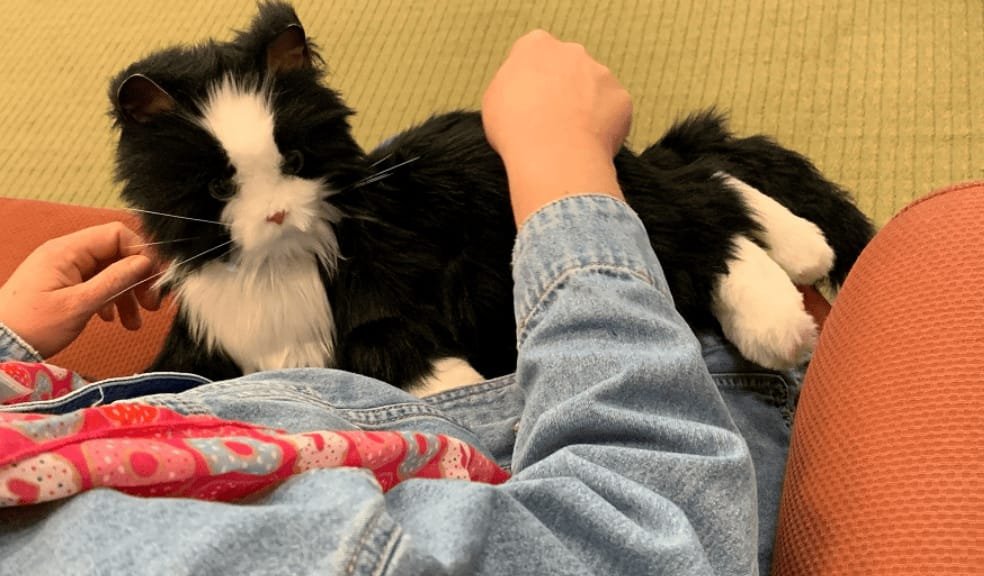
As people age, companionship becomes increasingly vital to maintaining emotional well-being and quality of life. For many seniors, especially those living alone or in care facilities, pets have long served as loyal friends, providing comfort, purpose, and joy.
Yet, the practicalities of traditional pet ownership-feeding, grooming, walking, and medical care-can become overwhelming or even impossible for some older adults. In recent years, an innovative solution has emerged: robotic pets.
These lifelike companions offer many of the emotional benefits of real animals without the associated burdens, making them a hopeful and enjoyable alternative, particularly for elderly individuals and those living with conditions like Alzheimer’s disease.
The Value of Companionship for the Elderly
Why Pets Matter
Loneliness and social isolation are significant risks for older adults, contributing to depression, cognitive decline, and even increased mortality. Traditional pets- dogs, cats, birds -have been shown to alleviate loneliness, reduce stress, and encourage physical activity.
Caring for a pet can instill a sense of routine and responsibility, while the unconditional affection that animals provide helps mitigate feelings of abandonment or sadness.
However, as mobility decreases and health issues arise, many seniors are forced to give up their beloved animals or are unable to adopt new ones. Allergies, fear of falls, and the cost of veterinary care are just a few of the barriers that can make pet ownership impractical or unsafe.
Robotic Pets: A Modern Solution
What Are Robotic Pets?
Robotic pets are sophisticated, interactive devices designed to mimic the appearance, movements, and sounds of real animals. Unlike simple stuffed toys, these robots are equipped with sensors that enable them to respond to touch, sound, and sometimes even light or speech.
When petted or spoken to, they may purr, bark, wag their tails, turn their heads, or nuzzle their “owners”. Some models even simulate a heartbeat, further enhancing the sense of realism.
Types of Robotic Pets Available
The market for robotic pets has expanded rapidly, offering a range of options to suit different preferences and needs:
- Robotic Cats and Dogs: The most popular choices, such as the Joy for All™ Companion Pets, respond to touch and sound, purr or bark, move their heads, and wag their tails. These are especially popular in care homes due to their approachable design and ease of use.
- Robotic Seals: The PARO robotic seal, an FDA-approved biofeedback device, is widely used in dementia care. It responds to touch, light, sound, and posture, and can recognize voices and basic words.
| Model | Type | Features | Price (USD) |
| Joy for All™ Cat/Dog | Cat/Dog | Touch, sound, movement, purring/barking | $150 |
| PARO Seal | Seal | Touch, light, sound, posture sensors | $6,000+ |
| MetaCat | Cat | Touch, sound, movement, purring/barking | $190 |
Benefits of Robotic Pets for the Elderly
Emotional Support and Companionship
Robotic pets provide consistent, nonjudgmental companionship. For seniors who have lost loved ones or live far from family, these pets offer a comforting presence that can alleviate feelings of isolation and loneliness. Their lifelike responses, such as purring, tail wagging, and head movements, create engaging interactions that feel meaningful and real.
Stress Reduction and Mental Well-being
Interacting with robotic pets has been shown to reduce stress and anxiety. The simple act of stroking a robotic cat or dog can trigger the release of endorphins and lower cortisol levels, promoting relaxation and a sense of calm. Studies have found that these interactions can decrease agitation, especially in individuals with dementia, and reduce the need for psychoactive and pain medications.
Therapeutic Benefits for Dementia and Alzheimer’s Sufferers
Robotic pets are particularly beneficial for individuals with Alzheimer’s disease and other forms of dementia. These patients often experience agitation, depression, and behavioral disturbances. Research indicates that regular interaction with robotic pets can:
- Reduce agitation and anxiety
- Improve mood and appetite
- Increase social interaction and communication
- Decrease depression and feelings of loneliness
- Enhance quality of life by providing comfort and a sense of purpose
One study found that the use of the PARO robotic seal led to significant reductions in behavioral and psychological symptoms of dementia, including agitation and depression, as well as decreased use of psychoactive medications and painkillers. Another review showed that robotic pets improved social behavior, mood, and even appetite after six months of use in elderly populations.
Ease of Care and Accessibility
Unlike live animals, robotic pets require no feeding, walking, or medical attention. They are easy to clean and pose no risk of allergies, bites, or falls. This makes them ideal for seniors who may lack the physical or cognitive capacity to care for a traditional pet but still crave the emotional connection.
Support for Caregivers
Robotic pets can also ease the burden on caregivers. “By calming agitated patients and providing distraction or comfort, these devices can make daily care tasks, such as administering medication or assisting with hygiene, less stressful for both the caregiver and the patient,” Kay Saffe, a Licensed Professional Clinical Counselor, elaborates. Caregivers often report feeling less helpless and more hopeful when a robotic pet helps soothe their loved one.
Positive Social Impact
Robotic pets can serve as conversation starters and foster social interaction in group settings, such as nursing homes or assisted living facilities. Their presence often encourages residents to engage with one another, share stories about past pets, and participate in group activities centered around the robotic animals. This increased socialization can have a significant positive impact on overall mental health and community cohesion.
The Psychological Impact: Evidence and Testimonials
Research Findings
A growing body of research supports the psychological benefits of robotic pets for the elderly:
- Reduced Loneliness: Multiple studies have shown that robotic pets can significantly decrease feelings of loneliness and isolation, particularly among nursing home residents and those with dementia.
- Improved Mood: Interaction with robotic pets has been linked to increased expressions of joy, laughter, and relaxation, as well as reduced symptoms of depression.
- Enhanced Communication: In group settings, robotic pets have improved communication and cooperation among participants, therapists, and staff.
- Decreased Medication Use: Studies report a reduction in the use of psychoactive and pain medications among elderly adults with dementia who regularly interact with robotic pets.
Anecdotal Evidence
Family members and caregivers frequently observe positive changes in their loved ones after introducing robotic pets. One caregiver reported that her mother, hospitalized for a serious illness, found comfort and calm in her robotic pet, which also facilitated interaction with hospital staff.
Another study noted “moments of joy, reduced feelings of loneliness, and more opportunities for connecting with something outside oneself” among dementia patients using robotic cats.
Limitations and Considerations
While robotic pets offer numerous benefits, they are not a perfect substitute for live animals. Some individuals may find them cold or impersonal, and not everyone responds positively to their presence. Additionally, the initial cost of high-end models may be prohibitive for some families or care facilities.
It is also important to consider individual preferences- some people are “cat people,” others prefer dogs, and some may not want any animal presence at all. Personalization and choice are key to maximizing the benefits of robotic pet therapy.
Conclusion: A Hopeful and Enjoyable Alternative
Robotic pets represent a promising, hopeful, and enjoyable alternative for elderly individuals seeking companionship and comfort. They offer many of the psychological and emotional benefits of traditional pets without the associated challenges, making them especially valuable for those with mobility issues, dementia, or limited resources.
As technology continues to advance, these lifelike companions are poised to play an increasingly important role in elder care, bringing joy, reducing loneliness, and enhancing the quality of life for countless seniors around the world.
Stephanie Behrens is a Licensed Marriage and Family Therapist and Licensed Professional Clinical Counselor who can attest to these robotic pets’ positive impact: “Robotic pets have proven to reduce stress and anxiety levels among older adults through interaction. Engaging with these companions can trigger positive emotions, release endorphins, and lower cortisol levels, improving mental well-being. They offer a source of joy and relaxation, creating a sense of purpose and happiness in the lives of seniors.”
In a world where aging often brings isolation and loss, robotic pets provide a bridge to connection, comfort, and hope- a testament to the power of innovation in enhancing human well-being.


MKVHub: Your Ultimate Destination for Movies and Entertainment

Mallumv: Understanding Its Role and Impact in Modern Communities

Hypestat Website Analysis Tool Explained for Smart Growth

hdhub4u.spa and the Reality Behind Free Movie Sites

Filmyzilla1: Ultimate Guide to Streaming and Downloads

2umovies Streaming Guide: What Viewers Should Know

1sdmoviespoint Guide to Streaming Choices and Risks

xnakgas explained: a practical guide for real use

Thithub: A Deep Dive Into the Platform’s Real Value

Purenurism: A Practical Guide to Clean, Intentional Living

Comprehensive Financial Retirement Planning for Seniors

Picme Login Guide for Secure and Easy Access

apicychat Guide to Meaningful AI Conversations

Plftiger: Meaning, Context, and Modern Interpretation

Skmpcity Platform Overview for Practical User Insight

Wedding: A Celebration of Love, Commitment, and New Beginnings

MHDTVWorld Tamil: Why Tamil Movie Fans Search It

Zoix18 Explained: Meaning, Uses, and Real Value

Lesbufy Platform Explained for Smart Online Use

Techitl Explained: Meaning, Purpose, and Digital Relevance
MKVHub: Your Ultimate Destination for Movies and Entertainment
Mallumv: Understanding Its Role and Impact in Modern Communities
Hypestat Website Analysis Tool Explained for Smart Growth

How to Use a Temporary Number for WhatsApp

Sepatuindonesia.com | Best Online Store in Indonesia

The Best Methods to Download TikTok Videos Using SnapTik
-
 Tech1 year ago
How to Use a Temporary Number for WhatsApp
-
 Business2 years ago
Sepatuindonesia.com | Best Online Store in Indonesia
-
 Social Media2 years ago
The Best Methods to Download TikTok Videos Using SnapTik
-

 Technology2 years ago
Top High Paying Affiliate Programs
-

 Tech12 months ago
Understanding thejavasea.me Leaks Aio-TLP: A Comprehensive Guide
-

 FOOD1 year ago
How to Identify Pure Desi Ghee? Ultimate Guidelines for Purchasing Authentic Ghee Online
-
 Instagram3 years ago
Free Instagram Auto Follower Without Login
-
 Instagram3 years ago
Free Instagram Follower Without Login