
Blog
Sodiceram: Innovation, Craft, and Modern Ceramic Trends

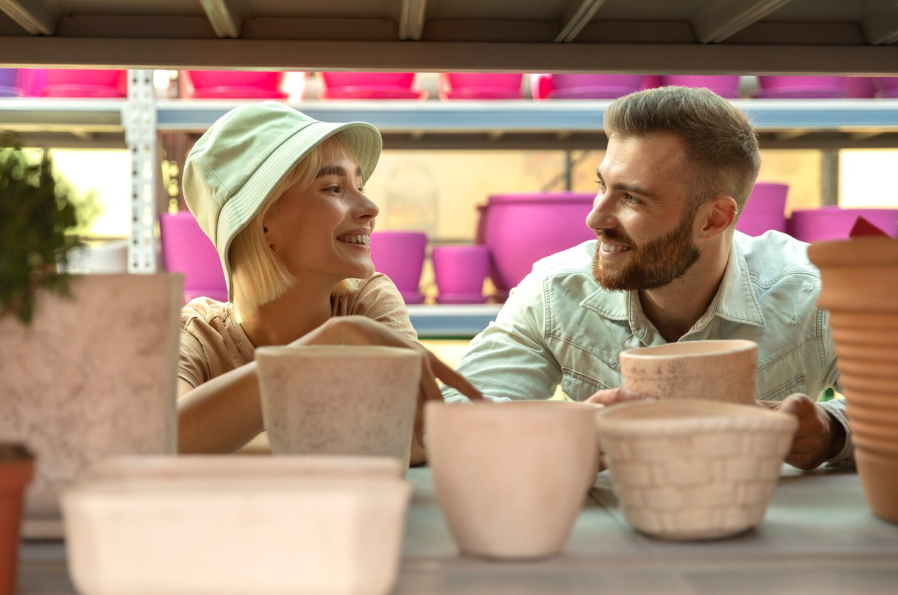
In the world of modern materials and design, ceramics play a central role in construction, architecture, and lifestyle. The term sodiceram stands out as a word that evokes innovation, craftsmanship, and cultural artistry. While it is not yet universally recognized like other global ceramic brands or terms, it reflects the growing importance of ceramics in everyday living. From tiles to decorative objects, sodiceram embodies both functional strength and aesthetic beauty. This article explores the meaning of sodiceram, its role in design, its cultural and industrial significance, and how it is shaping the future of ceramics worldwide.
The Meaning of Sodiceram
At its core, sodiceram represents a fusion of tradition and innovation in ceramics. The word itself suggests a brand or philosophy tied to ceramic production, where durability meets creativity. Ceramics have existed for thousands of years, but in the modern context, sodiceram takes this timeless craft and redefines it for contemporary needs. It symbolizes a commitment to quality, sustainability, and style in the use of ceramic materials across industries such as architecture, interior design, and lifestyle products.
Historical Importance of Ceramics
To understand sodiceram, it is important to look at the long history of ceramics. Human civilizations have relied on clay and ceramic objects for millennia—for cooking, building, and artistic expression. From ancient pottery to architectural tiles in palaces, ceramics have always carried cultural significance. Sodiceram builds upon this legacy by embracing both the heritage of craftsmanship and the demand for modern production techniques. It stands at the intersection of ancient tradition and industrial innovation, continuing a story that spans centuries.
Sodiceram in Modern Architecture
Architecture today relies heavily on ceramics, and sodiceram aligns perfectly with this demand. Tiles, cladding, and ceramic surfaces are used not only for durability but also for their ability to transform spaces aesthetically. A sodiceram-inspired building would balance strength with elegance, using ceramic finishes that are visually striking yet long-lasting. Architects increasingly choose ceramics for their versatility—resistance to heat, water, and wear—making sodiceram an essential concept in contemporary construction.
Interior Design and Sodiceram Aesthetics
Beyond construction, sodiceram plays a vital role in interior design. Ceramics are no longer limited to bathrooms and kitchens; they are now central to living rooms, offices, and even outdoor spaces. A sodiceram design emphasizes harmony, minimalism, and creativity. Designers often choose ceramic tiles for their wide variety of colors, textures, and patterns, allowing them to craft unique spaces. Whether it is a modern apartment, a luxury hotel, or a cultural center, ceramics bring warmth and personality. Sodiceram reflects this artistic and functional use of ceramics in shaping modern interiors.
Sodiceram and Sustainable Design
Sustainability is one of the defining challenges of our time, and ceramics are naturally aligned with eco-conscious living. Sodiceram emphasizes materials that are recyclable, durable, and environmentally friendly. Unlike plastics or synthetic finishes, ceramics are made from natural elements such as clay and sand, often produced with minimal environmental impact. A sodiceram lifestyle would include eco-friendly homes, sustainable architectural choices, and responsible production methods that reduce waste. This makes sodiceram not just a design philosophy but also a statement of environmental responsibility.
Sodiceram in Lifestyle and Everyday Use
Ceramics are not limited to architecture; they also enrich daily life. From ceramic tableware to decorative objects, sodiceram captures the beauty of everyday design. Homes and offices that integrate ceramic accessories often feel grounded and elegant. The durability of ceramics ensures that these objects last for years, making them both practical and sustainable. Sodiceram in this context reflects how ceramics connect utility with beauty, influencing how people experience their living environments.
The Artistic Dimension of Sodiceram
One of the most captivating aspects of ceramics is their artistic potential. Sodiceram emphasizes this creativity, celebrating the artists and craftsmen who shape raw materials into works of art. From handcrafted pottery to intricately designed wall tiles, the artistic side of ceramics continues to inspire cultures worldwide. A sodiceram artwork is not just an object but a story—of design, tradition, and innovation. This artistic dimension ensures that ceramics are not only functional but also deeply expressive.
Sodiceram and Technology
Modern ceramics are no longer limited to clay and pottery. With the help of advanced technology, ceramics now serve industrial and scientific purposes. Sodiceram symbolizes this fusion of tradition with modern innovation. Technical ceramics are used in electronics, medicine, and aerospace, proving their versatility beyond architecture. Heat resistance, electrical insulation, and extreme durability make ceramics invaluable in high-tech industries. Thus, sodiceram is as much about innovation as it is about design, bridging art with science.
Global Influence of Sodiceram
Ceramics have always been global, with different cultures contributing unique styles—from Chinese porcelain to Moroccan zellige tiles. Sodiceram represents a modern global identity for ceramics, blending influences across cultures while adapting to contemporary demands. In an interconnected world, ceramic design is no longer confined to regions but circulates as part of international trends. Sodiceram reflects this cosmopolitan spirit, where heritage and modernity coexist in ceramic artistry.
Economic Importance of Sodiceram
The ceramic industry contributes significantly to the global economy, and sodiceram symbolizes its growing impact. From large-scale manufacturers producing tiles for cities to small studios crafting artisanal pieces, ceramics generate employment and drive innovation. A sodiceram economy thrives on both mass production and bespoke design, serving architects, designers, engineers, and consumers alike. With rising demand for sustainable and stylish materials, the economic influence of ceramics is set to expand, and sodiceram is at the center of this growth.
Challenges Facing Sodiceram
Despite its promise, sodiceram also faces challenges. Competition in the ceramic industry is intense, with manufacturers constantly innovating to stay relevant. Environmental regulations, high production costs, and the need for constant design renewal are ongoing hurdles. For artisanal ceramics, mass production often overshadows traditional craftsmanship, risking cultural dilution. Yet these challenges also drive creativity, pushing sodiceram to adopt new technologies, designs, and sustainable practices to remain competitive in the global market.
Cultural Significance of Sodiceram

Ceramics carry cultural meaning across civilizations, and sodiceram reflects this continuity in modern times. From ancient pottery fragments to contemporary art exhibitions, ceramics embody the stories of human creativity. A sodiceram philosophy acknowledges ceramics as both practical objects and cultural artifacts. By integrating tradition with innovation, sodiceram ensures that ceramics remain culturally relevant while adapting to new demands. This cultural dimension is crucial in understanding its deeper impact on society.
Future of Sodiceram
The future of sodiceram looks promising, with innovation driving its evolution. Smart ceramics, self-cleaning surfaces, and energy-efficient materials are just some of the advancements shaping the industry. Interior design trends increasingly favor ceramics for their adaptability and sustainability. As global demand rises, sodiceram is likely to expand into new markets, bridging architecture, technology, and lifestyle. Its adaptability ensures that ceramics will continue to play a major role in shaping the built environment and cultural expression.
Final Thoughts
In conclusion, sodiceram is more than a name—it is a concept that embodies the strength, beauty, and adaptability of ceramics. From architecture and design to technology and culture, it reflects the multi-dimensional importance of ceramic materials in modern life. As both an art form and an industry, ceramics continue to evolve, and sodiceram represents this dynamic journey. It symbolizes sustainability, creativity, and innovation while staying rooted in centuries-old traditions. By embracing sodiceram, we celebrate ceramics not only as materials but as cultural and technological cornerstones of modern living.


Templesca Explained: Meaning, Use, and Real Value

Snowhiter Meaning: Understanding Its Use and Relevance

Porpenpelloz Explained: Meaning, Use, and Real Value

Nidixfun Meaning: Exploring Its Use and Real-World Value

Lexoworpenz: Understanding Its Meaning and Real Use

Kleptotoxicity Explained: How Organisms Steal Chemical Defense

ASX1.com Overview: What It Is and Why It Matters

How Industrial LED Strip Light Suppliers Support Heavy-Duty Projects

Valxye Meaning, Usage, and Online Presence

Torssfa: Meaning, Usage, and Online Presence

Comprehensive Financial Retirement Planning for Seniors

apicychat Guide to Meaningful AI Conversations

Wedding: A Celebration of Love, Commitment, and New Beginnings

Skmpcity Platform Overview for Practical User Insight

Zoix18 Explained: Meaning, Uses, and Real Value

dikganes Explained: Meaning, Usage, and Digital Significance

Techitl Explained: Meaning, Purpose, and Digital Relevance

Jememintre: Meaning, Uses, and Real-World Relevance

spabkbabg Explained: Meaning, Context, and Use

Pirntn Explained: Meaning, Use, and Real Value
Templesca Explained: Meaning, Use, and Real Value
Snowhiter Meaning: Understanding Its Use and Relevance
Porpenpelloz Explained: Meaning, Use, and Real Value

How to Use a Temporary Number for WhatsApp

Sepatuindonesia.com | Best Online Store in Indonesia

The Best Methods to Download TikTok Videos Using SnapTik
-
 Tech1 year ago
How to Use a Temporary Number for WhatsApp
-
 Business2 years ago
Sepatuindonesia.com | Best Online Store in Indonesia
-
 Social Media2 years ago
The Best Methods to Download TikTok Videos Using SnapTik
-

 Technology2 years ago
Top High Paying Affiliate Programs
-

 Tech12 months ago
Understanding thejavasea.me Leaks Aio-TLP: A Comprehensive Guide
-

 FOOD1 year ago
How to Identify Pure Desi Ghee? Ultimate Guidelines for Purchasing Authentic Ghee Online
-
 Instagram3 years ago
Free Instagram Auto Follower Without Login
-
 Instagram3 years ago
Free Instagram Follower Without Login