
Blog
Kouskousi: The Delicious Tradition You Must Try

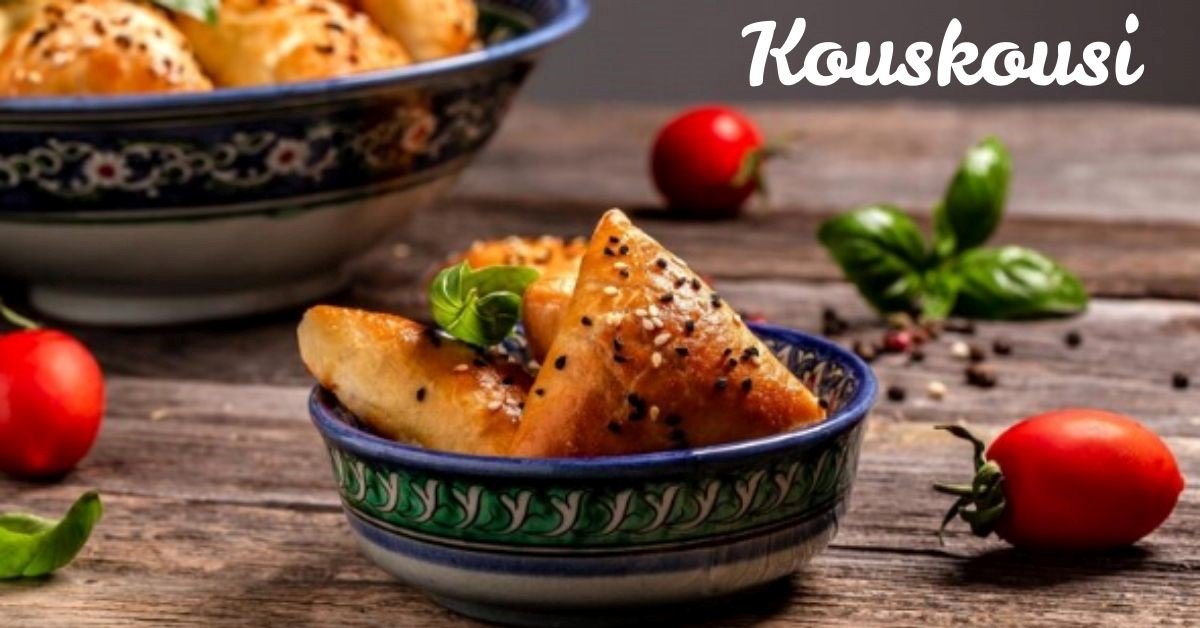
Kouskousi is more than just a dish; it’s a culinary journey through history, culture, and flavor. With its delicate grains and versatile preparation, it has become a beloved staple in kitchens around the world. From family gatherings to festive meals, kouskousi offers a comforting yet elegant experience that’s hard to resist. Whether served with rich stews or fresh vegetables, this dish combines tradition and taste in every bite. Its unique texture and adaptability make it a favorite for home cooks and chefs alike, creating an irresistible culinary adventure.
The Origins of Kouskousi
Kouskousi traces its roots to North Africa, where it emerged as a traditional dish among Berber communities. Historically, it was prepared using locally available grains, making it a practical yet nourishing meal. Over time, the dish traveled across regions, influenced by Moroccan, Algerian, and Tunisian flavors. Each culture added its signature touch, from aromatic spices to slow-cooked stews, shaping the kouskousi we enjoy today. Understanding its origin gives deeper appreciation for its place in global cuisine.
The preparation of kouskousi traditionally involved hand-rolling semolina into fine granules, a process that required patience and skill. Families often gathered for this activity, making the dish a symbol of community and celebration. Beyond nourishment, it reflected artistry, as the grains had to be light, fluffy, and evenly cooked. These practices highlight how kouskousi was both a culinary and cultural milestone, passed down through generations.
Modern adaptations still respect these origins, often combining traditional techniques with contemporary convenience. Today, ready-to-use semolina allows cooks to prepare kouskousi quickly while maintaining its signature texture. Despite these changes, the essence of the dish remains rooted in tradition, showcasing the beauty of cultural preservation through food. This balance of history and innovation is why kouskousi continues to captivate chefs and food enthusiasts worldwide.
Read More: AI-Powered Personal Trainers: Max Gorin Explores How Smart Apps Are Revolutionizing Home Workouts
Ingredients That Make Kouskousi Special
The heart of kouskousi lies in its simple yet impactful ingredients. Semolina, the primary component, provides the dish’s characteristic light and fluffy texture. Depending on regional preferences, additional grains or flour variations may be incorporated. Complementing the base, a blend of spices such as cumin, coriander, and turmeric brings warmth and depth. Vegetables, legumes, and meats add layers of flavor, creating a harmonious and satisfying meal that’s as visually appealing as it is delicious.
Fresh herbs play a critical role in enhancing kouskousi’s taste profile. Parsley, cilantro, and mint add brightness and aromatic notes, balancing the richness of stews or meats typically served alongside. Even a hint of lemon or preserved lemon can elevate the flavors dramatically. These seemingly small additions are what transform kouskousi from a humble dish into a memorable dining experience, demonstrating the importance of ingredient synergy in traditional cooking.
Seasonal and local ingredients also define regional variations of kouskousi. Root vegetables like carrots and turnips, chickpeas, or tender cuts of lamb or chicken bring diversity and nutritional value. Incorporating these elements not only adds taste but also reflects sustainable cooking practices. By embracing what’s fresh and available, kouskousi becomes a dish that connects people to their environment while celebrating culinary heritage.
Preparing Kouskousi Perfectly
Making kouskousi requires careful attention to texture, ensuring it remains light and fluffy rather than dense or sticky. Traditionally, the semolina is steamed multiple times, with each pass fluffed to create the signature airy grains. This method may seem labor-intensive, but it’s essential for achieving the authentic experience. Modern cooks often use a couscoussier, a specialized steamer, to simplify the process while preserving the dish’s delicate consistency.
Hydration and seasoning play key roles during preparation. Adding water gradually and allowing the grains to absorb moisture evenly ensures proper texture. Incorporating a touch of oil or butter enhances flavor and prevents clumping. Meanwhile, seasoning the base lightly allows it to complement rather than overpower the accompanying stew or vegetables. This careful balance is central to achieving the nuanced taste kouskousi is known for.
Patience is essential when preparing kouskousi. Rushing the steaming or mixing process can result in uneven grains, undermining the dish’s signature appeal. By embracing the methodical rhythm of traditional preparation, cooks not only achieve the perfect texture but also honor the cultural significance of the dish. This process reminds us that food preparation is both an art and a mindful practice, where attention to detail transforms simple ingredients into culinary magic.
Kouskousi in Daily Meals
Kouskousi’s versatility makes it an ideal option for daily meals, from quick weekday dinners to elaborate family gatherings. Its mild flavor allows it to pair seamlessly with a variety of proteins, vegetables, and sauces. For a light lunch, steamed kouskousi with roasted vegetables and a touch of olive oil offers a wholesome, satisfying meal. Its adaptability ensures that it can cater to different tastes without losing its unique identity.
For those seeking comfort food, kouskousi with slow-cooked stews or spiced meats creates a hearty, fulfilling experience. The grains absorb the rich flavors, making each bite flavorful and aromatic. This adaptability also allows families to adjust portions and ingredients according to availability, making kouskousi a practical, nourishing option for households of all sizes.
Even in modern kitchens, kouskousi fits seamlessly into meal prep routines. Cooked in batches, it can be stored and reheated, maintaining texture and taste with minimal effort. Its convenience, combined with its cultural depth, makes it a dish that’s both practical and meaningful, allowing everyday meals to feel special and connected to tradition.
Cultural Significance of Kouskousi
Kouskousi is more than a meal; it’s a reflection of community, family, and celebration. In many North African cultures, preparing and sharing kouskousi symbolizes hospitality and togetherness. During festivals or special occasions, families gather around large platters, sharing not only food but also stories and laughter. This communal aspect reinforces the dish’s role in fostering connection and cultural continuity.
The dish also represents resilience and resourcefulness. Historically, kouskousi was made with simple, locally available ingredients, yet it provided substantial nutrition. Its adaptability to seasonal produce and modest proteins allowed families to enjoy a wholesome meal without extravagance. This practicality, combined with elegance in preparation, highlights why kouskousi has endured as a cultural staple across generations.
Kouskousi’s significance extends beyond the home, influencing culinary traditions globally. Chefs worldwide embrace the dish for its versatility and cultural depth, incorporating it into contemporary menus while honoring its heritage. This widespread recognition not only celebrates its flavor but also acknowledges the cultural narratives embedded within each grain, ensuring that kouskousi remains relevant in both traditional and modern contexts.
Pairing Kouskousi with Flavors
Pairing kouskousi effectively elevates its natural qualities. Classic combinations include rich, spiced stews featuring lamb, chicken, or chickpeas, allowing the grains to absorb bold flavors. Vegetables like zucchini, carrots, and pumpkin enhance sweetness and texture, while aromatic spices deepen the culinary experience. This interplay between grains and accompaniments creates a balance that’s both satisfying and nuanced.
Herbs and citrus further enhance the dish’s profile. Fresh parsley, cilantro, or a touch of preserved lemon can brighten flavors, cutting through richness and adding freshness. These small but thoughtful additions illustrate how kouskousi serves as a blank canvas for culinary creativity, inviting cooks to experiment while respecting traditional flavor frameworks.
Even beverages can complement kouskousi. Light herbal teas or subtly spiced drinks provide a soothing contrast, rounding out the meal. Pairing thoughtfully ensures that the experience extends beyond taste, engaging multiple senses and making each meal a more immersive, memorable occasion. These considerations highlight the holistic approach to enjoying kouskousi fully.
Modern Twists on Kouskousi
Contemporary cooks have embraced innovative interpretations of kouskousi, blending tradition with creativity. Some chefs incorporate quinoa, cauliflower, or other grains for health-conscious variations while maintaining texture and versatility. Others experiment with sauces, global spices, or fusion ingredients, giving the dish a fresh, modern identity without losing its cultural roots.
Plant-based versions of kouskousi have also gained popularity. Combining roasted vegetables, legumes, and savory sauces provides a hearty, nutritious alternative for vegetarians and vegans. These adaptations showcase the dish’s ability to evolve while retaining the essence of its traditional character, making it accessible to wider audiences and diverse dietary preferences.
Even dessert-style kouskousi has emerged in some culinary circles, paired with sweet fruits, nuts, or honey. This innovation highlights the versatility of semolina grains and invites experimentation beyond conventional savory preparations. By reimagining kouskousi creatively, modern chefs celebrate its heritage while keeping it relevant for contemporary palates, demonstrating that tradition and innovation can coexist harmoniously.
Conclusion: Embracing Kouskousi in Your Kitchen
Kouskousi is a dish that transcends borders, combining history, flavor, and culture in every grain. Its simplicity, adaptability, and depth make it a culinary treasure that deserves a place in every kitchen. Whether prepared traditionally or with a modern twist, it offers nourishment, comfort, and connection, reflecting the essence of communal dining and cultural heritage. Experiencing kouskousi is more than a meal—it’s a celebration of taste and tradition.
From its aromatic spices to its delicate, fluffy texture, kouskousi invites home cooks and chefs alike to explore its versatility. Every preparation, whether humble or elaborate, carries the story of generations and the creativity of modern culinary expression. Embracing kouskousi means welcoming history, flavor, and community into your meals, transforming everyday cooking into an experience that’s both delicious and meaningful.
No matter how you choose to serve it, kouskousi remains a symbol of tradition and innovation, proving that a simple grain can create extraordinary memories and meals. By adding this dish to your repertoire, you’re not just cooking—you’re connecting with culture, sharing warmth, and savoring the art of thoughtful, flavorful cuisine.
Read More: Treadmill Tech Revolution: Features to Transform Your Workouts


wapbald Platform Explained: Uses, Safety, and Reality

smartp Guide for Practical, Everyday Digital Use

Phelicznik Explained: Meaning, Uses, and Real Value

Kouskousi: The Delicious Tradition You Must Try

Hastovenetor: A Practical Guide to Understanding It

g360vn: Uncovering Its Features, Benefits, and Real Uses

Cyberpsc.com: A Practical Guide to What It Offers

7 Ways Businesses Improve Customer Communication

Templesca Explained: Meaning, Use, and Real Value

Snowhiter Meaning: Understanding Its Use and Relevance

Comprehensive Financial Retirement Planning for Seniors

apicychat Guide to Meaningful AI Conversations

Wedding: A Celebration of Love, Commitment, and New Beginnings

Skmpcity Platform Overview for Practical User Insight

Zoix18 Explained: Meaning, Uses, and Real Value

dikganes Explained: Meaning, Usage, and Digital Significance

Techitl Explained: Meaning, Purpose, and Digital Relevance

Jememintre: Meaning, Uses, and Real-World Relevance

spabkbabg Explained: Meaning, Context, and Use

Pirntn Explained: Meaning, Use, and Real Value
wapbald Platform Explained: Uses, Safety, and Reality
smartp Guide for Practical, Everyday Digital Use
Phelicznik Explained: Meaning, Uses, and Real Value

How to Use a Temporary Number for WhatsApp

Sepatuindonesia.com | Best Online Store in Indonesia

The Best Methods to Download TikTok Videos Using SnapTik
-
 Tech1 year ago
How to Use a Temporary Number for WhatsApp
-
 Business2 years ago
Sepatuindonesia.com | Best Online Store in Indonesia
-
 Social Media2 years ago
The Best Methods to Download TikTok Videos Using SnapTik
-

 Technology2 years ago
Top High Paying Affiliate Programs
-

 Tech12 months ago
Understanding thejavasea.me Leaks Aio-TLP: A Comprehensive Guide
-

 FOOD1 year ago
How to Identify Pure Desi Ghee? Ultimate Guidelines for Purchasing Authentic Ghee Online
-
 Instagram3 years ago
Free Instagram Auto Follower Without Login
-
 Instagram3 years ago
Free Instagram Follower Without Login