
Blog
Cellulogia: Causes, Types, and Real Solutions

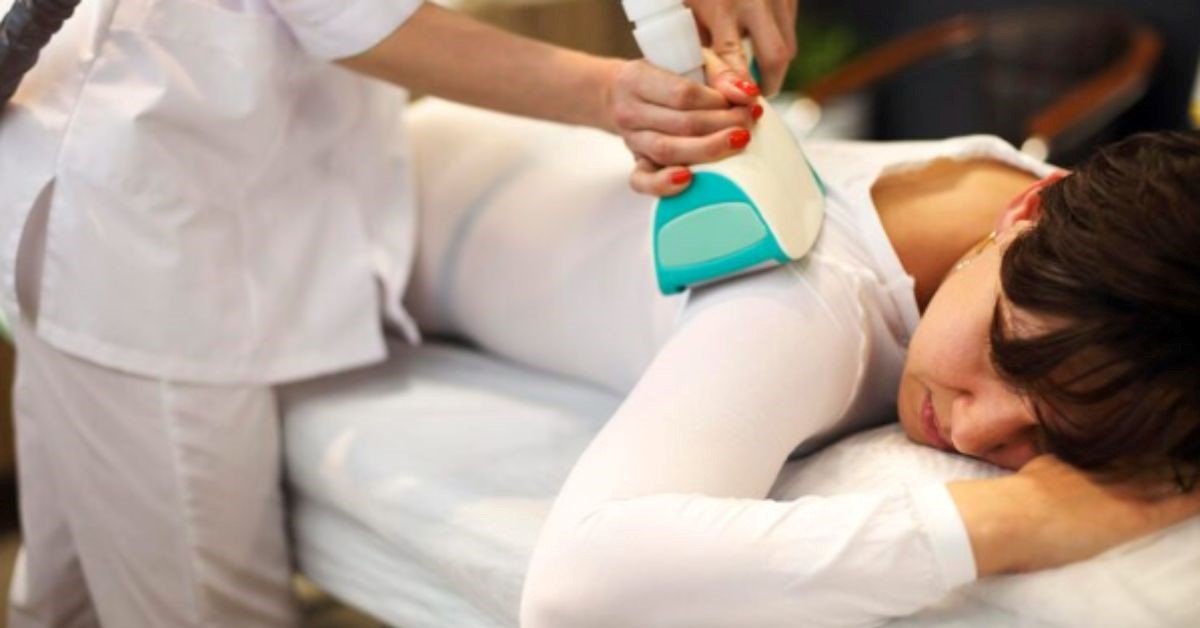
Cellulogia is a term commonly used to describe what many people know as cellulite, a very common skin condition that affects the appearance of the skin, especially on the thighs, hips, buttocks, and abdomen. Although it is completely harmless, cellulogia often causes concern because of its visible dimpling and uneven texture. It affects people of all body types, ages, and lifestyles, making it more about biology than beauty. Understanding cellulogia clearly helps remove myths, reduce unnecessary anxiety, and focus on realistic care rather than impossible perfection.
What Cellulogia Actually Is
Cellulogia refers to changes in the structure of the skin and underlying fat layers. Beneath the skin, fat cells push upward while connective tissue pulls downward, creating a puckered or “orange peel” appearance. This structural interaction is the main reason cellulogia looks the way it does. It is not a disease, infection, or sign of poor health, but simply a variation in how the body stores fat and connective tissue.
Why Cellulogia Is So Common
One of the most important facts about cellulogia is how common it is. Studies and observations show that the majority of adult women experience it at some point in their lives. Hormones, genetics, and skin structure all play a role. Because women naturally have a different connective tissue pattern than men, they are more likely to develop visible cellulogia, even if they are fit and active.
The Role of Hormones in Cellulogia
Hormones, especially estrogen, play a major role in the development of cellulogia. Estrogen affects fat storage, blood flow, and connective tissue strength. During puberty, pregnancy, and menopause, hormonal shifts can make cellulogia more noticeable. This explains why it often appears or changes during different life stages, regardless of diet or exercise habits.
Genetics and Body Structure
Genetics strongly influence whether a person develops cellulogia. If close family members have it, chances are higher that you will too. Genetics affect skin thickness, fat distribution, and connective tissue strength, all of which contribute to how visible cellulogia becomes. This is why two people with similar lifestyles can have very different skin textures.
Types of Cellulogia
Cellulogia is often described in different types based on appearance and texture. Some forms are soft and visible only when the skin is pinched, while others are firm and noticeable even at rest. There are also differences in color, sensitivity, and depth. These variations help explain why some people experience mild changes while others see more pronounced dimpling.
Common Areas Affected by Cellulogia
Cellulogia most commonly appears on the thighs and buttocks, but it can also affect the abdomen, hips, arms, and even knees. These areas tend to store more fat and experience less circulation, which contributes to the visible texture. The location does not indicate severity or health risk, only natural fat distribution.
Cellulogia and Body Weight
A common myth is that cellulogia only affects people who are overweight. In reality, many slim and athletic individuals have it too. While body fat percentage can influence how visible cellulogia appears, it is not the root cause. Even people with low body fat can have noticeable cellulogia due to genetics and skin structure.
Lifestyle Factors That Influence Cellulogia
Lifestyle habits can influence the appearance of cellulogia, although they do not fully control it. Factors such as physical inactivity, dehydration, smoking, and prolonged sitting can reduce circulation and weaken connective tissue. On the positive side, regular movement, hydration, and balanced nutrition can help improve skin tone and overall appearance.
The Truth About Diet and Cellulogia
No specific diet can completely eliminate cellulogia, but nutrition plays a supportive role. Diets rich in whole foods, fiber, lean proteins, and healthy fats support skin health and circulation. Reducing excessive salt and ultra-processed foods may help limit fluid retention, which can temporarily make cellulogia more visible.
Exercise and Its Real Impact
Exercise helps strengthen muscles, improve circulation, and reduce fat mass, which can make cellulogia less noticeable. Strength training, in particular, helps create a firmer appearance under the skin. However, exercise does not remove cellulogia entirely, and expecting it to do so often leads to frustration. Its benefit lies in improvement, not perfection.
Skin Care and Topical Treatments
Many creams and lotions claim to eliminate cellulogia, but most provide temporary results at best. Ingredients like caffeine and retinol can improve skin tightness and hydration, making the surface look smoother. These effects are usually short-lived and require consistent use. While skincare can enhance appearance, it does not change underlying fat structure.
Massage and Manual Techniques
Massage techniques such as lymphatic drainage and deep tissue massage can temporarily reduce the appearance of cellulogia by improving circulation and fluid movement. Regular massage may help soften tissue and improve skin texture over time, but results vary and require ongoing sessions to maintain.
Professional and Medical Treatments
Professional treatments for cellulogia include laser therapy, radiofrequency, ultrasound, and injectable procedures. These methods aim to tighten skin, break fibrous bands, or reduce fat pockets. While some treatments show noticeable improvement, results are not permanent and often require maintenance. Consulting a qualified professional is essential before choosing any procedure.
Mental and Emotional Impact
Cellulogia can affect self-esteem, especially in a culture that promotes unrealistic beauty standards. Many people feel pressure to “fix” something that is completely normal. Understanding that cellulogia is a natural body feature can help reduce shame and promote self-acceptance. Confidence often grows when focus shifts from appearance to health and function.
Social Media and Unrealistic Expectations
Social media plays a major role in shaping perceptions of cellulogia. Edited images and filtered skin create the illusion that smooth skin is the norm. In reality, most bodies have texture. Recognizing digital manipulation helps build a healthier relationship with one’s own appearance and reduces unnecessary comparison.
Can Cellulogia Be Prevented
There is no guaranteed way to prevent cellulogia, especially when genetics are involved. Healthy habits can reduce its visibility and support skin health, but they cannot override biological factors. Prevention is better understood as management and acceptance rather than elimination.
Living Confidently With Cellulogia
Living confidently with cellulogia means understanding that it does not define worth, beauty, or health. Wearing what feels comfortable, focusing on body function, and challenging unrealistic standards are powerful steps. Confidence grows when the body is appreciated for what it does rather than how closely it matches edited images.
Conclusion
Cellulogia is a natural and extremely common skin condition influenced by genetics, hormones, and body structure. While its appearance can be influenced by lifestyle choices and treatments, it cannot be completely erased. The most sustainable approach combines healthy habits, realistic expectations, and self-acceptance. Understanding cellulogia removes fear and replaces it with knowledge, confidence, and control.
FAQs
What is cellulogia in simple words?
Cellulogia is the dimpled or uneven appearance of skin caused by fat pushing against connective tissue.
Is cellulogia harmful to health?
No, cellulogia is harmless and does not indicate any medical problem.
Can men get cellulogia too?
Yes, although it is more common in women, men can also develop cellulogia.
Do creams really work for cellulogia?
Creams may temporarily improve skin appearance but do not permanently remove cellulogia.
Is it possible to completely get rid of cellulogia?
There is no permanent cure, but treatments and healthy habits can reduce its appearance.


w0wkino: Understanding the Platform and Its Real Impact

Troozer.com: Exploring Features and Benefits for Users

Novapg Explained: A Practical Guide for Real Users

Leonaarei Guide for Meaning, Use, and Growing Interest

Kompama Explained: Meaning, Use, and Cultural Context

Horseplop Explained: Meaning, Use, and Digital Context

Cils Lifting: Transform Your Look With Beautiful Lifted Lashes

MKVHub: Your Ultimate Destination for Movies and Entertainment

Mallumv: Understanding Its Role and Impact in Modern Communities

Hypestat Website Analysis Tool Explained for Smart Growth

Comprehensive Financial Retirement Planning for Seniors

Picme Login Guide for Secure and Easy Access

apicychat Guide to Meaningful AI Conversations

Plftiger: Meaning, Context, and Modern Interpretation

Skmpcity Platform Overview for Practical User Insight

Wedding: A Celebration of Love, Commitment, and New Beginnings

Zoix18 Explained: Meaning, Uses, and Real Value

Lesbufy Platform Explained for Smart Online Use

Techitl Explained: Meaning, Purpose, and Digital Relevance

spabkbabg Explained: Meaning, Context, and Use
w0wkino: Understanding the Platform and Its Real Impact
Troozer.com: Exploring Features and Benefits for Users
Novapg Explained: A Practical Guide for Real Users

How to Use a Temporary Number for WhatsApp

Sepatuindonesia.com | Best Online Store in Indonesia

The Best Methods to Download TikTok Videos Using SnapTik
-
 Tech1 year ago
How to Use a Temporary Number for WhatsApp
-
 Business2 years ago
Sepatuindonesia.com | Best Online Store in Indonesia
-
 Social Media2 years ago
The Best Methods to Download TikTok Videos Using SnapTik
-

 Technology2 years ago
Top High Paying Affiliate Programs
-

 Tech12 months ago
Understanding thejavasea.me Leaks Aio-TLP: A Comprehensive Guide
-

 FOOD1 year ago
How to Identify Pure Desi Ghee? Ultimate Guidelines for Purchasing Authentic Ghee Online
-
 Instagram3 years ago
Free Instagram Auto Follower Without Login
-
 Instagram3 years ago
Free Instagram Follower Without Login