
Blog
Mastering Brush Pen: A Complete Guide for Artists & Writers

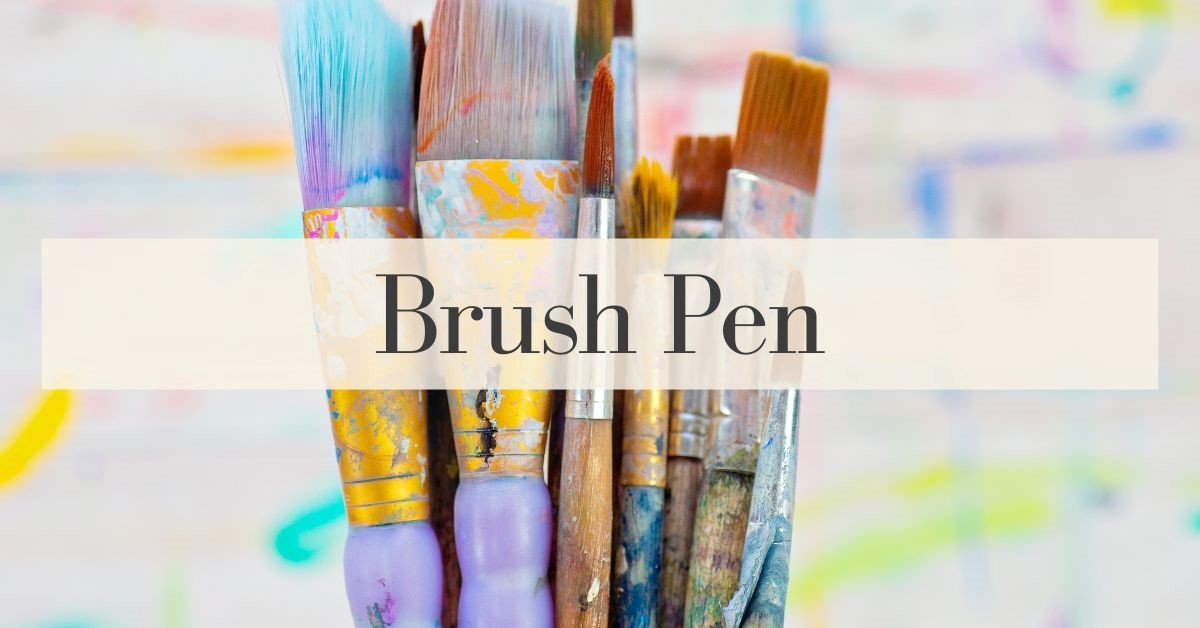
A brush pen is more than just another writing tool—it’s an expressive instrument that blends the grace of a paintbrush with the convenience of a pen. Loved by calligraphers, artists, illustrators, designers, and journal enthusiasts, brush pens bring creativity to life with fluid strokes, dynamic line variation, and a truly artistic feel. Whether you’re practicing modern calligraphy, sketching detailed artwork, or creating bold lettering pieces, brush pens open the door to endless possibilities. This in-depth guide breaks down everything you need to know about brush pens: how they work, types available, techniques, styles, pros, cons, and how to choose the perfect one for your creative journey.
What Is a Brush Pen
A brush pen is a writing and drawing tool featuring a flexible tip designed to mimic the feel of a traditional paintbrush. However, unlike an actual brush that requires dipping into ink, a brush pen contains built-in ink cartridges. This makes them portable, clean, and ideal for detailed or expressive strokes. The tip can be made of fibers, bristles, or felt depending on the brand and intended purpose.
Read More: 6 Steps to Choosing the Right Toothbrush for Your Needs
Why Brush Pens Are Popular
Brush pens have become a favorite among artists because they combine convenience with artistic flexibility. They allow users to create thick, bold strokes or fine, delicate lines by adjusting pressure. This versatility makes them perfect for modern calligraphy, illustration, graphic design, bullet journaling, manga drawing, and hand lettering. Their ease of use also makes them beginner-friendly, encouraging more people to explore creative hobbies.
Types of Brush Pens
Brush pens come in multiple variations, each offering a unique writing experience. Some have soft, flexible brush tips that mimic natural bristles, while others feature firmer felt tips for more control. Choosing the right type depends on your artistic style, comfort level, and desired effects. Soft tips are excellent for expressive lettering and sweeping strokes, while firm tips are ideal for controlled writing and smaller-sized lettering.
Soft-Tip Brush Pens
Soft-tip brush pens typically have synthetic fibers and behave similarly to traditional paintbrushes. They provide a smooth, responsive feel, allowing dramatic line variation and fluid movements. Artists who want more natural brush strokes or desire expressive calligraphy often prefer soft-tip pens. They can, however, be challenging for beginners who haven’t yet mastered pressure control.
Hard-Tip Brush Pens
Hard-tip brush pens use felt or foam materials to maintain a firmer shape, making them easier to control. These pens are ideal for small lettering, beginners learning brush calligraphy, or artists who want consistent lines. They still allow some line variation but offer more stability, preventing accidental thick strokes.
Water-Based Brush Pens
Water-based brush pens are popular for their blendability. They allow artists to create watercolor-style effects, smooth gradients, and subtle shading. These pens can be activated with water, letting you turn your brush pen artwork into watercolor paintings. They are perfect for color mixing, blending, and creating soft transitions between tones.
Alcohol-Based Brush Pens
Alcohol-based brush pens are favored by designers, illustrators, and manga artists. They dry quickly, produce vibrant colors, and blend smoothly without damaging paper. Alcohol inks are permanent, meaning they won’t smudge once dry. Artists often use them for bold coloring, shading, and layering techniques.
How Brush Pens Are Used in Calligraphy
Brush pens are iconic tools for calligraphy because they can create both thin and thick strokes with a single motion. Applying light pressure forms delicate upstrokes, while heavier pressure generates bold downstrokes. This contrast is the hallmark of brush lettering. Because brush pens combine convenience with elegance, they have replaced dip pens for many modern calligraphy artists who want cleaner, faster, and more flexible calligraphy options.
Brush Pens for Illustration and Artwork
Illustrators use brush pens to add depth, movement, and character to their drawings. The ability to switch line weight instantly gives artwork a dynamic, expressive feel. Brush pens also help with shading, outlining, character design, botanical art, and comic-style illustration. Their versatility makes them a favorite for both professional artists and hobbyists.
Brush Pens in Bullet Journaling
Bullet journal enthusiasts love brush pens for their aesthetic appeal. Brush pens make headings stand out, add color to pages, and create decorative elements. Their ability to quickly switch between thick and thin lines adds personality to trackers, planners, and journal layouts. With brush pens, even simple notes become visually engaging.
Techniques for Using Brush Pens
Using a brush pen effectively requires understanding pressure control, angle, and movement. Beginners often struggle with shaky strokes or inconsistent line thickness. Practicing slow, controlled movements helps improve accuracy. Techniques like blending, shading, layering, and stippling allow artists to expand their creative abilities and experiment with new effects.
Choosing the Right Brush Pen
Choosing the best brush pen depends on your goals. For calligraphy, a firm-tip pen may be best for beginners, while professionals may prefer a flexible, soft brush. If you want watercolor effects, water-based pens are ideal. For bold illustrations and rich colors, alcohol-based pens offer the vibrancy needed. Considering factors like ink type, brush softness, color range, and your intended art style ensures you pick the perfect tool.
Common Mistakes When Using Brush Pens
Beginners often press too hard, damaging the tip or making strokes too thick. Others write too quickly, losing control and producing shaky lines. Using the wrong type of paper can cause feathering or bleeding. Brush pens require patience, deliberate practice, and gentle handling. Understanding these common mistakes helps improve your technique faster.
How to Care for Brush Pens
Proper care extends the life of your brush pens. Storing them horizontally prevents ink pooling. Using smooth, high-quality paper protects the brush tip. Cleaning water-based brush pens with a little water helps maintain ink flow. Avoiding heavy pressure ensures the tip stays sharp and responsive. Well-maintained pens produce cleaner, more consistent strokes.
Why Brush Pens Inspire Creativity
Brush pens inspire creativity because they allow spontaneous expression while still maintaining control. The fluidity of the strokes, the wide range of colors, and the ability to blend create endless possibilities. Many artists find brush pens therapeutic, enjoying the rhythmic motion of lettering and coloring. They are tools that encourage experimentation and bring joy through effortless artistic exploration.
Conclusion
A brush pen is more than a simple writing tool—it is a gateway to creativity, expression, and artistic exploration. Whether you’re learning calligraphy, illustrating characters, designing journal pages, or simply enjoying the calming flow of brush lettering, brush pens offer incredible flexibility and charm. Choosing the right type, practicing essential techniques, and caring for your tools will elevate your skills and help you create beautiful work. Brush pens continue to shape modern art, empowering beginners and professionals alike to bring imagination to life with every stroke.
Read More: Brushed Nickel Vs Stainless Steel
FAQs
1. Are brush pens good for beginners?
Yes, especially hard-tip brush pens, which offer more control for learning pressure-based strokes.
2. Can brush pens be used for watercolor effects?
Water-based brush pens blend easily with water, making them perfect for watercolor-style art.
3. Do brush pens bleed through paper?
Some do, especially alcohol-based pens, so using thicker or marker-friendly paper is recommended.
4. How long does a brush pen last?
It depends on usage, pressure applied, and how well it’s maintained. With proper care, they can last months.
5. Are brush pens suitable for professional artwork?
Absolutely, many illustrators, calligraphers, and designers use brush pens in their professional work.


Templesca Explained: Meaning, Use, and Real Value

Snowhiter Meaning: Understanding Its Use and Relevance

Porpenpelloz Explained: Meaning, Use, and Real Value

Nidixfun Meaning: Exploring Its Use and Real-World Value

Lexoworpenz: Understanding Its Meaning and Real Use

Kleptotoxicity Explained: How Organisms Steal Chemical Defense

ASX1.com Overview: What It Is and Why It Matters

How Industrial LED Strip Light Suppliers Support Heavy-Duty Projects

Valxye Meaning, Usage, and Online Presence

Torssfa: Meaning, Usage, and Online Presence

Comprehensive Financial Retirement Planning for Seniors

apicychat Guide to Meaningful AI Conversations

Wedding: A Celebration of Love, Commitment, and New Beginnings

Skmpcity Platform Overview for Practical User Insight

dikganes Explained: Meaning, Usage, and Digital Significance

Zoix18 Explained: Meaning, Uses, and Real Value

Techitl Explained: Meaning, Purpose, and Digital Relevance

Jememintre: Meaning, Uses, and Real-World Relevance

spabkbabg Explained: Meaning, Context, and Use

Pirntn Explained: Meaning, Use, and Real Value
Templesca Explained: Meaning, Use, and Real Value
Snowhiter Meaning: Understanding Its Use and Relevance
Porpenpelloz Explained: Meaning, Use, and Real Value

How to Use a Temporary Number for WhatsApp

Sepatuindonesia.com | Best Online Store in Indonesia

The Best Methods to Download TikTok Videos Using SnapTik
-
 Tech1 year ago
How to Use a Temporary Number for WhatsApp
-
 Business2 years ago
Sepatuindonesia.com | Best Online Store in Indonesia
-
 Social Media2 years ago
The Best Methods to Download TikTok Videos Using SnapTik
-
 Technology2 years ago
Top High Paying Affiliate Programs
-

 Tech12 months ago
Understanding thejavasea.me Leaks Aio-TLP: A Comprehensive Guide
-

 FOOD1 year ago
How to Identify Pure Desi Ghee? Ultimate Guidelines for Purchasing Authentic Ghee Online
-
 Instagram3 years ago
Free Instagram Auto Follower Without Login
-
 Instagram3 years ago
Free Instagram Follower Without Login