
Blog
Bodyweight Training Exercises: The Ultimate Path to Strength, Balance, and Recovery

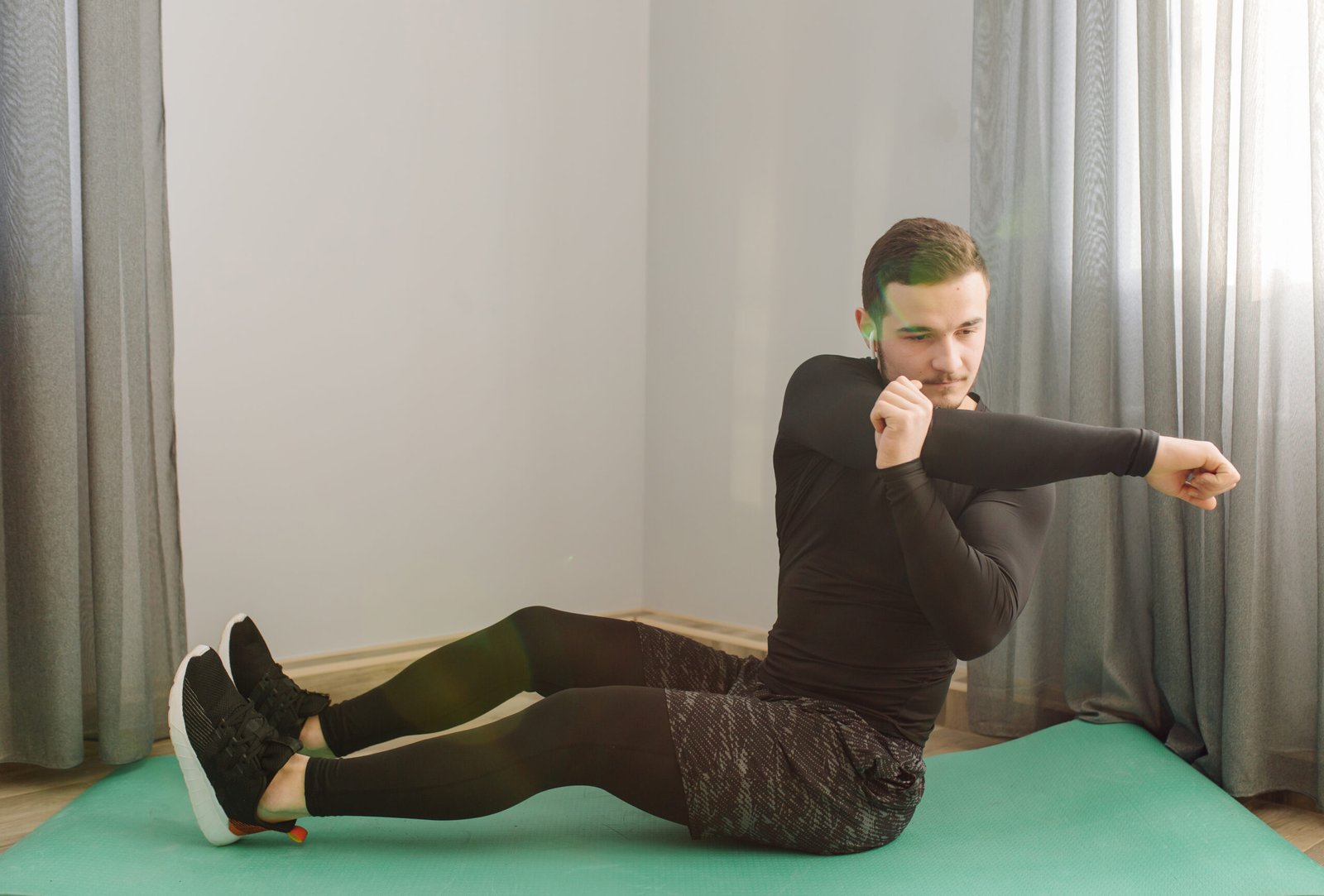
In today’s fast-paced world, many fitness enthusiasts seek efficient, equipment-free workouts that can deliver impressive results. Bodyweight training exercises offer a holistic approach to fitness, emphasizing strength, balance, flexibility, and endurance—without needing a gym membership. From beginners to seasoned athletes, everyone can benefit from this versatile form of training.
Moreover, as individuals look for ways to recover from overtraining, bodyweight workouts provide a balanced alternative that prevents burnout and enhances well-being. Places like the Sanctuary Wellness Institute are increasingly recommending this training style due to its natural alignment with the body’s recovery and strength-building cycles.
Why Bodyweight Training is a Game-Changer
What sets bodyweight exercises apart is their incredible adaptability. Whether you are at home, in a park, or traveling, your own body becomes the only equipment you need. This form of training combines functional strength with movement efficiency, allowing you to build real-world fitness that translates beyond the gym.
Bodyweight movements also encourage better body awareness. You learn how your body moves, reacts, and stabilizes itself. This not only enhances athletic performance but is also vital in helping individuals recover from overtraining. By engaging multiple muscle groups in compound movements, bodyweight routines create an effective yet less taxing workout for those healing from physical stress.
The Sanctuary Wellness Institute often highlights the role of functional movement in promoting long-term health. Bodyweight training fits perfectly into that vision.
Building Strength Without Weights
It’s a myth that you need heavy weights to build serious muscle. Bodyweight exercises like push-ups, pull-ups, dips, and squats offer progressive resistance through variations. For example:
| Exercise | Beginner Level | Intermediate | Advanced |
| Push-ups | Knee Push-ups | Standard Push-ups | Archer / Clap Push-ups |
| Squats | Air Squats | Jump Squats | Pistol Squats |
| Pull-ups | Assisted Pull-ups | Chin-ups | Muscle-ups |
By gradually progressing to more complex variations, your muscles adapt and grow. At the same time, you’re training your joints and tendons, promoting long-term resilience. These exercises are also excellent when trying to recover from overtraining, as they allow intensity modulation without compromising effectiveness.
Many professionals at the Sanctuary Wellness Institute agree that strength built through bodyweight resistance is sustainable, injury-resistant, and ideal for those balancing intense training cycles.
Fat Loss, Cardio, and Endurance
Bodyweight workouts don’t just build muscle—they scorch fat. High-Intensity Interval Training (HIIT) involving exercises like mountain climbers, burpees, jumping jacks, and high knees ignites the metabolism and boosts cardiovascular endurance. This style of training maintains a high heart rate, encouraging the body to tap into its fat reserves for fuel.
Combining strength movements with cardio-based exercises also supports a healthy hormone response, making it easier for athletes to recover from overtraining without drastically reducing activity. Unlike conventional cardio, which can sometimes stress the system, bodyweight circuits are easier to manage and adjust based on your recovery needs.
Fitness consultants at the Sanctuary Wellness Institute recommend rotating between intense and moderate days, integrating bodyweight movements that both energize and restore. It’s a strategy rooted in science and proven by results.
Flexibility and Functional Mobility
Another overlooked benefit of bodyweight exercises is their role in improving flexibility and mobility. Movements such as yoga-inspired flows, lunges, and dynamic stretches promote a full range of motion and reduce muscle tightness. This becomes especially crucial when attempting to recover from overtraining, where stiff joints and tight muscles often act as warning signs.
Rather than placing excessive load on muscles, these exercises encourage deep tissue engagement and circulation. The Sanctuary Wellness Institute strongly supports the integration of bodyweight stretches in their wellness programs. They believe that true fitness is incomplete without mobility, and we couldn’t agree more.
Think of bodyweight flexibility routines as your gateway to pain-free movement, increased energy, and faster healing. It’s not just about stretching—it’s about empowering your body to move the way it was designed to.
Mental Strength and Mind-Body Connection
Bodyweight training doesn’t just sculpt your body—it transforms your mindset. The focus required during a set of controlled planks or slow eccentric push-ups fosters mental discipline. This inner strength spills over into everyday challenges, making you more resilient and emotionally grounded.
Moreover, the rhythmic nature of many bodyweight movements aligns with mindfulness principles. Breathing in sync with motion creates a calming effect, essential when trying to recover from overtraining. The mind-body harmony becomes a therapeutic experience, helping individuals reset emotionally and physically.
Programs at Sanctuary Wellness Institute often incorporate guided bodyweight routines into their stress-relief sessions. The belief is simple yet powerful: when the body flows, the mind follows. That synergy is the key to sustained wellness.
Progress at Your Own Pace
One of the greatest strengths of bodyweight training lies in its scalability. You don’t need to fit a mold or match someone else’s progress. Your body, your pace. With minimal risk of injury and full control over intensity, it’s a superb choice for anyone looking to ease back into fitness or recover from overtraining.
You can tailor workouts for strength, endurance, flexibility, or even rehabilitation. For example:
- Beginners can focus on foundational moves like wall push-ups and air squats.
- Intermediates might integrate tempo-based workouts and basic plyometrics.
- Advanced users can challenge themselves with isometrics, explosive power moves, and flow circuits.
This versatility is exactly why the Sanctuary Wellness Institute often encourages bodyweight routines for clients from all walks of life. Whether you’re returning from an injury, managing chronic fatigue, or simply building a new fitness habit, bodyweight training welcomes you.
It’s More Than Just Fitness—It’s a Lifestyle
Choosing bodyweight training is choosing sustainability. You’re not tied to a gym, equipment, or expensive memberships. Instead, you’re investing in lifelong strength, agility, and mobility—traits that serve you far beyond aesthetics.
This lifestyle embraces balance, autonomy, and awareness. It encourages consistent movement, not punishment. And when you’re striving to recover from overtraining, these values become even more essential.
The Sanctuary Wellness Institute advocates for fitness that fits into real lives. They emphasize training routines that support total well-being—physically, mentally, and emotionally. In their approach, bodyweight training becomes not just an exercise method, but a philosophy of living strong and living smart.
Your Strongest Self Awaits
There’s no doubt: bodyweight training exercises offer a smart, sustainable, and powerful path to health and transformation. They help you reconnect with your body, build functional strength, and support recovery processes—especially when aiming to recover from overtraining without halting your progress.
The experts at the Sanctuary Wellness Institute have long recognized the impact of these exercises on longevity and vitality. Through consistent practice, they’ve seen clients rebuild their strength, regain confidence, and most importantly—fall in love with movement again.
So whether you’re looking to get stronger, leaner, more mobile, or simply healthier, bodyweight training has something to offer. It asks nothing from you but consistency, patience, and effort—and in return, it gives back tenfold.
Frequently Asked Questions
Q: Can I gain muscle using only bodyweight exercises?
A: Yes, absolutely. With progressive overload and variation, bodyweight training can build impressive muscle mass, especially when combined with good nutrition and consistency.
Q: Is bodyweight training safe for people recovering from injury or overtraining?
A: Yes. It’s one of the safest ways to reintroduce movement. Many wellness experts, including those at the Sanctuary Wellness Institute, recommend bodyweight routines for those seeking to recover from overtraining or manage injury.
Q: How often should I do bodyweight workouts?
A: Ideally, 3–5 times a week is effective, but you can adjust based on your goals and recovery needs. Listen to your body and ensure proper rest.
Q: Do I need to warm up before a bodyweight workout?
A: Yes. A proper warm-up increases blood flow, reduces injury risk, and prepares your muscles and joints for movement.
Q: Can I combine bodyweight exercises with other types of training?
A: Certainly. Bodyweight routines work well alongside strength training, cardio, yoga, and even rehabilitation plans. They’re flexible and adaptable for all fitness levels.


Templesca Explained: Meaning, Use, and Real Value

Snowhiter Meaning: Understanding Its Use and Relevance

Porpenpelloz Explained: Meaning, Use, and Real Value

Nidixfun Meaning: Exploring Its Use and Real-World Value

Lexoworpenz: Understanding Its Meaning and Real Use

Kleptotoxicity Explained: How Organisms Steal Chemical Defense

ASX1.com Overview: What It Is and Why It Matters

How Industrial LED Strip Light Suppliers Support Heavy-Duty Projects

Valxye Meaning, Usage, and Online Presence

Torssfa: Meaning, Usage, and Online Presence

Comprehensive Financial Retirement Planning for Seniors

apicychat Guide to Meaningful AI Conversations

Wedding: A Celebration of Love, Commitment, and New Beginnings

Skmpcity Platform Overview for Practical User Insight

Zoix18 Explained: Meaning, Uses, and Real Value

dikganes Explained: Meaning, Usage, and Digital Significance

Techitl Explained: Meaning, Purpose, and Digital Relevance

Jememintre: Meaning, Uses, and Real-World Relevance

spabkbabg Explained: Meaning, Context, and Use

Pirntn Explained: Meaning, Use, and Real Value
Templesca Explained: Meaning, Use, and Real Value
Snowhiter Meaning: Understanding Its Use and Relevance
Porpenpelloz Explained: Meaning, Use, and Real Value

How to Use a Temporary Number for WhatsApp

Sepatuindonesia.com | Best Online Store in Indonesia

The Best Methods to Download TikTok Videos Using SnapTik
-
 Tech1 year ago
How to Use a Temporary Number for WhatsApp
-
 Business2 years ago
Sepatuindonesia.com | Best Online Store in Indonesia
-
 Social Media2 years ago
The Best Methods to Download TikTok Videos Using SnapTik
-

 Technology2 years ago
Top High Paying Affiliate Programs
-

 Tech12 months ago
Understanding thejavasea.me Leaks Aio-TLP: A Comprehensive Guide
-

 FOOD1 year ago
How to Identify Pure Desi Ghee? Ultimate Guidelines for Purchasing Authentic Ghee Online
-
 Instagram3 years ago
Free Instagram Auto Follower Without Login
-
 Instagram3 years ago
Free Instagram Follower Without Login