
Business
Iscariot Explained: Meaning, History, and Cultural Impact

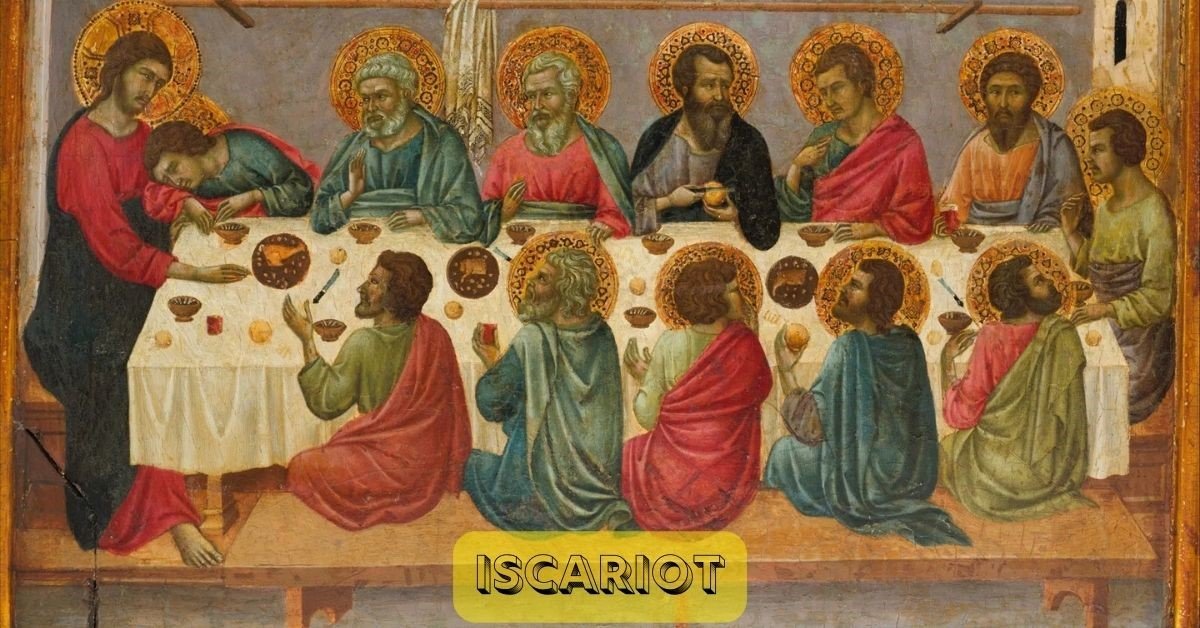
The word Iscariot carries a heavy emotional and historical weight. For many people, it immediately brings to mind betrayal, controversy, and moral complexity. At the same time, the name has taken on new meanings in modern storytelling, anime, literature, and pop culture. From ancient religious texts to contemporary fictional worlds, Iscariot has evolved into a symbol that represents far more than a single individual. Understanding Iscariot requires looking at its origins, interpretations, and lasting influence across cultures.
The Origin of the Name Iscariot
The name Iscariot is most famously associated with Judas Iscariot, one of the twelve disciples of Jesus Christ. Linguists and historians have debated the meaning of the name for centuries. Some believe it refers to a place called Kerioth, suggesting Judas was “the man from Kerioth.” Others argue it may relate to political movements or symbolic meanings. Regardless of its exact origin, the name Iscariot became permanently linked with one of the most dramatic moments in religious history.
Judas Iscariot in Religious History
Judas Iscariot is known primarily for betraying Jesus for thirty pieces of silver, an act that led to Jesus’ arrest and crucifixion. This moment has been retold countless times in religious teachings, art, and literature. Judas’ role is complex because his actions are essential to the fulfillment of prophecy, yet morally condemned. This tension has made Judas Iscariot one of the most debated figures in Christian theology.
The Symbolism of Betrayal
Over time, Iscariot became synonymous with betrayal itself. The name is often used metaphorically to describe someone who turns against trust, loyalty, or moral duty. This symbolic meaning extends beyond religion into everyday language and storytelling. Calling someone an “Iscariot” implies not just betrayal, but betrayal motivated by greed, fear, or inner conflict.
Psychological Interpretations of Iscariot
Modern thinkers often explore Judas Iscariot from a psychological perspective. Some see him as a tragic figure driven by disillusionment, political frustration, or misunderstood loyalty. Others interpret his actions as a reflection of human weakness and moral struggle. These interpretations do not excuse betrayal but attempt to understand the emotional and psychological forces behind it, making Iscariot a deeply human figure rather than a one-dimensional villain.
Iscariot in Literature and Art
Throughout history, artists and writers have been fascinated by Iscariot. Paintings, poems, novels, and plays frequently revisit the moment of betrayal or Judas’ inner turmoil. These works often portray Iscariot as conflicted, remorseful, or tormented by guilt. Such portrayals add layers to the narrative, transforming Iscariot from a symbol of evil into a subject of empathy and moral inquiry.
Theological Debates Around Iscariot
The role of Judas Iscariot raises profound theological questions. Was his betrayal an act of free will, or was it predetermined? Could redemption have been possible if events had unfolded differently? These debates continue among theologians and scholars, showing how Iscariot remains relevant in discussions about destiny, responsibility, and forgiveness.
Iscariot as a Cultural Archetype
Beyond religion, Iscariot has become an archetype in storytelling. The “trusted companion who betrays” is a recurring narrative device found in myths, novels, films, and games. This archetype resonates because betrayal is one of the most emotionally powerful human experiences. Iscariot represents the fear that trust can be broken from within, making the archetype universally relatable.
Iscariot in Modern Fiction
In modern fiction, the name Iscariot is often reused to evoke darkness, moral ambiguity, or rebellion. Writers and creators use the name to signal complex characters who operate in morally gray areas. This reuse shows how deeply the symbolism of Iscariot has embedded itself into cultural consciousness, transcending its original religious context.
Iscariot in Anime and Manga
Anime and manga have reimagined Iscariot in bold and creative ways. One notable example is the Iscariot Organization in the anime Hellsing, where the name is used to represent religious extremism and moral absolutism. In this context, Iscariot symbolizes fanatic devotion rather than betrayal, demonstrating how the name can be reinterpreted to explore different themes while retaining its intensity.
Iscariot as a Symbol of Inner Conflict
What makes Iscariot so compelling is the inner conflict the name represents. It reflects the struggle between belief and doubt, loyalty and self-interest, faith and fear. These conflicts are not limited to religious figures; they are universal human experiences. This is why the story of Iscariot continues to feel relevant even in modern, secular societies.
Moral Lessons Associated with Iscariot
The story of Iscariot often serves as a moral lesson about the consequences of choices. It highlights how a single decision can define a legacy and shape history. At the same time, it raises questions about judgment, compassion, and the possibility of redemption. These lessons encourage reflection rather than simple condemnation.
Iscariot in Philosophy and Ethics
Philosophers sometimes reference Iscariot when discussing moral responsibility and ethical dilemmas. The tension between destiny and free will, intention and outcome, makes Iscariot a powerful case study. His story challenges simplistic moral frameworks and forces deeper consideration of accountability and human limitation.
Public Perception of Iscariot Today
In contemporary culture, Iscariot is viewed with a mix of condemnation and curiosity. While betrayal remains unforgivable in many narratives, there is growing interest in understanding motivations and context. This shift reflects broader cultural trends toward empathy and psychological complexity in storytelling.
Why Iscariot Still Matters
Iscariot matters because it represents timeless human struggles. Trust, betrayal, guilt, and regret are experiences that cross cultural and historical boundaries. The name Iscariot endures because it captures these emotions in a single, powerful symbol that continues to inspire debate, reflection, and creative reinterpretation.
Iscariot Beyond Religion
Even outside religious frameworks, Iscariot functions as a metaphor for ethical failure and inner contradiction. In politics, business, and personal relationships, the concept of betrayal remains relevant. The enduring use of the name shows how language preserves moral memory across generations.
Reinterpreting Iscariot in the Modern World
Modern reinterpretations of Iscariot often aim to humanize rather than demonize. By exploring emotional complexity, creators invite audiences to reflect on their own vulnerabilities and moral choices. This does not erase wrongdoing but adds depth to understanding, making Iscariot a mirror rather than a monster.
Conclusion
Iscariot is far more than a historical or religious name. It is a symbol loaded with meaning, representing betrayal, inner conflict, and moral struggle. From ancient theology to modern anime and literature, Iscariot continues to evolve while retaining its emotional power. Its enduring presence in culture reminds us that the hardest battles are often fought within, and that understanding human weakness is essential to understanding humanity itself.
FAQs
Who was Judas Iscariot
Judas Iscariot was one of the twelve disciples of Jesus, known for betraying him for thirty pieces of silver.
What does the name Iscariot mean
The exact meaning is debated, but it may refer to a place called Kerioth or carry symbolic significance.
Why is Iscariot associated with betrayal
Because Judas Iscariot’s actions led to Jesus’ arrest, the name became a symbol of betrayal.
Is Iscariot used in modern fiction
Yes, the name appears in literature, anime, and other media to represent moral conflict or extremism.
Why is Iscariot still relevant today
It represents universal human struggles like trust, guilt, and ethical decision-making.

Understanding AI Agent Architecture: From Automation to Autonomous Intelligence

How DMCA Ignored Hosting Help Adult Content Sites?

Other Alternatives to the Bigbunny Login Casino
Web UI Design Services, Custom Web App Development, or Local Product Design: Where to Start

Type-C to C vs Type A to Type C Cable: What’s the Difference?

How Executive Search Software Selects and Manages Senior Leadership Candidates

Data Science Course in Pune with Placement Support: From Classroom Training to Your First Job

Ethical Hacking Courses in Mumbai with Placement: Institutes, Duration, Fees & Jobs 2026

Best Micro Influencer Agency Singapore: Why Micro Beats Macro for Conversion

What Makes a Crypto Exchange Top-Rated? Understanding the Ranking Criteria
Web UI Design Services, Custom Web App Development, or Local Product Design: Where to Start
How Executive Search Software Selects and Manages Senior Leadership Candidates
Other Alternatives to the Bigbunny Login Casino
Type-C to C vs Type A to Type C Cable: What’s the Difference?
How DMCA Ignored Hosting Help Adult Content Sites?
Understanding AI Agent Architecture: From Automation to Autonomous Intelligence


 Tech2 years ago
How to Use a Temporary Number for WhatsApp
- Business3 years ago
Sepatuindonesia.com | Best Online Store in Indonesia
- Social Media2 years ago
The Best Methods to Download TikTok Videos Using SnapTik
- Technology2 years ago
Top High Paying Affiliate Programs
- Tech2 years ago
Understanding thejavasea.me Leaks Aio-TLP: A Comprehensive Guide
- FOOD2 years ago
How to Identify Pure Desi Ghee? Ultimate Guidelines for Purchasing Authentic Ghee Online

 Instagram4 years ago
Free Instagram Auto Follower Without Login
- Instagram4 years ago
Free Instagram Follower Without Login