
Blog
Understanding Pelican Crossings: Safety and Functionality

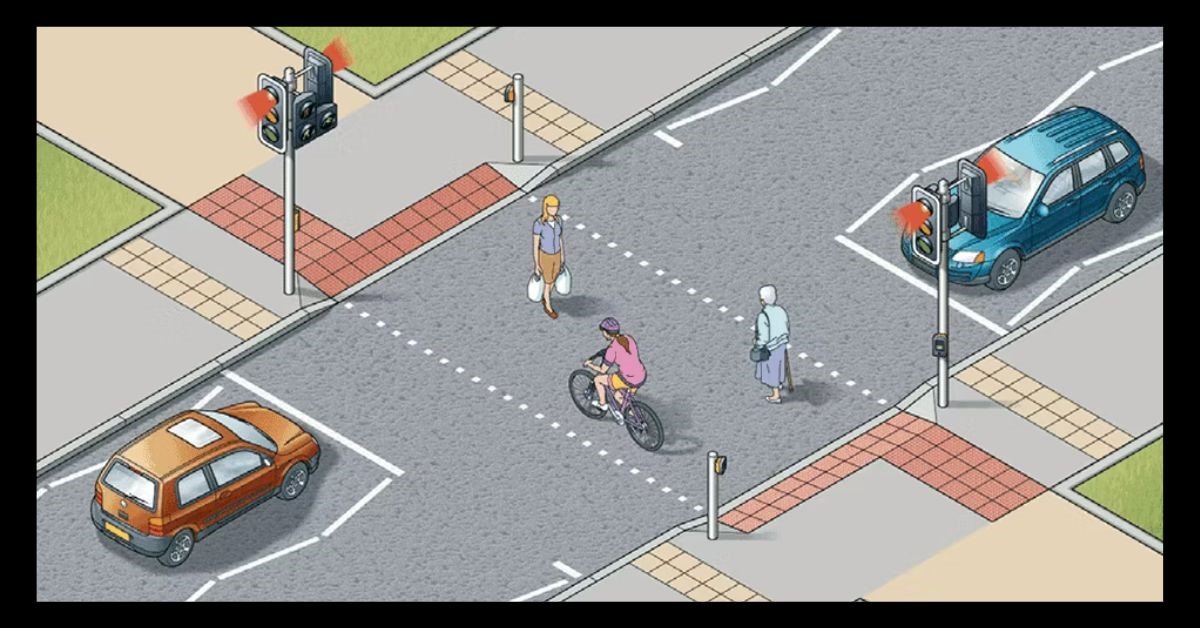
A pelican crossing is a type of pedestrian crossing controlled by traffic lights. Unlike standard crossings, it allows pedestrians to activate the lights using a push button, giving them a safe interval to cross. These crossings are commonly found in urban areas, near schools, shopping zones, and busy streets, offering controlled pedestrian access and enhanced safety.
History and Development of Pelican Crossings
Pelican crossings were first introduced in the United Kingdom in the 1960s as a solution to improve pedestrian safety on busy roads. The term “pelican” is derived from “PEdestrian LIght CONtrolled” crossing. Over the decades, their design and functionality have evolved with traffic management needs, incorporating modern signaling systems and safety improvements.
Read More: Understanding the Role and Safety of Puffin Crossings
How Pelican Crossings Work
Pelican crossings operate using a combination of pedestrian push buttons and traffic signals. When a pedestrian presses the button, the traffic lights for vehicles turn red after a short delay, and the pedestrian signal shows a green “walk” icon. The system includes a flashing phase to alert pedestrians and drivers that the crossing phase is ending, ensuring smooth traffic flow and safety.
Key Components of a Pelican Crossing
The main components of a pelican crossing include the pedestrian push buttons, traffic lights for vehicles, pedestrian signals, audible alerts for visually impaired individuals, and tactile paving. These components work together to provide a controlled and accessible crossing point for all types of pedestrians, including children, elderly people, and people with disabilities.
Differences Between Pelican and Other Crossings
Pelican crossings differ from zebra, puffin, and toucan crossings. Unlike zebra crossings, which rely solely on vehicle yielding, pelican crossings use traffic lights for control. Puffin crossings use sensors to detect pedestrians, while toucan crossings accommodate both pedestrians and cyclists. Each type is designed to suit specific traffic and pedestrian needs.
Benefits of Pelican Crossings
Pelican crossings offer several benefits, including enhanced pedestrian safety, reduced vehicle-pedestrian conflicts, and orderly traffic management. They are particularly useful in high-traffic areas, helping prevent accidents and allowing pedestrians to cross safely. The audible signals also improve accessibility for visually impaired individuals.
Common Issues and Challenges
Despite their benefits, pelican crossings face challenges such as pedestrian impatience, jaywalking, and occasional vehicle non-compliance. Mechanical failures, improper maintenance, and visibility issues can also reduce their effectiveness. Educating both drivers and pedestrians about proper usage remains essential to maximizing safety.
Safety Tips for Pedestrians
Pedestrians should wait for the green walk signal, avoid crossing during the flashing phase, and remain alert to surrounding traffic. Using tactile paving and audible alerts enhances safety for visually impaired individuals. Teaching children proper crossing behavior is also critical to prevent accidents near pelican crossings.
Safety Tips for Drivers
Drivers should approach pelican crossings cautiously, obey traffic signals, and be aware of pedestrians pressing the button. Reducing speed near crossings, maintaining a safe distance from the crossing zone, and staying vigilant for distracted pedestrians improves safety and prevents collisions.
Technology Behind Modern Pelican Crossings
Modern pelican crossings integrate sensors, timers, and LED lighting for improved visibility and efficiency. Some crossings include adaptive traffic control systems that adjust signal timing based on pedestrian flow, vehicle density, and real-time traffic conditions. These technological advancements enhance both safety and traffic efficiency.
Pelican Crossings in Urban Planning
Urban planners consider pelican crossings essential for pedestrian-friendly city design. Strategic placement near schools, hospitals, shopping centers, and public transport hubs encourages walking and reduces traffic congestion. They also contribute to safer, more accessible cities for all residents.
Pedestrian Behavior and Crossing Efficiency
Understanding pedestrian behavior is critical to optimizing pelican crossings. Factors like crossing speed, compliance with signals, and crowd density influence crossing efficiency. Studies show that well-designed crossings reduce waiting time, minimize accidents, and promote orderly pedestrian movement.
Case Studies and Examples
Numerous cities have successfully implemented pelican crossings to improve safety. In London, crossings near schools reduced pedestrian accidents significantly. International examples, like crossings in Singapore and Australia, demonstrate the global adoption of controlled pedestrian crossings to enhance urban mobility and safety.
Future of Pelican Crossings
The future of pelican crossings may include AI-driven systems, improved accessibility features, and integration with smart city infrastructure. Autonomous vehicles and connected pedestrian networks will require crossings to adapt, offering safer and more efficient navigation for both pedestrians and drivers.
Conclusion
Pelican crossings are a vital element of modern traffic management, providing controlled, safe pedestrian access while maintaining traffic flow. Through careful planning, technological improvements, and proper usage by both pedestrians and drivers, these crossings continue to play an essential role in urban safety and mobility.
Read More: Nutella Slices: The Sweet Innovation Everyone Loves
FAQs
1. What does “pelican” stand for in pelican crossings?
It stands for “PEdestrian LIght CONtrolled” crossing.
2. How does a pelican crossing differ from a zebra crossing?
Pelican crossings use traffic lights, whereas zebra crossings rely on vehicles yielding.
3. Are pelican crossings accessible to visually impaired pedestrians?
Yes, they include audible alerts and tactile paving for accessibility.
4. Can drivers ignore a red light at a pelican crossing?
No, drivers must stop when the traffic light turns red.
5. Are pelican crossings used outside the UK?
Yes, many countries have adapted similar traffic-controlled pedestrian crossings.

Understanding AI Agent Architecture: From Automation to Autonomous Intelligence

How DMCA Ignored Hosting Help Adult Content Sites?

Other Alternatives to the Bigbunny Login Casino
Web UI Design Services, Custom Web App Development, or Local Product Design: Where to Start

Type-C to C vs Type A to Type C Cable: What’s the Difference?

How Executive Search Software Selects and Manages Senior Leadership Candidates

Data Science Course in Pune with Placement Support: From Classroom Training to Your First Job

Ethical Hacking Courses in Mumbai with Placement: Institutes, Duration, Fees & Jobs 2026

Best Micro Influencer Agency Singapore: Why Micro Beats Macro for Conversion

What Makes a Crypto Exchange Top-Rated? Understanding the Ranking Criteria
Web UI Design Services, Custom Web App Development, or Local Product Design: Where to Start
How Executive Search Software Selects and Manages Senior Leadership Candidates
Other Alternatives to the Bigbunny Login Casino
Type-C to C vs Type A to Type C Cable: What’s the Difference?
How DMCA Ignored Hosting Help Adult Content Sites?
Understanding AI Agent Architecture: From Automation to Autonomous Intelligence


 Tech2 years ago
How to Use a Temporary Number for WhatsApp
- Business3 years ago
Sepatuindonesia.com | Best Online Store in Indonesia
- Social Media2 years ago
The Best Methods to Download TikTok Videos Using SnapTik
- Technology2 years ago
Top High Paying Affiliate Programs
- Tech2 years ago
Understanding thejavasea.me Leaks Aio-TLP: A Comprehensive Guide
- FOOD2 years ago
How to Identify Pure Desi Ghee? Ultimate Guidelines for Purchasing Authentic Ghee Online

 Instagram4 years ago
Free Instagram Auto Follower Without Login
- Instagram4 years ago
Free Instagram Follower Without Login