
Business
7 Smart Ways Packaging Plants Boost Output Without Hiring More Workers

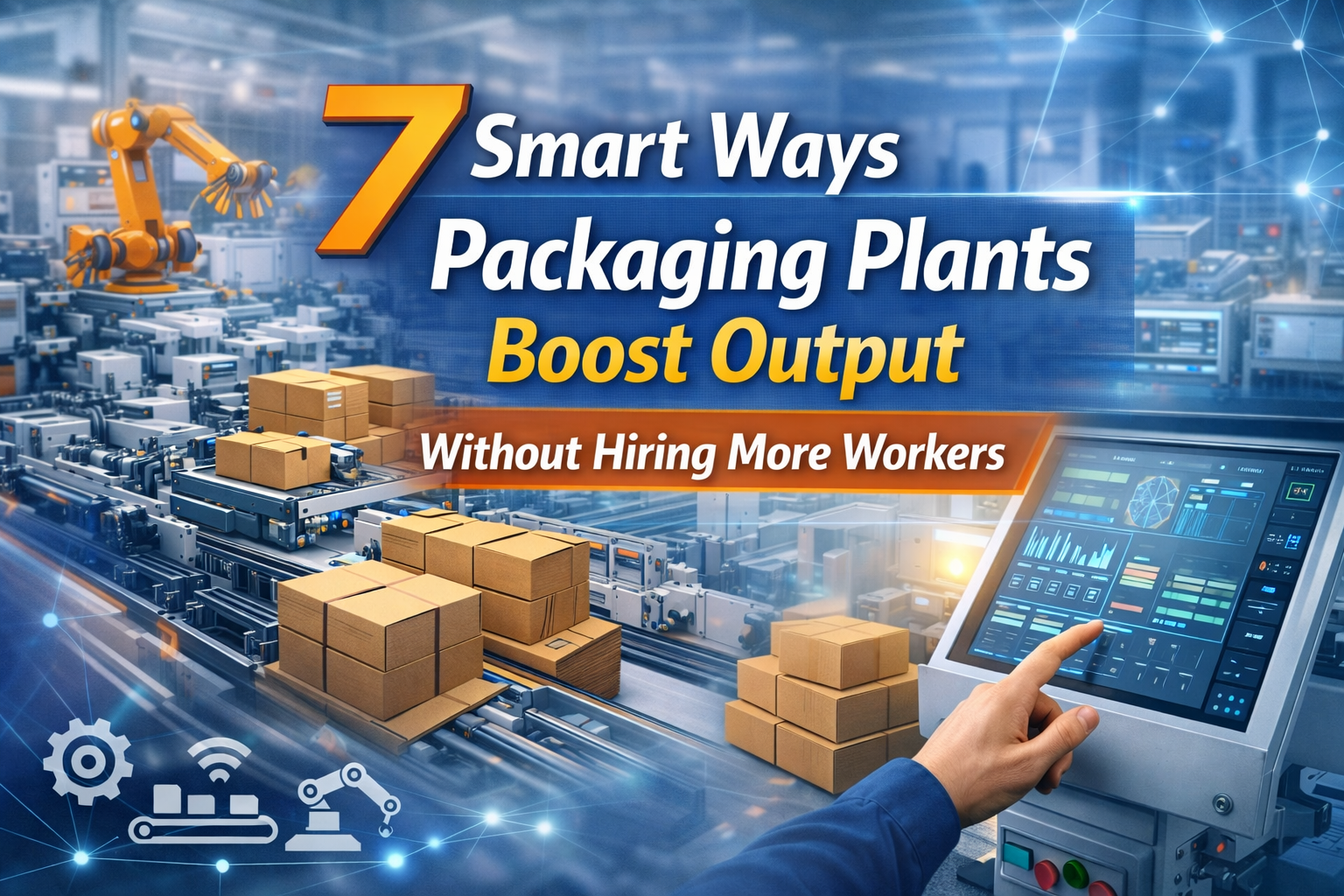
Packaging plants across the industry are doubling their output without hiring a single new employee. Sounds too good to be true? It’s happening right now in facilities worldwide, and it’s more achievable than most plant managers realize.
The packaging industry is dealing with serious pressure. E-commerce keeps growing, but finding skilled workers has become nearly impossible. Wages are climbing. Training takes forever. The old solution of “just hire more people” isn’t cutting it anymore.
What’s actually working? Smart automation that makes existing teams more productive. Here are seven proven strategies packaging plants are using to crank up output without adding headcount.
1. Invest in High-Speed Folder Gluer Equipment
If you’re going to automate one thing, start here. A high speed automatic folder gluer machine changes everything about how your production floor operates.
These machines process 150-280 sheets per minute. That’s not a typo, they’re genuinely that fast. More importantly, they run consistently all shifts long without getting tired or making random mistakes.
Production jumps 50-75% with the same number of operators. Defect rates drop below 0.5%. One person can oversee what used to need three or four workers. Modern systems come with precision feeding, touchscreen controls anyone can learn quickly, and automatic counting that eliminates manual sorting.
The math is simple: your skilled operators suddenly manage way more output than before.
2. Take Advantage of Quick Changeover Features
Remember when switching box sizes meant shutting down for an hour? Those days are over.
Today’s automatic pasting machine for corrugated boxes uses servo motors and digital recipes. Changeovers that used to require a whole team now take one operator about five minutes. You’re not wasting hours between production runs, short runs become profitable instead of painful, and customer orders get filled faster.
The flexibility alone is worth it. You’re addressing labor shortages while improving customer responsiveness.
3. Let Machines Handle Quality Inspection
Packaging plants often waste substantial labor on quality checks. Workers standing there all day, looking at boxes, trying to stay focused. It’s exhausting and not that effective.
Vision systems have completely changed this game. Modern folder gluers come with cameras that inspect every single box, glue position, fold alignment, structural integrity, all of it. Thousands of boxes checked per hour with perfect accuracy. Problems get caught and rejected automatically without stopping production.
What used to eat up dedicated staff time now happens automatically. Teams can focus on actually important tasks instead of staring at boxes all day.
4. Build Your System in Modules
Many plants avoid automation because of concerns about massive upfront costs. These are legitimate concerns worth addressing.
Modular equipment solves this challenge. There’s no need to replace everything at once. Start with the basics, then add extra gluing stations when volume increases, vision inspection when quality becomes critical, or better material handling as throughput grows.
The approach makes sense financially. Production scales gradually without scaling the workforce. Some facilities have doubled output over a few years with essentially the same core team.
5. Use Production Data to Find Improvements
This might be the most underrated advantage of modern equipment. The data these systems generate is incredible.
Real-time visibility shows everything, actual production rates versus targets, material waste percentages, energy use, equipment utilization, quality metrics across different shifts.
Here’s what successful plants do with that information: they keep getting better. Find bottlenecks. Adjust workflows. Optimize material usage based on actual facts instead of guessing. Companies doing this well see material efficiency improve 20% or more, which translates to money straight to the bottom line without adding people.
6. Connect Everything Into One System
When your equipment talks to itself, magical things happen. Instead of workers manually transferring information between steps, modern systems coordinate automatically. Your printing equipment tells the folder gluer exactly what specs to use. Material tracking syncs with scheduling.
Fewer people can manage more complex operations because the system handles coordination. What used to need specialized coordinators now runs smoothly under operator supervision.
7. Train Your Current Team Instead of Expanding It
Here’s the thing about automation that many people miss: it’s not about replacing workers, it’s about making them more valuable.
The smartest packaging plants invest in training existing employees to run these automated systems. It’s cheaper than hiring, and creates a more skilled, better-paid team that produces significantly more. Modern equipment is designed for this with intuitive interfaces and built-in tutorials.
The result? A smaller team that’s more skilled, earns better wages, and produces significantly more output. Everyone wins.
Making the Decision
The evidence is clear. Packaging operations can boost output substantially without proportionally increasing labor costs. But strategic planning is essential.
Consider where the biggest bottlenecks are. Don’t try to automate everything at once, start where the most impact will be seen. Ensure whatever equipment purchased will integrate with existing systems.
When exploring automation options, partner with suppliers who genuinely understand packaging operations. CENWAN has spent over ten years focused specifically on folder gluer technology for packaging manufacturers dealing with exactly these productivity and labor challenges. Their approach covers everything from optimizing configurations to training operators, providing ongoing service support, and delivering equipment that holds up in demanding production environments. They take “thinking what customers think” seriously, which means facilities get solutions actually tailored to their specific situations.
The packaging plants thriving right now aren’t necessarily the biggest. They’re the ones using automation strategically to maximize capabilities with existing resources while staying flexible enough to adapt when market demands shift.
Common Questions About Packaging Automation
Q: How quickly can we see ROI from folder gluer automation?
Most packaging facilities see measurable returns within 12-24 months through reduced labor costs, decreased material waste, and increased throughput. Exact timeframes depend on production volumes and current labor costs.
Q: Can smaller operations benefit from automation?
Absolutely. Modern folder gluer equipment features modular designs that make automation accessible to operations of all sizes, delivering dramatic productivity improvements even for smaller facilities.
Q: How difficult is operator training for automated equipment?
Modern folder gluer machines feature intuitive interfaces designed for operator accessibility. Most workers become proficient within days with proper training programs from experienced equipment suppliers.
Q: What maintenance do automated systems require?
Automated systems need regular preventive maintenance but typically demand less overall maintenance than manual processes when properly maintained, with quick component replacement minimizing downtime.
Q: Can automation handle diverse box styles and sizes?
Yes. Modern folder gluer equipment features rapid changeover through servo-driven adjustments and recipe-based programming, making automation practical for diverse product mixes.


7 Smart Ways Packaging Plants Boost Output Without Hiring More Workers

8 Best Call Management Apps for Businesses

wapbald Platform Explained: Uses, Safety, and Reality

smartp Guide for Practical, Everyday Digital Use

Phelicznik Explained: Meaning, Uses, and Real Value

Kouskousi: The Delicious Tradition You Must Try

Hastovenetor: A Practical Guide to Understanding It

g360vn: Uncovering Its Features, Benefits, and Real Uses

Cyberpsc.com: A Practical Guide to What It Offers

Templesca Explained: Meaning, Use, and Real Value

Comprehensive Financial Retirement Planning for Seniors

apicychat Guide to Meaningful AI Conversations

Wedding: A Celebration of Love, Commitment, and New Beginnings

Skmpcity Platform Overview for Practical User Insight

dikganes Explained: Meaning, Usage, and Digital Significance

Zoix18 Explained: Meaning, Uses, and Real Value

Jememintre: Meaning, Uses, and Real-World Relevance

Techitl Explained: Meaning, Purpose, and Digital Relevance

spabkbabg Explained: Meaning, Context, and Use

Torssfa Info Explained: Meaning, Use, and Online Relevance
7 Smart Ways Packaging Plants Boost Output Without Hiring More Workers
8 Best Call Management Apps for Businesses
wapbald Platform Explained: Uses, Safety, and Reality

How to Use a Temporary Number for WhatsApp

Sepatuindonesia.com | Best Online Store in Indonesia

The Best Methods to Download TikTok Videos Using SnapTik
-
 Tech1 year ago
How to Use a Temporary Number for WhatsApp
-
 Business2 years ago
Sepatuindonesia.com | Best Online Store in Indonesia
-
 Social Media2 years ago
The Best Methods to Download TikTok Videos Using SnapTik
-

 Technology2 years ago
Top High Paying Affiliate Programs
-

 Tech12 months ago
Understanding thejavasea.me Leaks Aio-TLP: A Comprehensive Guide
-

 FOOD1 year ago
How to Identify Pure Desi Ghee? Ultimate Guidelines for Purchasing Authentic Ghee Online
-
 Instagram3 years ago
Free Instagram Auto Follower Without Login
-
 Instagram3 years ago
Free Instagram Follower Without Login