
Blog
Inside the World of $1 Million Luxury Supercars

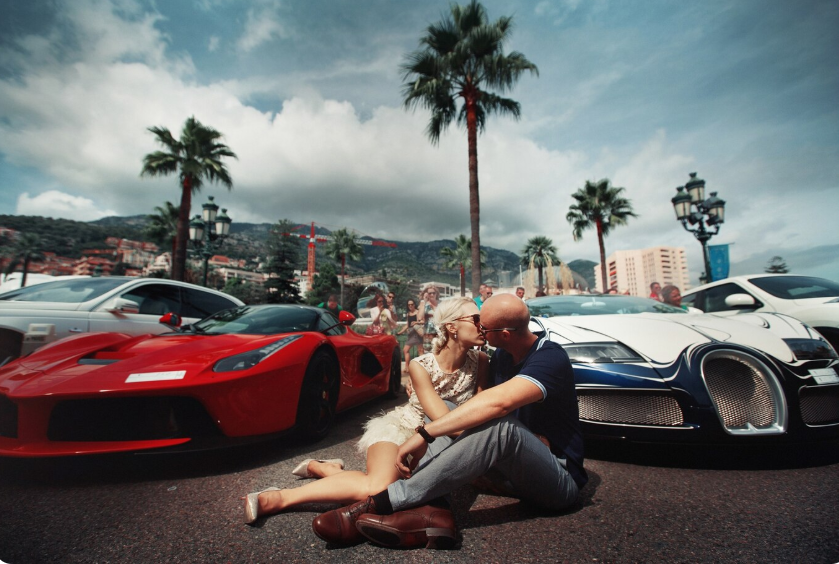
The automotive world has always been a place where engineering and design meet performance. But for the elite class of enthusiasts and collectors, ordinary vehicles just won’t do. Enter the $1 million luxury supercar club—a realm reserved for the finest craftsmanship, the boldest technologies, and the rarest badges. These cars are not merely modes of transportation; they are rolling works of art, status symbols, and investments that hold their value or even appreciate over time. From Bugatti to Pagani, the market for million-dollar cars is expanding as ultra-high-net-worth individuals seek both thrill and exclusivity.
Why Million-Dollar Cars Exist
Million-dollar cars exist for reasons that go far beyond transportation. They serve as status symbols for the ultra-wealthy, offering exclusivity and performance that can’t be found in standard vehicles. Automakers produce them in extremely limited quantities, often using the most cutting-edge technology, lightweight materials, and hand-crafted details. Each model tells a story—of heritage, innovation, or ambition. For some, these cars are trophies; for others, they’re collectibles akin to art. For the brands themselves, they represent the pinnacle of what is possible, showing off their engineering prowess without budget constraints.
Limited Production for Maximum Exclusivity
A major reason these cars command seven-figure price tags is their scarcity. Many million-dollar supercars are produced in batches as small as 10 to 100 units worldwide. Limited production increases perceived value and desirability, often resulting in years-long waiting lists. Manufacturers like Koenigsegg, Pagani, and Bugatti build by hand, each model taking weeks or even months to complete. The promise of owning something almost no one else will ever drive appeals deeply to buyers who already have everything. Exclusivity becomes part of the car’s DNA, ensuring that it becomes a talking point and a legacy piece for generations.
Performance Beyond Imagination
Million-dollar luxury cars are not just beautiful—they are built for unimaginable speed and control. Brands like Bugatti and Rimac have pushed the boundaries of what is physically possible in a production car. The Bugatti Chiron Super Sport, for example, reaches speeds of over 300 mph. Electric hypercars like the Rimac Nevera can go from 0 to 60 mph in under two seconds. These vehicles boast horsepower figures north of 1,000 and use advanced aerodynamics, torque vectoring systems, and carbon-fiber components to keep performance refined and exhilarating. The driving experience is as close to flying on land as one can get.
Design That Blurs Art and Machine
Every inch of a million-dollar car is intentional, sculpted for both beauty and performance. The bodywork often features flowing lines, aggressive aerodynamics, and lightweight materials such as forged carbon or titanium. Interiors are adorned with handcrafted leather, precious metals, carbon fiber, and touchpoints tailored to the owner’s preferences. Many brands allow full customization—down to the stitching color or the type of wood trim. Brands like Rolls-Royce and Aston Martin even offer bespoke design departments, working closely with buyers to create one-of-a-kind vehicles that mirror their taste and lifestyle.
Cutting-Edge Technology Inside and Out
Luxury supercars at this price point are often testbeds for the newest automotive technology. This includes adaptive suspension systems, torque-vectoring differentials, carbon ceramic brakes, and advanced telemetry systems. Some feature jet fighter–style HUDs, augmented reality dashboards, or built-in biometric sensors to adjust settings based on the driver’s mood or vital signs. Hybrid or electric drive systems are also becoming increasingly common, combining sustainability with earth-shattering performance. Companies like Lotus and McLaren have begun integrating AI-based driving dynamics, making these vehicles not just powerful, but smart as well.
The Most Famous $1M+ Models in the World
Several automotive legends stand out in the million-dollar club. The Bugatti Chiron, known for its unprecedented speed and luxury, routinely sells for $3 million. Pagani’s Huayra Roadster is a piece of mechanical art, produced in extremely limited numbers and often sold out before public announcements. Koenigsegg’s Jesko offers cutting-edge performance wrapped in aerodynamic perfection, while the Aston Martin Valkyrie aims to bring F1 technology to the streets. These vehicles are often so rare that spotting one in the wild is considered a major event among car enthusiasts.
Ownership Experience Beyond the Car
When someone buys a million-dollar car, they’re also buying into a lifestyle. Ownership often comes with a concierge-level experience, including invitations to VIP track days, private previews of new models, and dedicated service teams that fly out to fix issues personally. Brands like Lamborghini, Ferrari, and McLaren treat these customers like royalty, offering tailored ownership programs, yearly events, and even access to exclusive racing programs. Some companies, like Bugatti, offer custom garages and furniture to match the vehicle, making ownership an immersive experience that goes far beyond the drive.
Collector Value and Investment Potential
While cars are generally considered depreciating assets, million-dollar supercars often prove the exception. Limited-edition models, especially those with historical significance or low mileage, can double or triple in value within a decade. Auctions like RM Sotheby’s and Barrett-Jackson frequently see these cars go under the hammer for staggering amounts. A Ferrari LaFerrari that originally sold for around $1.4 million now commands over $3 million in rare cases. Because demand outstrips supply and models are often discontinued after short runs, their value in the collector market can skyrocket.
Electric Hypercars Enter the Arena
The world of million-dollar cars is also embracing electric innovation. Rimac, Lotus, and even Pininfarina have created electric hypercars that blend eco-conscious engineering with blistering performance. The Rimac Nevera, with 1,914 horsepower and torque vectoring at each wheel, is a benchmark in this field. These vehicles often feature fast charging, regenerative braking, and advanced battery cooling systems to maintain performance consistency. They are proof that the future of luxury performance isn’t just fast—it’s also sustainable.
Customization as an Artform
Customization plays a crucial role in the allure of million-dollar cars. Buyers are given near-complete freedom over the design process. Whether it’s a unique color from a family crest, exotic materials from a personal collection, or embroidered initials in the seats, nothing is off the table. Manufacturers like Rolls-Royce and Bentley offer “coachbuild” services, where the entire car is custom-built from the chassis up. This degree of personalization ensures that no two cars are exactly alike—cementing each vehicle’s identity as a personal expression of its owner.
Challenges of Owning a Supercar
While owning a million-dollar car is a dream, it does come with its own set of challenges. Insurance costs are extremely high, often requiring specialty providers. Maintenance is intricate and expensive, with some parts needing to be flown in from across the world. The cars are often too low or wide for standard roads, and parking them in urban settings can be difficult. Most importantly, the fear of scratches, accidents, or theft can prevent owners from driving them regularly. For this reason, many of these vehicles are stored in climate-controlled garages and brought out only on special occasions.
The Rise of Hypercar Startups
The success of legacy automakers has inspired a new wave of hypercar startups entering the seven-figure market. Companies like Czinger, Aspark, and De Tomaso are creating stunning vehicles with new manufacturing techniques, such as 3D-printed components or full carbon fiber chassis. These brands aim to challenge industry titans by offering unique aesthetics and radical engineering. While they may lack the heritage of Ferrari or Bugatti, their innovation and ambition have made them serious contenders in the ultra-luxury space.
Million-Dollar Cars and Popular Culture
These vehicles aren’t just admired in showrooms—they often become icons in films, music videos, and social media. The Bugatti Veyron, for example, was featured in countless movies and rap lyrics, becoming synonymous with wealth and speed. YouTubers and influencers often showcase hypercars to build credibility and attract attention. As a result, these cars hold immense cultural value beyond just their engineering merit. They represent power, aspiration, and the upper limits of human creativity in the automotive space.
Global Markets and Regional Demand

While the U.S. and Europe have traditionally led luxury car sales, emerging markets in the Middle East, China, and Southeast Asia are quickly catching up. Dubai and Abu Dhabi boast streets lined with McLarens and Lamborghinis, while China’s new rich are increasingly investing in rare automotive assets. Manufacturers are tailoring vehicles to regional tastes, offering gold accents, silk interiors, and even culturally inspired motifs. This globalization has helped fuel demand and made the million-dollar car market more resilient and diversified than ever before.
Final Thoughts
Million-dollar luxury cars will always capture human imagination. They are the ultimate expressions of power, beauty, and individuality on four wheels. While they’re not practical or necessary, they embody what’s possible when engineering meets art with no financial constraints. Whether seen as an investment, a passion, or a lifestyle statement, these vehicles continue to dazzle the world—and they aren’t going anywhere soon.


Templesca Explained: Meaning, Use, and Real Value

Snowhiter Meaning: Understanding Its Use and Relevance

Porpenpelloz Explained: Meaning, Use, and Real Value

Nidixfun Meaning: Exploring Its Use and Real-World Value

Lexoworpenz: Understanding Its Meaning and Real Use

Kleptotoxicity Explained: How Organisms Steal Chemical Defense

ASX1.com Overview: What It Is and Why It Matters

How Industrial LED Strip Light Suppliers Support Heavy-Duty Projects

Valxye Meaning, Usage, and Online Presence

Torssfa: Meaning, Usage, and Online Presence

Comprehensive Financial Retirement Planning for Seniors

apicychat Guide to Meaningful AI Conversations

Wedding: A Celebration of Love, Commitment, and New Beginnings

Skmpcity Platform Overview for Practical User Insight

Zoix18 Explained: Meaning, Uses, and Real Value

dikganes Explained: Meaning, Usage, and Digital Significance

Techitl Explained: Meaning, Purpose, and Digital Relevance

Jememintre: Meaning, Uses, and Real-World Relevance

spabkbabg Explained: Meaning, Context, and Use

Pirntn Explained: Meaning, Use, and Real Value
Templesca Explained: Meaning, Use, and Real Value
Snowhiter Meaning: Understanding Its Use and Relevance
Porpenpelloz Explained: Meaning, Use, and Real Value

How to Use a Temporary Number for WhatsApp

Sepatuindonesia.com | Best Online Store in Indonesia

The Best Methods to Download TikTok Videos Using SnapTik
-
 Tech1 year ago
How to Use a Temporary Number for WhatsApp
-
 Business2 years ago
Sepatuindonesia.com | Best Online Store in Indonesia
-
 Social Media2 years ago
The Best Methods to Download TikTok Videos Using SnapTik
-

 Technology2 years ago
Top High Paying Affiliate Programs
-

 Tech12 months ago
Understanding thejavasea.me Leaks Aio-TLP: A Comprehensive Guide
-

 FOOD1 year ago
How to Identify Pure Desi Ghee? Ultimate Guidelines for Purchasing Authentic Ghee Online
-
 Instagram3 years ago
Free Instagram Auto Follower Without Login
-
 Instagram3 years ago
Free Instagram Follower Without Login