
Health
Zirconia Teeth: The Ultimate Guide to Strong and Natural Smiles

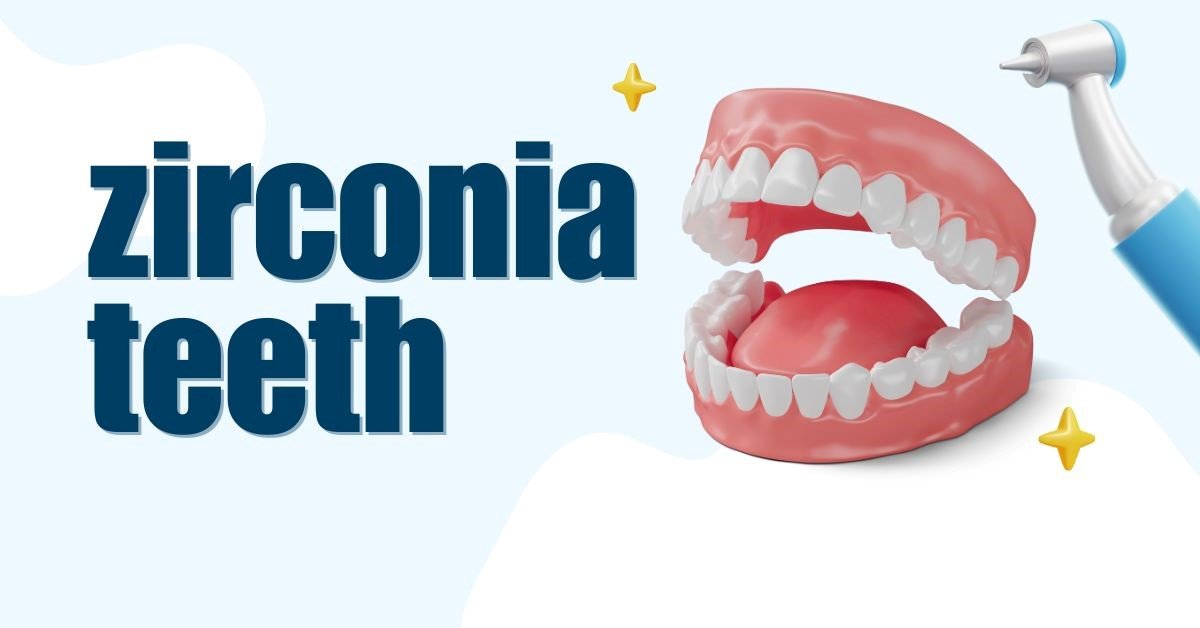
Modern dentistry has made incredible advancements in tooth restoration, and zirconia teeth stand at the forefront of this revolution. Known for their strength, natural look, and durability, zirconia crowns and implants have become the preferred choice for patients seeking long-lasting, aesthetic dental solutions. But what makes zirconia so special, and why is it increasingly replacing traditional materials like porcelain or metal? Let’s explore everything you need to know about zirconia teeth in detail.
What Are Zirconia Teeth?
Zirconia teeth are dental crowns, bridges, or implants made from zirconium dioxide—a strong ceramic material that combines durability with a natural tooth-like appearance. Unlike metal-based crowns, zirconia offers a metal-free alternative that mimics the translucency and color of real enamel. This makes it ideal for both front and back teeth restorations.
Read More: Sensitive Teeth? Here Is the Relief (Toothpaste & Mouthwash Solutions)
Why Zirconia Is Popular in Modern Dentistry
Zirconia has gained popularity because it bridges the gap between strength and aesthetics. Traditional crowns like porcelain-fused-to-metal (PFM) often show a gray line near the gum over time, while zirconia crowns remain perfectly white and seamless. Dentists also love zirconia because it’s biocompatible, meaning it integrates well with the body without causing allergic reactions or gum irritation.
The Science Behind Zirconia Teeth
Zirconia, scientifically known as zirconium dioxide (ZrO₂), is a form of crystal ceramic used in both medical and industrial applications due to its incredible toughness. In dentistry, zirconia is processed through high heat to enhance its density and hardness, making it one of the strongest dental materials available. It can withstand the daily pressure of chewing, grinding, and biting without cracking or chipping easily.
Types of Zirconia Used in Dentistry
There are two main types of zirconia materials used for teeth restorations:
- Monolithic Zirconia: Made entirely from solid zirconia, this type is exceptionally durable and best suited for molars and back teeth that handle heavy chewing.
- Layered Zirconia: Features a zirconia base with a porcelain layer on top, offering enhanced translucency and aesthetics for front teeth where appearance matters most.
Benefits of Zirconia Teeth
Zirconia teeth offer multiple advantages over traditional dental materials.
- Exceptional Strength: Zirconia is nearly five times stronger than porcelain, making it resistant to cracks and fractures.
- Natural Appearance: Its translucency closely resembles real enamel, providing a beautiful and realistic finish.
- Biocompatibility: Zirconia is hypoallergenic and safe for people with metal sensitivities.
- Minimal Tooth Reduction: Dentists can preserve more of the natural tooth structure because zirconia crowns require less trimming.
- Long Lifespan: With proper care, zirconia crowns can last 15–20 years or even longer.
Zirconia vs. Porcelain Crowns
While porcelain crowns are known for their aesthetic beauty, they are more fragile compared to zirconia. Porcelain can chip or crack under pressure, especially on back teeth. Zirconia crowns, on the other hand, combine natural looks with superior durability. Additionally, zirconia does not cause the gray shadow effect that porcelain-fused-to-metal crowns often produce near the gumline. In essence, zirconia offers the best of both worlds—beauty and brawn.
Zirconia vs. Metal Crowns
Metal crowns, though extremely durable, fail to match the natural look of real teeth. They are also prone to causing allergic reactions or gum discoloration in some patients. Zirconia provides the same (if not better) strength as metal crowns without any aesthetic compromise or health risks. For patients seeking a natural and metal-free solution, zirconia is a superior alternative.
The Zirconia Crown Procedure
Getting zirconia teeth typically involves multiple steps over two dental visits.
- Examination and Preparation: The dentist first examines the damaged or decayed tooth and removes any affected areas.
- Tooth Shaping: The tooth is reshaped slightly to create space for the crown.
- Impression or 3D Scan: A digital scan or physical mold of the tooth is taken to design a perfectly fitting crown.
- Temporary Crown: A temporary crown is placed while the permanent one is being custom-made.
- Crown Placement: Once ready, the zirconia crown is cemented into place, restoring both the tooth’s function and aesthetics.
How Zirconia Implants Differ from Traditional Ones
Zirconia is also used to make dental implants, which serve as artificial tooth roots. Unlike titanium implants, zirconia implants are metal-free, making them ideal for patients with allergies or sensitivities. They also offer a natural white color that blends seamlessly with surrounding teeth, unlike titanium, which can cause gray shading through the gums in thin tissue areas.
Durability and Longevity of Zirconia Teeth
Zirconia crowns and implants are renowned for their strength and longevity. They resist daily wear, temperature changes, and staining. With proper oral hygiene, these restorations can last for decades. Regular checkups and professional cleanings help ensure they remain in top condition for many years.
Maintenance and Care Tips
Caring for zirconia teeth is simple and similar to maintaining natural teeth:
- Brush twice daily using a soft-bristle toothbrush.
- Floss gently around the crown or implant.
- Avoid biting on hard objects like ice or pens.
- Visit your dentist regularly for checkups and cleanings.
Maintaining good oral hygiene ensures that the gums and surrounding teeth stay healthy, supporting the long life of your zirconia restorations.
Possible Drawbacks of Zirconia Teeth
Although zirconia teeth have many benefits, they also have a few limitations. The primary concern is their hardness, which can sometimes cause wear on opposing natural teeth if not polished correctly. Additionally, zirconia crowns may cost more than other types, reflecting their advanced material and superior durability. However, most patients find that the long-term benefits outweigh the initial investment.
Cost of Zirconia Teeth
The cost of zirconia teeth can vary based on factors such as location, dentist experience, and the type of restoration needed. On average, zirconia crowns cost between $800 and $2,500 per tooth. Though more expensive than porcelain or metal crowns, their longevity and aesthetic appeal make them a worthwhile investment for long-term dental health and confidence.
Who Should Choose Zirconia Teeth
Zirconia teeth are ideal for anyone seeking a natural-looking, durable, and metal-free restoration. They’re perfect for people with metal allergies, those needing crowns on back teeth, or individuals who value aesthetics as much as function. If you grind your teeth (bruxism) or require a full-mouth restoration, zirconia’s strength makes it a great choice.
Zirconia Bridges and Full Mouth Restorations
For patients missing several teeth, zirconia bridges offer a seamless and strong solution. A zirconia bridge can replace multiple missing teeth using crowns anchored to adjacent healthy teeth. In full-mouth restorations, zirconia is often used to craft complete sets of upper and lower teeth, providing durability, aesthetics, and a perfectly aligned bite.
Zirconia and Digital Dentistry
Modern dental clinics now use digital CAD/CAM (Computer-Aided Design and Manufacturing) technology to design zirconia crowns with precision. This digital process ensures perfect fitting, faster turnaround times, and highly customized results. It eliminates guesswork and delivers natural-looking crowns tailored to each patient’s unique smile.
Aesthetic Advantages of Zirconia
One of zirconia’s standout features is its natural translucency, which allows light to pass through like real enamel. This gives a lifelike appearance that blends effortlessly with neighboring teeth. Unlike opaque metal crowns, zirconia teeth reflect light beautifully, giving patients a radiant and confident smile.
Zirconia for Dental Veneers
Though less common than porcelain veneers, zirconia veneers are gaining popularity among patients who desire added strength. They are slightly thicker than traditional veneers but provide enhanced durability for those who tend to clench or grind their teeth. Zirconia veneers are especially beneficial for back teeth or cases needing structural reinforcement.
Conclusion
Zirconia teeth represent the perfect fusion of technology, aesthetics, and strength in modern dentistry. Whether you’re considering a single crown, an implant, or a full-mouth restoration, zirconia offers a long-lasting and beautiful solution that mimics natural teeth in both appearance and function. With proper care and professional guidance, zirconia restorations can keep your smile strong and stunning for decades..
Read More: Craft Child: Leading the Way in Safe, Stylish, and Sustainable Baby Cribs
FAQs
1. How long do zirconia crowns last?
Zirconia crowns can last between 15 and 25 years with proper care and maintenance.
2. Are zirconia crowns better than porcelain?
Yes, zirconia crowns are stronger, more durable, and less prone to chipping compared to porcelain crowns.
3. Can zirconia teeth look natural?
Absolutely. Zirconia’s translucency closely mimics natural enamel, offering a realistic and aesthetic appearance.
4. Are zirconia crowns safe for people with allergies?
Yes, zirconia is completely biocompatible and metal-free, making it safe for individuals with metal allergies.
5. Is zirconia worth the cost?
Though pricier than other materials, zirconia’s durability, strength, and beauty make it a long-term, cost-effective investment.


Understanding AA and AAA Batteries: Choosing the Right Power Source for Your Devices

Yuppow.con: What You Should Know Before Visiting

Moviws2watch: What You Should Know First

Methstreamz: What to Know Before Streaming

Lekulent: What It Means and Why People Are Curious

Hdtodat: Meaning, Uses, and Practical Value Today

Eroaberry: What It Is and What Users Should Know

Allgames365: A Complete Look at the Platform Experience

Why Choosing a Professional Noida Digital Marketing Agency Matters in 2026

vmovee: What to Know Before You Stream

dikganes Explained: Meaning, Usage, and Digital Significance

FilmyzillaHD Explained: Movies, Risks, Legality, and Facts

Freemasx – A Complete Guide to Understanding the Platform

Epirnet: Transforming Digital Connectivity Today

Thithub: A Deep Dive Into the Platform’s Real Value

Dedicated Server Hosting Provider: What to Look For

iPhone 15 Cover: What Makes One Worth Buying and Another a Waste of Money

Navigating the Future of High-Performance Streaming: The Search for a New Standard

taktubr Explained: Meaning, Usage, and Digital Significance

Pinaflux: A Comprehensive Guide to the Rising Digital Innovation
Understanding AA and AAA Batteries: Choosing the Right Power Source for Your Devices
Yuppow.con: What You Should Know Before Visiting
Moviws2watch: What You Should Know First

How to Use a Temporary Number for WhatsApp

Sepatuindonesia.com | Best Online Store in Indonesia

The Best Methods to Download TikTok Videos Using SnapTik
-
 Tech1 year ago
How to Use a Temporary Number for WhatsApp
-
 Business2 years ago
Sepatuindonesia.com | Best Online Store in Indonesia
-
 Social Media2 years ago
The Best Methods to Download TikTok Videos Using SnapTik
-
 Technology2 years ago
Top High Paying Affiliate Programs
-

 Tech1 year ago
Understanding thejavasea.me Leaks Aio-TLP: A Comprehensive Guide
-

 FOOD1 year ago
How to Identify Pure Desi Ghee? Ultimate Guidelines for Purchasing Authentic Ghee Online
-
 Instagram3 years ago
Free Instagram Auto Follower Without Login
-
 Instagram3 years ago
Free Instagram Follower Without Login