
Blog
The Warm Glow of Traditional Candles Through Time

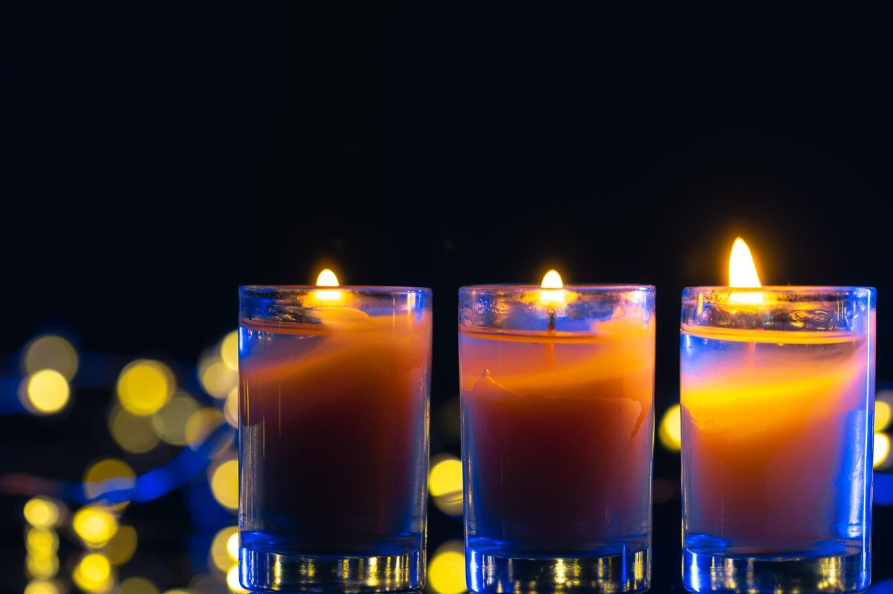
Traditional Candles. Candle making is believed to have originated over 5,000 years ago. Ancient Egyptians are credited with creating some of the earliest forms using reeds soaked in animal fat. Around the same period, Romans developed wicked candles made from tallow, which were more efficient and longer lasting. These early iterations were not only sources of light but also served religious and ceremonial purposes. In China and India, wax was derived from insects and boiling cinnamon, highlighting the geographical diversity in materials and methods. The invention of candles marked a significant leap in human innovation, allowing communities to extend their days into the night.
Religious and Cultural Significance
Traditional candles have played a profound role in religious and spiritual contexts. In Christianity, candles symbolize the presence of divine light, particularly during liturgies, vigils, and celebrations like Christmas and Easter. In Judaism, candles are integral to rituals such as the Sabbath and Hanukkah. Similarly, in Hinduism and Buddhism, candles—or oil lamps—are used in temples and homes to invoke peace, prosperity, and enlightenment. Their flame represents life, spirit, and consciousness. These symbolic uses have helped candles transcend their utilitarian function, becoming spiritual tools that bridge the material and the divine.
Evolution of Candle Materials
Originally, candles were made from tallow—rendered animal fat—which produced a smoky flame and an unpleasant odor. The introduction of beeswax marked a significant improvement. Beeswax candles burned cleaner and had a naturally sweet aroma. During the Middle Ages, they became popular in churches and homes of the wealthy. The 18th and 19th centuries saw the introduction of spermaceti (from sperm whales) and later stearin (from palm oil and other fats), making candles more accessible and affordable. Paraffin wax, discovered in the 19th century, revolutionized candle making due to its clean burn and low cost, making it the dominant material used even today.
Candle Making as a Household Craft
In earlier times, candle making was an essential household chore, especially before electricity. Families often set aside specific times of year—particularly in fall—for making enough candles to last the winter. This labor-intensive process involved melting fat, preparing wicks, and repeatedly dipping or molding. Despite the effort, it was a valued skill passed down through generations. Over time, candle making became a niche craft and eventually a popular hobby. Today, it serves not only as a practical skill but also as a creative outlet for artisans and enthusiasts who appreciate the beauty and tranquility candles bring.
The Symbolism of Candle Light
The soft flicker of a candle flame has long been associated with symbolism across cultures. It evokes warmth, hope, memory, and the eternal. In times of mourning, candles are lit to honor the dead, representing the soul’s ongoing journey. In romantic settings, they signify intimacy and connection. For many, lighting a candle is a meditative act—one that centers the mind and heart. This symbolic weight has helped maintain the cultural relevance of candles even in the age of LEDs and digital screens. Their light is not just physical illumination but a bearer of meaning and mood.
Types of Traditional Candles
Traditional candles come in various forms based on their method of manufacture and intended use. Taper candles are slender and often placed in candlesticks; they were once the most common household lighting. Pillar candles are wider and freestanding, offering longer burn times. Votive candles, usually placed in glass holders, are common in churches. Tea lights are small and versatile, often used for both functional and decorative purposes. Hand-dipped candles have a rustic appeal and are made by repeatedly dipping a wick into molten wax. Rolled beeswax candles, often handmade, feature a textured surface and a pleasant natural scent.
Cultural Traditions Involving Candles
From birthday celebrations to solemn memorials, candles are integral to global cultural traditions. In Scandinavian countries, Lucia Day is marked with a crown of candles worn by a chosen girl. In Mexico, Día de los Muertos (Day of the Dead) sees altars decorated with candles to guide spirits home. In the Philippines, candle-lit lanterns brighten the streets during Christmas festivals. In Africa, Kwanzaa is celebrated with a candle holder (kinara) representing the seven principles of African heritage. These diverse customs illustrate how traditional candles continue to carry cultural stories and values forward through the generations.
The Art of Candle Scenting
While early candles often had unpleasant odors due to their animal fat content, the addition of scents turned them into multi-sensory experiences. Traditional scented candles were made using essential oils like lavender, rose, frankincense, and sandalwood. These oils not only masked any residual odors from the wax but also offered therapeutic benefits. The use of scent elevated candles from purely functional to luxuriously atmospheric. Today, the artisanal candle industry includes small-batch producers who blend traditional waxes with natural scents, offering products that are both nostalgic and modern.
Traditional Candle Holders and Accessories
Candles have always been paired with accessories that enhance both form and function. In early times, iron or brass candlesticks were common in wealthy homes, while clay holders sufficed for peasants. Chandeliers holding multiple taper candles lit great halls and churches. Lanterns enclosed candles to protect their flames from wind and rain. Candle snuffers, wick trimmers, and drip trays were developed to maintain cleanliness and efficiency. Today, traditional candle holders are prized for their vintage charm, often serving as centerpieces or décor items that add an old-world touch to modern spaces.
Environmental Impact of Traditional Candles
The shift from tallow to beeswax and later paraffin brought both benefits and concerns. While paraffin candles are inexpensive and widely available, they are petroleum-based and can release small amounts of volatile organic compounds (VOCs) when burned. In contrast, beeswax and soy-based candles are cleaner and more sustainable. The revival of interest in eco-friendly living has led many to seek traditional candles made with natural materials. Artisans and small producers now focus on sourcing sustainable waxes, cotton or hemp wicks, and essential oil scents, aligning ancient traditions with modern environmental consciousness.
Handmade vs Factory-Made Candles
Handmade traditional candles offer a level of craftsmanship that factory-made versions often lack. Each hand-poured or hand-dipped candle is unique, made with care and attention to detail. Factory-made candles, while consistent in size and scent, can lack the character of handcrafted ones. The choice often comes down to purpose—mass-produced candles are more economical for everyday use, whereas handmade ones are cherished for their artistry and symbolism. Supporting handmade candle makers also contributes to small businesses and preserves time-honored techniques.
The Modern Resurgence of Traditional Candles
Despite technological advances, traditional candles are experiencing a cultural resurgence. People are drawn to their simplicity, warmth, and natural ambiance. The slow-living movement encourages the use of candles to create mindful spaces free from the harsh glare of screens and artificial lights. Wellness and self-care routines often include lighting a candle during yoga or meditation. In interior design, candles provide a tactile and emotional counterpoint to minimalism and digital detachment. This revival reflects a broader desire to reconnect with meaningful, sensory experiences from the past.
Safety Considerations with Traditional Candles
Traditional candles, while beautiful, come with fire risks. Proper safety practices are essential: never leave a burning candle unattended, keep it away from flammable objects, and trim the wick to avoid excessive flickering or smoke. Use sturdy, heat-resistant holders and ensure candles are placed on flat surfaces. Modern fire-retardant additives are sometimes used in wax blends, but natural candles rely on careful use. Educating users—especially children and the elderly—on safe candle practices is critical to enjoying their benefits without hazards.
DIY Candle Making at Home
Creating traditional candles at home has become a popular DIY trend. Kits are available for beginners, including everything from beeswax sheets to soy wax pellets and natural fragrance oils. Molds, wicks, thermometers, and pouring pots can help recreate the historic process in a modern kitchen. Beyond hobby value, homemade candles can be tailored for specific moods, events, or gifts. Whether rolled, poured, or dipped, homemade traditional candles foster a deeper appreciation for the craft and heritage behind this simple yet powerful object.
How to Choose the Right Traditional Candle
Choosing the right traditional candle depends on its intended use. For meditation, beeswax or soy with calming scents like lavender is ideal. For décor, pillar or taper candles in elegant holders provide ambiance. For rituals, unscented, slow-burning candles help maintain focus. Those with allergies might prefer pure beeswax candles without synthetic fragrance. Understanding wax types, burn time, and wick size can help users select the best candle for each occasion. Quality often outweighs price when it comes to achieving the authentic traditional experience.
Collecting and Restoring Vintage Candles
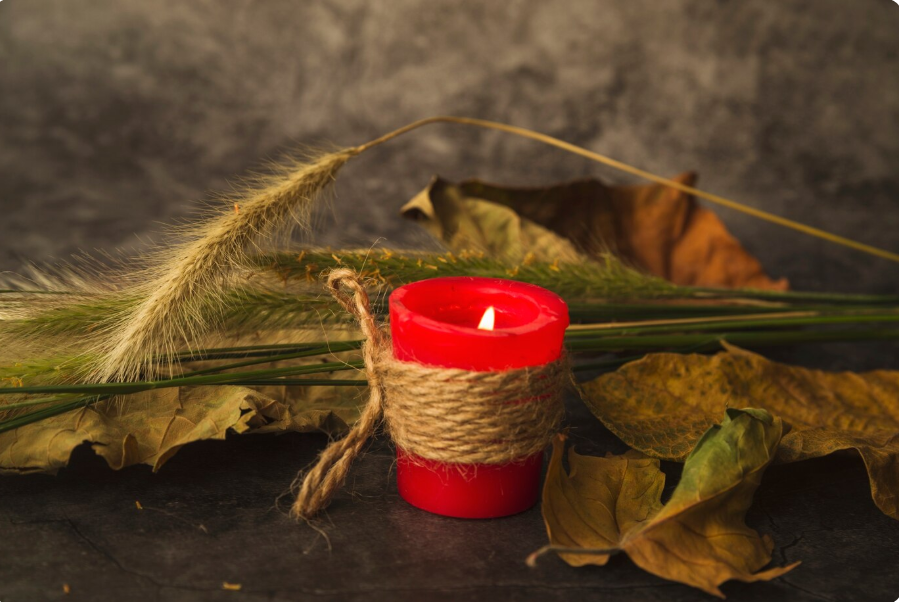
Collectors of traditional items often seek out vintage or antique candles and candle holders. These objects can be found at estate sales, auctions, and specialty shops. Brass, pewter, or ceramic candle holders from past centuries are especially valued. While vintage candles may not be usable due to brittleness or contamination, restoring holders and recreating period-style candles can bring history to life. Candle collectors often develop a deep knowledge of regional designs and historical patterns, turning a simple object into a gateway to the past.
Candles in Literature and Pop Culture
Traditional candles are frequent motifs in literature and film. From Dickensian lamplit streets to gothic novels filled with eerie candlelit halls, candles set the mood for mystery, nostalgia, and romance. They represent solitude, thought, and emotional revelation. In pop culture, candles are often used to create an aura of intimacy or suspense, appearing in scenes of prayer, love, or mourning. Their symbolic richness has kept them relevant even as media forms have evolved, adding layers of meaning through their flickering presence.
The Emotional Impact of Candlelight
There is something universally comforting about candlelight. It lowers cortisol levels, encourages relaxation, and fosters emotional warmth. In therapy and wellness circles, lighting a candle is often the first step toward creating a sacred or calming space. Its hypnotic flicker promotes introspection, while its glow softens our sensory input, making us feel more present. This subtle emotional impact is perhaps the most powerful reason why traditional candles endure despite all modern innovations—they make us feel something that electric light simply cannot replicate.


Rdxhdcool Explained: Free Movies, Risks, and Reality

Keygeninja Explained: Truth, Risks, and Safer Alternatives

560pmovies Explained: Easy Movie Streaming for Everyone

5 Trusted Sites to buy youtube views (Updated 2025)

The Premium Waiver Benefit Feature: How it Secures Your Child’s Corpus After Demise

TamilPrint1 Explained: Movies, Risks, Legality, and Alternatives

Satexch Explained: Platform Overview, Uses, Risks, and Facts

FilmyzillaHD Explained: Movies, Risks, Legality, and Facts

Wojak Explained: The Meme That Mirrors Internet Emotions

Iscariot Explained: Meaning, History, and Cultural Impact
FlimFly: Everything You Need to Know About This Platform

9xMovies Baby: The Hidden World of Online Movie Streaming

MKV1234 Movies: Features, Uses, Risks and Alternatives

Dintoube: A Complete Guide to Its Meaning, Use, and Influence

SonderMind Login: Your Complete Access & Support Guide

Filmygod.uk: A Deep Dive Into the Controversial Movie Hub

From 14 Days to 72 Hours: How Precision Aluminum Prototyping Saves 30% in Development Costs for Medical Device Companies?

How to Choose the Best Enclosure and Material for Your Electronic Device to Avoid a 30% Failure Risk

Precision CNC Milling: How to Achieve 85% First-Pass Functional Success Rate for Your IoT Hardware

Damplps: The Digital Term Transforming Online Creativity
Rdxhdcool Explained: Free Movies, Risks, and Reality
Keygeninja Explained: Truth, Risks, and Safer Alternatives
560pmovies Explained: Easy Movie Streaming for Everyone

How to Use a Temporary Number for WhatsApp

Sepatuindonesia.com | Best Online Store in Indonesia

The Best Methods to Download TikTok Videos Using SnapTik
-
 Tech1 year ago
How to Use a Temporary Number for WhatsApp
-
 Business2 years ago
Sepatuindonesia.com | Best Online Store in Indonesia
-
 Social Media1 year ago
The Best Methods to Download TikTok Videos Using SnapTik
-

 Technology1 year ago
Top High Paying Affiliate Programs
-

 Tech10 months ago
Understanding thejavasea.me Leaks Aio-TLP: A Comprehensive Guide
-

 FOOD1 year ago
How to Identify Pure Desi Ghee? Ultimate Guidelines for Purchasing Authentic Ghee Online
-
 Instagram3 years ago
Free Instagram Auto Follower Without Login
-
 Instagram3 years ago
Free Instagram Follower Without Login