
Blog
PCB Microscopes: The Ultimate Guide for Circuit Board Inspection

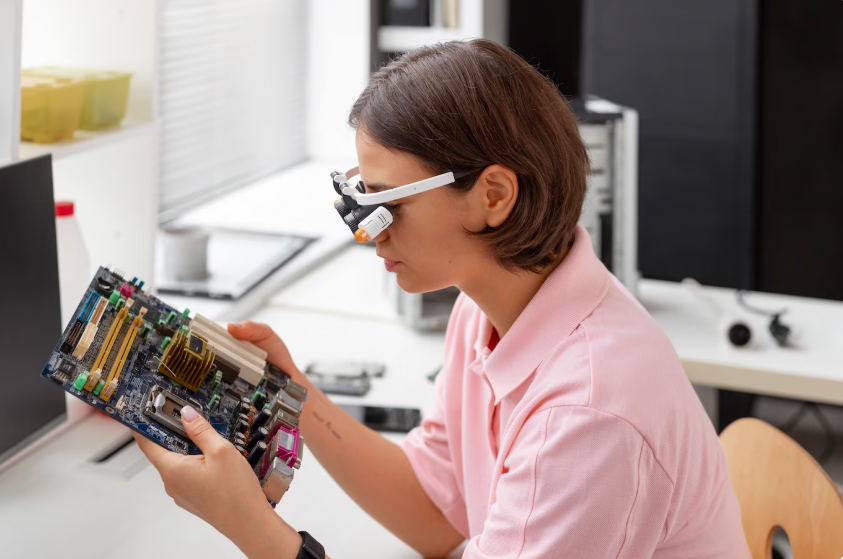
A PCB microscope is a specialized optical or digital microscope used to inspect printed circuit boards (PCBs). These microscopes allow technicians, engineers, and electronics hobbyists to closely examine the fine details, solder joints, microchips, and traces on PCBs, which are often too small to inspect with the naked eye. They help identify defects, misalignments, or damage that could impact the performance of electronic devices.
Why PCB Microscopes Are Essential in Electronics
Modern electronic components are extremely small, and the trend toward miniaturization makes visual inspection increasingly difficult. A PCB microscope allows professionals to:
- Check soldering quality
- Detect cracked components or cold joints
- Align microchips during SMT (surface-mount technology) assembly
- Perform rework or repair on delicate circuit lines
- Ensure quality control in manufacturing
This tool is crucial in industries such as consumer electronics, automotive, medical devices, telecommunications, and aerospace.
Types of PCB Microscopes
There are several types of microscopes used for PCB inspection. The choice depends on magnification needs, working distance, documentation, and personal comfort.
Stereo Microscope (Dissecting Microscope)
A stereo microscope is commonly used for PCB inspection due to its 3D viewing capability, which provides depth perception. It offers a low-to-medium magnification range (typically 10x to 50x), ideal for inspecting components and solder joints without flipping the image.
- ✅ Wide working area
- ✅ Comfortable for long sessions
- ✅ Suitable for soldering under magnification
- ❌ Not ideal for extreme close-ups or tiny BGA components
Digital Microscope
A digital microscope uses a camera and screen instead of eyepieces. The image is displayed on a monitor or LCD screen, allowing for comfortable viewing and easy documentation (photos, videos, or live feed).
- ✅ Great for teams or demonstrations
- ✅ Easy to record and share findings
- ✅ Adjustable magnification (up to 200x or more)
- ❌ May suffer from lag or lower resolution without a high-quality camera
USB Microscope
A USB microscope is a portable and affordable tool that connects to a computer via USB. It’s often used by hobbyists or technicians on the go.
- ✅ Budget-friendly
- ✅ Easy to connect to laptops
- ✅ Ideal for students or light inspection work
- ❌ Narrow field of view
- ❌ Limited working distance
Trinocular Microscope with Camera Port
A trinocular microscope is a high-end stereo microscope with an extra port for attaching a digital camera or HDMI display. It combines the comfort of stereo vision with the functionality of digital output.
- ✅ Excellent for documentation
- ✅ Professional-grade optics
- ✅ Ideal for high-precision work
- ❌ Expensive and bulky
Important Features to Look For in a PCB Microscope
When choosing a microscope for PCB inspection, consider the following key features:
- Magnification Range – At least 10x–40x is suitable for general PCB work. Up to 100x may be needed for micro-soldering or micro-BGA components.
- Working Distance – A longer distance allows you to solder or probe while viewing. Ideally, 4 to 8 inches between lens and board.
- Lighting – Bright LED ring lights or adjustable overhead lighting is crucial for a clear, shadow-free view of solder joints and fine traces.
- Camera Output – If you need to record or display, choose a microscope with HDMI, USB, or SD card support.
- Zoom Capability – A zoom lens helps adjust the view without changing lenses or moving the PCB.
- Build Quality – Solid construction is important for stability during precise tasks like rework or component replacement.
- Ergonomics – For professionals working long hours, a microscope with adjustable height and tilt, or a monitor view, reduces neck and eye strain.
Applications of PCB Microscopes
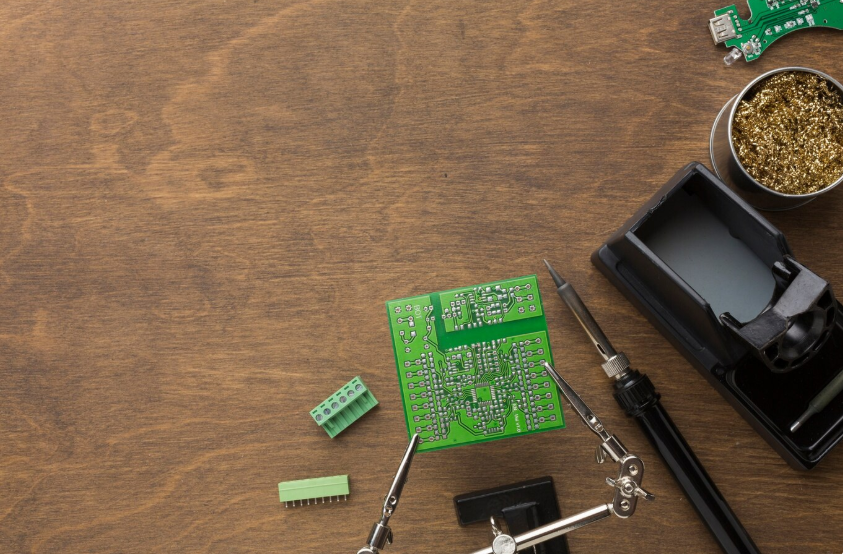
- Inspection of solder joints for quality control
- BGA (Ball Grid Array) pad alignment and reflow analysis
- Repair of lifted pads, broken traces, or damaged components
- Failure analysis of faulty PCBs
- Training and demonstrations in electronics labs
- Component verification in production lines
Best Practices When Using a PCB Microscope
- Always clean the PCB surface before inspection to avoid dust or flux residues obscuring your view.
- Use anti-static mats and tools when working under a microscope to protect sensitive components.
- Adjust the lighting angle to minimize glare and highlight cracks or cold joints.
- Maintain correct posture to prevent fatigue during long inspection sessions.
- Regularly calibrate or clean the lens and camera for optimal performance.
Top Brands Offering PCB Microscopes
Some trusted microscope brands for PCB inspection include:
- AmScope
- Andonstar
- Omax
- Opti-Tekscope
- Leica Microsystems
- Vision Engineering
- Keyence
These manufacturers offer various models tailored for different budgets and professional needs.
Estimated Prices of PCB Microscopes
| Type | Price Range |
| USB Microscope | $25 – $100 |
| Entry-Level Digital | $100 – $300 |
| Stereo Microscope | $200 – $800 |


Why AI Humanizers Are Becoming Essential for Natural, Authentic Writing

Kipflix: Your Ultimate Guide to Streaming Smarter

Crypto30x.com Avalanche: Guide to Smart Crypto Investing

The Mystery and Meaning of Cartetach: A Deep Exploration
Why Your Desk Is Always Messy (and How to Fix It)

The 5 Best AI Humanizers to Use in 2026 (Expert Comparison & Results)

What is Currency Trading and its Strategy and Technique?

Veterans Day: A Heartfelt Tribute to America’s Brave Heroes

Toyota Hilux: The Ultimate Pickup for Power and Reliability

Thanksgiving En Explained: History, Traditions, and Modern Celebration

Dintoube: A Complete Guide to Its Meaning, Use, and Influence

SonderMind Login: Your Complete Access & Support Guide

From 14 Days to 72 Hours: How Precision Aluminum Prototyping Saves 30% in Development Costs for Medical Device Companies?

How to Design Custom PCBs Fast: A Simple Step-by-Step Guide

Precision CNC Milling: How to Achieve 85% First-Pass Functional Success Rate for Your IoT Hardware

The Rise of Niche Offshore Roles in Emerging Tech

Turn Yourself Into a Star: The Ultimate Movie & Celebrity Face Swap Experience

How Finance Firms Can Stop Invoice Fraud with Targeted Simulations

Damplps: The Digital Term Transforming Online Creativity

Mmdbee: The Ultimate Guide to Understanding Its Impact and Uses
Why AI Humanizers Are Becoming Essential for Natural, Authentic Writing
Kipflix: Your Ultimate Guide to Streaming Smarter
Crypto30x.com Avalanche: Guide to Smart Crypto Investing

How to Use a Temporary Number for WhatsApp

Sepatuindonesia.com | Best Online Store in Indonesia

The Best Methods to Download TikTok Videos Using SnapTik
-
 Tech1 year ago
How to Use a Temporary Number for WhatsApp
-
 Business2 years ago
Sepatuindonesia.com | Best Online Store in Indonesia
-
 Social Media1 year ago
The Best Methods to Download TikTok Videos Using SnapTik
-
 Technology1 year ago
Top High Paying Affiliate Programs
-

 Tech10 months ago
Understanding thejavasea.me Leaks Aio-TLP: A Comprehensive Guide
-

 FOOD12 months ago
How to Identify Pure Desi Ghee? Ultimate Guidelines for Purchasing Authentic Ghee Online
-
 Instagram3 years ago
Free Instagram Auto Follower Without Login
-
 Instagram3 years ago
Free Instagram Follower Without Login