
Blog
Nail Gun Guide: Choose, Use, and Stay Safe

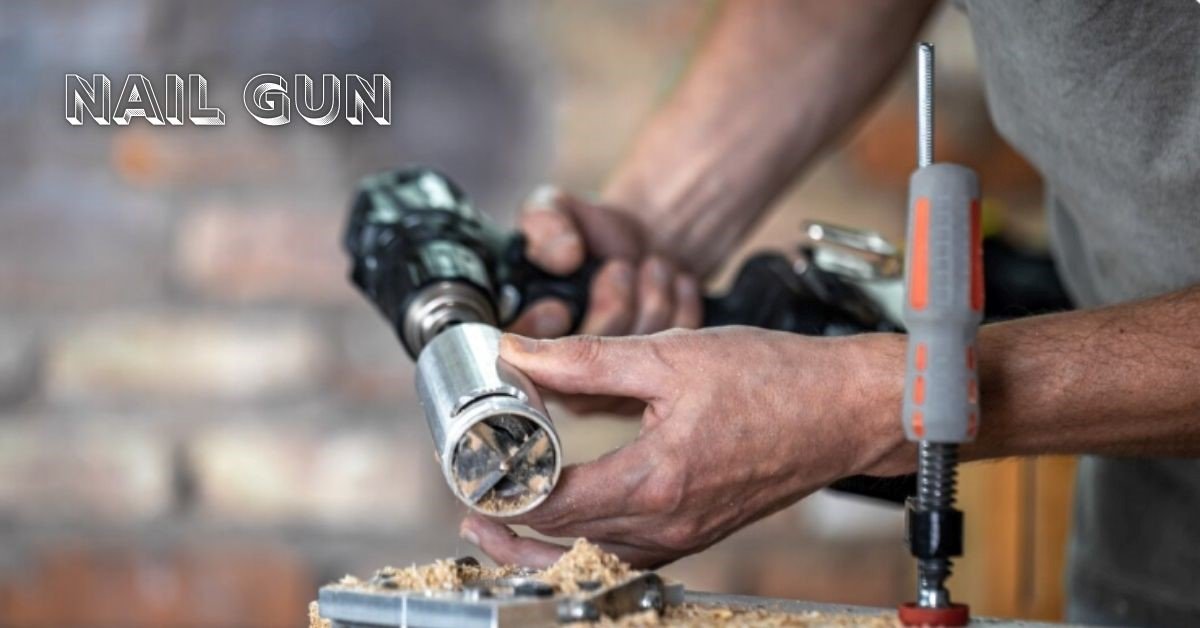
If you have ever tried driving dozens of nails with a hammer, you already know how tiring and inconsistent it can feel. A nail gun changes that experience completely by adding speed, accuracy, and efficiency to woodworking or construction tasks. Whether you are framing a wall, installing trim, or building furniture, this tool becomes a serious time saver. Still, choosing and using one properly requires some understanding. Small details such as power source, nail size, and safety habits can make the difference between smooth work and frustrating mistakes.
Understanding the Nail Gun
A nail gun is essentially a powered tool designed to drive nails into wood or other materials with force and precision. Instead of relying on manual swings, it uses compressed air, electricity, or combustion to push fasteners into place. This simple shift transforms productivity. Tasks that once took hours can often be completed in minutes, especially when working on repetitive construction jobs or home renovation projects.
What makes this tool so effective is consistency. Every fastener goes in with nearly identical depth and angle, which improves structural reliability and appearance. When installing molding or assembling furniture frames, uniformity matters more than many people realize. The cleaner finish also reduces the need for corrections, sanding, or filler, saving both time and material costs during projects and improving the overall professional look.
Many beginners assume it is only for professionals, but that is not true anymore. Modern designs are user friendly and accessible for hobbyists too. As long as you understand the basics, it becomes an extension of your hand. Like learning to use a power drill, confidence grows quickly once you complete a few projects successfully and begin trusting the tool’s predictable performance.
Read More: Modesto Craigslist Tools: Complete Buyer’s and Seller’s Guide
Types of Nail Guns and Their Uses
Different projects require different tools, and fastening equipment is no exception. Framing models are built for heavy structural work like walls, decks, and fencing. They fire large nails with strong holding power. On the other hand, finish and brad tools handle delicate tasks such as trim installation or cabinetry, where smaller fasteners and minimal surface damage matter more than raw strength.
Roofing versions are specialized for shingles and exterior materials, delivering rapid shots with wide heads for better grip. Flooring tools are designed to secure hardwood planks at precise angles without visible marks. Choosing the correct category prevents frustration because using the wrong type often leads to weak joints, split wood, or uneven finishes that require time consuming repairs later.
Understanding these categories also helps with budgeting. Buying one versatile option may work for occasional home tasks, but professionals often invest in multiple models tailored for specific jobs. This targeted approach improves efficiency and reduces wear on equipment, which ultimately saves money over time despite the higher initial investment and maintenance considerations involved.
Choosing the Right Nail Gun for Your Needs
Selecting the right tool depends heavily on the type of projects you plan to complete. If you mainly handle home repairs or furniture building, a lighter finish or brad option usually makes sense. For construction or outdoor structures, heavier framing models provide the strength needed. Matching tool capability with task requirements ensures smoother performance and better long term satisfaction with your purchase decision.
Brand reliability also plays a role in decision making. Companies such as DeWalt and Milwaukee Tool have built reputations around durability and ergonomic design. While cheaper options exist, investing in a trusted manufacturer often reduces maintenance problems. A comfortable grip and balanced weight also matter because they reduce fatigue during extended use sessions and improve accuracy.
Another factor people overlook is nail compatibility. Tools are designed for specific gauge sizes and lengths, so confirming availability of fasteners in your area is important. Running out of compatible nails during a project can cause delays. Planning ahead ensures you maintain workflow momentum without unnecessary interruptions or stressful last minute trips to the hardware store.
Power Sources Explained
One major choice involves deciding between pneumatic, cordless electric, or gas powered designs. Pneumatic tools use compressed air from a compressor and are known for consistent power and reliability. They are common in workshops because they handle heavy workloads without overheating. However, hoses and compressors reduce portability, which can be inconvenient for outdoor or remote projects where mobility matters most.
Cordless electric versions rely on rechargeable batteries and offer unmatched convenience. They eliminate hoses, making them easier to move around job sites or homes. Advances in battery technology have significantly improved performance, making them strong enough for many professional tasks. For homeowners, the simplicity of charging a battery instead of managing air pressure often feels more practical and less intimidating.
Gas powered options combine fuel cartridges with batteries to create combustion driven force. These models deliver impressive power without compressors, making them popular among contractors working in large areas. The downside includes ongoing fuel costs and occasional maintenance needs. Choosing the right power source depends on balancing mobility, workload demands, and operating expenses over the long term.
Safety Habits That Matter
Safety should always be the first priority when using any powered tool. Protective eyewear is essential because small fragments or misfired nails can travel unexpectedly. Gloves also provide grip and protect against minor injuries. Developing the habit of checking the tool before use prevents mechanical surprises, especially if it has been stored for long periods or transported between job sites frequently.
Trigger discipline is another important factor. Keeping your finger off the trigger until you are ready to fire reduces accidental discharge risks. Many modern tools include safety contact tips that must be pressed against the surface before activation. Understanding how these features work gives you more confidence and control, which directly translates into safer and more precise operation during projects.
Work positioning also affects safety. Holding materials securely and maintaining stable footing prevents slips or awkward angles that could lead to mistakes. Rushing is often the biggest enemy because fatigue and impatience reduce awareness. Taking short breaks during longer projects keeps your focus sharp and helps maintain consistent performance throughout the entire work session.
Maintenance and Long-Term Performance
Regular maintenance keeps your equipment reliable and extends its lifespan significantly. Cleaning dust and debris from moving parts prevents jams and mechanical wear. Lubrication is especially important for pneumatic models because internal seals depend on proper oil levels. Neglecting these small steps often leads to costly repairs that could have been avoided with a few minutes of routine care after use.
Storage conditions also influence durability. Keeping the tool in a dry environment prevents corrosion and protects internal components from moisture damage. Using protective cases during transport reduces the chance of impact related issues. Treating it carefully might seem obvious, yet many failures happen simply because tools are tossed into vehicles without proper protection or organization.
Replacing worn parts before they fail completely is another smart habit. O rings, seals, and springs experience natural wear over time. Monitoring performance changes, such as inconsistent firing depth or air leaks, helps identify issues early. Addressing problems quickly not only saves money but also prevents frustrating interruptions during important projects when reliability matters most.
Common Mistakes Beginners Should Avoid
One common mistake is choosing the wrong fastener size for the material. Nails that are too long can split wood, while short ones may not hold securely. Understanding material thickness and load requirements helps you select the correct length. This knowledge prevents structural weaknesses and improves the durability of your finished project, especially when building furniture or outdoor structures exposed to weather.
Another frequent issue is incorrect depth adjustment. Driving nails too deep damages surfaces, while shallow placement leaves heads exposed. Most tools include adjustment controls, yet beginners often ignore them. Spending a few minutes testing on scrap material before starting ensures proper settings. This simple habit improves results dramatically and reduces the need for corrections later during finishing stages.
Overconfidence can also lead to mistakes. Just because the tool is powerful does not mean it should be rushed through tasks. Maintaining steady positioning and controlled movement improves accuracy. Treating each shot deliberately rather than rapidly firing without attention creates cleaner work and builds confidence, especially for those still developing experience with powered fastening equipment.
Conclusion
A nail gun is more than just a convenience tool. It represents efficiency, precision, and professional level results when used correctly. Understanding the different types, power options, and safety practices ensures you get consistent performance without unnecessary frustration. Like any skill, confidence develops through practice, and small improvements in technique quickly add up to noticeable differences in project quality.
Investing time in learning proper operation pays off long term. Maintenance habits, thoughtful tool selection, and attention to detail help extend lifespan and reliability. Whether you are a homeowner tackling repairs or a contractor managing large builds, treating your equipment with care ensures dependable performance whenever you need it. That reliability becomes invaluable over time.
Ultimately, success comes from combining the right tool with the right mindset. Patience, preparation, and respect for safety create smoother workflows and better results. When used thoughtfully, a nail gun transforms demanding manual tasks into efficient, satisfying work, allowing you to focus more on creativity and craftsmanship rather than physical strain or repetitive effort.
Read More: Everything You Need to Know About Counter-Strike 1.6


Sport Windsurf: Mastering Speed, Balance, and Freedom

PTM: Understanding the Model, Meaning, and Real Use

Nail Gun Guide: Choose, Use, and Stay Safe

Moth Winn: Causes, Signs, and Real Solutions

Heterosexual: Understanding Orientation and Its Role in Life

Cookout Milkshakes: Flavors, Quality, and What Makes Them Special

Catford Guide: Living, History, and Local Life

Getting Started with Email Marketing Tools for Small Businesses!

Tennis Betting Tips For Beginners: How To Start Betting Smart

Wanda Hutchins: Life, Family, and Quiet Strength

dikganes Explained: Meaning, Usage, and Digital Significance

FilmyzillaHD Explained: Movies, Risks, Legality, and Facts

Epirnet: Transforming Digital Connectivity Today

Freemasx – A Complete Guide to Understanding the Platform

Jememintre: Meaning, Uses, and Real-World Relevance

Thithub: A Deep Dive Into the Platform’s Real Value

Dedicated Server Hosting Provider: What to Look For

Xfrencies: Meaning, Usage, and Digital Relevance

taktubr Explained: Meaning, Usage, and Digital Significance

Navigating the Future of High-Performance Streaming: The Search for a New Standard
Sport Windsurf: Mastering Speed, Balance, and Freedom
PTM: Understanding the Model, Meaning, and Real Use
Nail Gun Guide: Choose, Use, and Stay Safe

How to Use a Temporary Number for WhatsApp

Sepatuindonesia.com | Best Online Store in Indonesia

The Best Methods to Download TikTok Videos Using SnapTik
-
 Tech1 year ago
How to Use a Temporary Number for WhatsApp
-
 Business2 years ago
Sepatuindonesia.com | Best Online Store in Indonesia
-
 Social Media2 years ago
The Best Methods to Download TikTok Videos Using SnapTik
-

 Technology2 years ago
Top High Paying Affiliate Programs
-

 Tech12 months ago
Understanding thejavasea.me Leaks Aio-TLP: A Comprehensive Guide
-

 FOOD1 year ago
How to Identify Pure Desi Ghee? Ultimate Guidelines for Purchasing Authentic Ghee Online
-
 Instagram3 years ago
Free Instagram Auto Follower Without Login
-
 Instagram3 years ago
Free Instagram Follower Without Login