
Business
Moviezrule: A Clear Look at How It Really Works

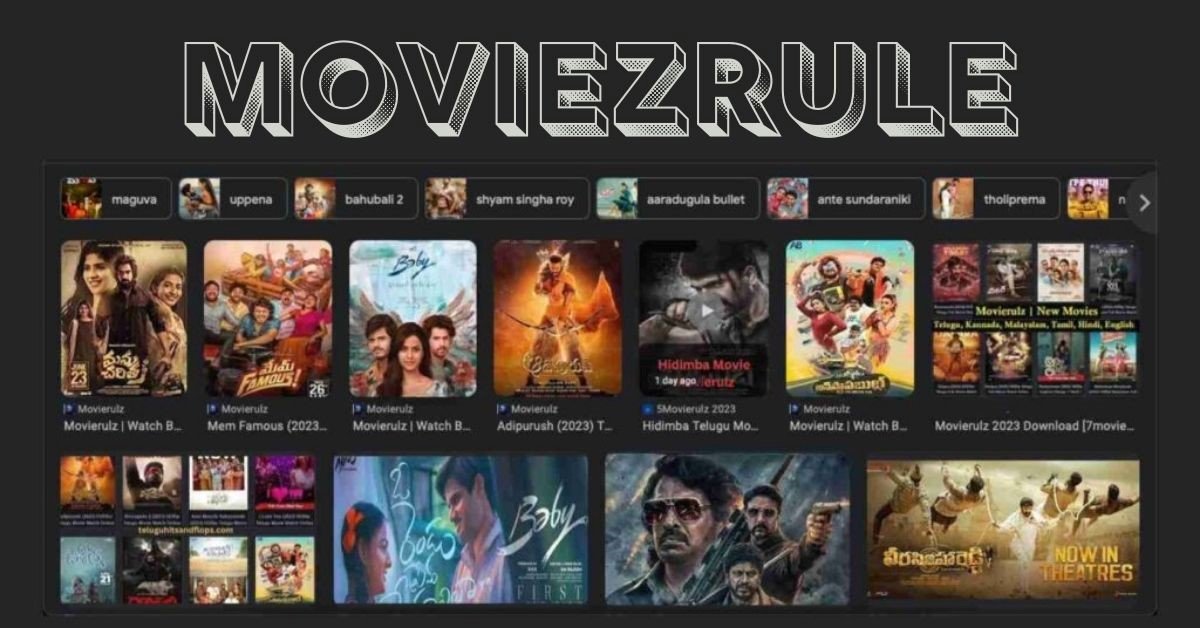
Movie streaming habits have changed fast, and people now expect instant access to films at home. In that search for convenience, moviezrule often comes up in online discussions, usually shared by friends or seen in search results. This article looks at the platform from a real user perspective, without hype or judgment. The goal is to understand why it exists, how people interact with it, and what actually matters before making choices.
The Rise of Online Movie Platforms
Online movie platforms grew because viewers wanted control over what they watch and when. Cable schedules felt restrictive, and physical media slowly disappeared. Streaming services filled the gap, but they also introduced multiple subscriptions and rising costs. This environment created space for unofficial platforms that promise access without limits, attracting users who feel priced out or overwhelmed by paid options.
As smartphones and affordable internet spread, access became easier than ever. People could stream or download content from almost anywhere, often with minimal technical knowledge. That ease of use changed expectations. Many users stopped thinking about how content reaches their screens and focused only on speed and availability. This shift explains why alternative platforms gained attention so quickly.
Cultural sharing also played a role. Recommendations spread through social media, messaging apps, and casual conversations. When someone finds a site that appears to offer everything in one place, curiosity follows. Over time, repeated mentions normalize these platforms, even when legal or ethical concerns exist. Understanding this background helps explain current viewing behavior.
Read More: DesireMovies Zone: Everything You Need to Know
What Moviezrule Is and Why People Search for It
Moviezrule is commonly described as a website that provides access to a wide range of movies, often soon after release. Users usually discover it while searching for a specific film that is not available on their subscribed platforms. The appeal lies in its apparent simplicity and broad catalog, which seems to remove barriers between viewers and content.
People searching for such platforms are not always trying to avoid paying. Sometimes they want older titles, regional films, or content unavailable in their country. Others feel frustrated by exclusive deals that split shows across services. These gaps push users to look elsewhere, even if they know little about the source.
Curiosity is another factor. When a name keeps appearing in forums or comments, people click to see what it offers. That initial visit may not come with long term intent, but it introduces the platform. Over time, repeated exposure builds familiarity, which can turn into regular use for some viewers.
How These Sites Typically Operate Behind the Scenes
Most unofficial movie sites rely on a network of uploaded files, mirrors, and third party hosting services. Content is rarely stored in one place. Instead, links point to external servers that handle streaming or downloads. This setup helps sites stay online longer by shifting risk away from a single source.
Advertising usually funds these platforms. Pop ups, banners, and redirects generate revenue per click or view. For users, this can mean a cluttered experience and occasional security warnings. From the site owner perspective, ads keep the operation running without charging visitors directly, which maintains traffic.
Maintenance is constant. Domains change, links break, and authorities attempt takedowns. Operators adapt quickly, often reappearing under similar names. This cycle creates instability for users, who may find the site unavailable one day and active the next. It also adds uncertainty about long term access.
User Experience and Content Availability
The user experience on such platforms varies widely. Some pages look polished, while others feel rushed or outdated. Navigation often focuses on quick search and recent uploads rather than curated collections. For viewers, this can feel efficient, especially when they know exactly what they want to watch.
Content availability is usually broad. New releases, classic films, and regional cinema often appear side by side. That range is a major reason people return. It gives the impression of a single library without restrictions, which contrasts with the fragmented nature of legal streaming services.
Quality, however, is inconsistent. Video resolution, subtitles, and audio sync can vary from file to file. Users may need to try multiple links before finding a watchable version. This trial and error becomes part of the experience, accepted as a trade off for free access.
Legal and Ethical Considerations to Understand
Using unofficial movie sites raises clear legal questions in many regions. Copyright laws exist to protect creators and distributors. Accessing or sharing content without permission can violate these laws, even if enforcement differs by country. Many users underestimate this risk, assuming individual viewers are not a priority.
Ethically, the issue is more personal. Films involve the work of hundreds of people, from actors to technicians. When revenue is lost, future projects may be affected. Some viewers struggle with this balance, enjoying easy access while feeling uneasy about the impact on the industry.
Awareness matters. Understanding the legal and ethical side allows people to make informed choices rather than acting out of habit. Even if someone continues to use such platforms, knowing the implications changes how they perceive their actions and the content they consume.
Risks Related to Security and Privacy
Security risks are a major concern with unofficial streaming sites. Pop up ads and redirects can expose users to malicious software or phishing attempts. Even a single accidental click may lead to unwanted downloads or compromised data, especially on devices without strong protection.
Privacy is another issue. Some sites track user behavior through cookies or scripts, collecting information without clear disclosure. This data can be shared with advertisers or third parties. Users rarely know what is being collected or how it is used, which creates long term uncertainty.
Practical experience shows that these risks are not theoretical. Many users report slow devices, unusual notifications, or account issues after visiting such platforms. While not every visit causes harm, the lack of accountability means problems are harder to resolve when they occur.
Legal Alternatives Worth Considering
Legal streaming options have improved significantly in recent years. Many services now offer flexible plans, free trials, or ad supported tiers that lower costs. Libraries rotate content, but they also invest in quality, subtitles, and reliable playback that saves time and frustration.
Regional platforms deserve attention too. They often focus on local cinema and languages that global services overlook. Supporting these services helps preserve cultural content and encourages more diverse storytelling. For viewers, it can also mean discovering films they might otherwise miss.
Public libraries and broadcasters sometimes provide free access to films through partnerships. These options are easy to ignore, yet they offer legal viewing without extra expense. Exploring them can reduce reliance on risky sites while still satisfying the desire for variety.
Conclusion
Moviezrule represents a larger conversation about access, convenience, and cost in modern entertainment. It exists because viewers want simple ways to watch what interests them, without jumping through hoops. Understanding this context helps explain its popularity without endorsing or condemning it outright.
At the same time, the platform highlights real trade offs. Legal uncertainty, security risks, and ethical questions sit alongside convenience and variety. Each viewer weighs these factors differently, based on personal priorities and awareness. There is no single answer that fits everyone.
Ultimately, informed choice matters most. Whether someone avoids or uses moviezrule, knowing how it operates and what it implies leads to more intentional viewing habits. As the entertainment landscape continues to evolve, clarity and awareness remain the most valuable tools for any audience.
Read More: MoviesUp: Streaming Smarter in the Digital Entertainment Era


Yuppow.con: What You Should Know Before Visiting

Moviws2watch: What You Should Know First

Methstreamz: What to Know Before Streaming

Lekulent: What It Means and Why People Are Curious

Hdtodat: Meaning, Uses, and Practical Value Today

Eroaberry: What It Is and What Users Should Know

Allgames365: A Complete Look at the Platform Experience

Why Choosing a Professional Noida Digital Marketing Agency Matters in 2026

vmovee: What to Know Before You Stream

rarbgget.org: What Users Should Know Today

dikganes Explained: Meaning, Usage, and Digital Significance

FilmyzillaHD Explained: Movies, Risks, Legality, and Facts

Freemasx – A Complete Guide to Understanding the Platform

Epirnet: Transforming Digital Connectivity Today

Thithub: A Deep Dive Into the Platform’s Real Value

Dedicated Server Hosting Provider: What to Look For

iPhone 15 Cover: What Makes One Worth Buying and Another a Waste of Money

Navigating the Future of High-Performance Streaming: The Search for a New Standard

taktubr Explained: Meaning, Usage, and Digital Significance

Pinaflux: A Comprehensive Guide to the Rising Digital Innovation
Yuppow.con: What You Should Know Before Visiting
Moviws2watch: What You Should Know First
Methstreamz: What to Know Before Streaming

How to Use a Temporary Number for WhatsApp

Sepatuindonesia.com | Best Online Store in Indonesia

The Best Methods to Download TikTok Videos Using SnapTik
-
 Tech1 year ago
How to Use a Temporary Number for WhatsApp
-
 Business2 years ago
Sepatuindonesia.com | Best Online Store in Indonesia
-
 Social Media2 years ago
The Best Methods to Download TikTok Videos Using SnapTik
-

 Technology2 years ago
Top High Paying Affiliate Programs
-

 Tech1 year ago
Understanding thejavasea.me Leaks Aio-TLP: A Comprehensive Guide
-

 FOOD1 year ago
How to Identify Pure Desi Ghee? Ultimate Guidelines for Purchasing Authentic Ghee Online
-
 Instagram3 years ago
Free Instagram Auto Follower Without Login
-
 Instagram3 years ago
Free Instagram Follower Without Login