
Blog
Jilbab: The Modest Fashion Staple with Cultural Significance

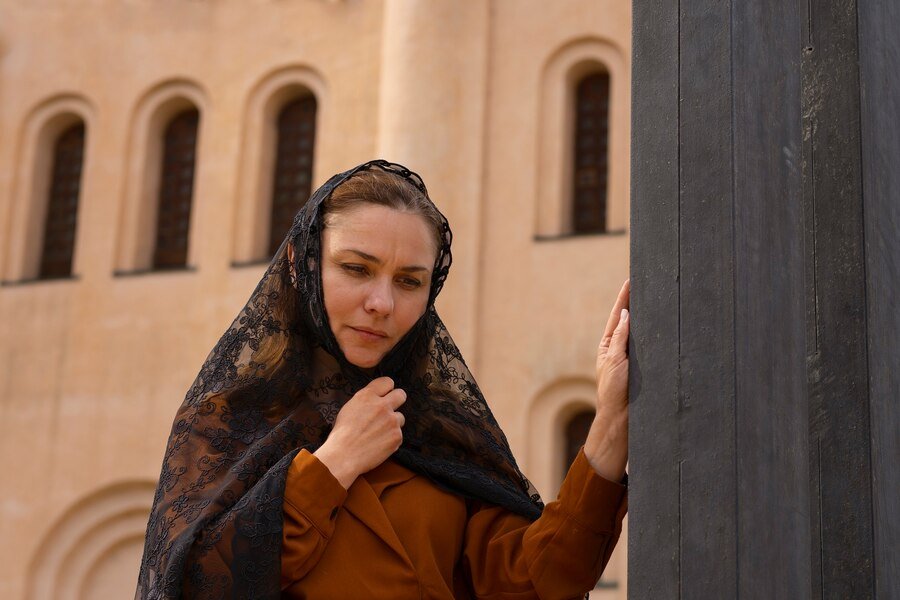
The jilbab is a widely recognized garment in the world of modest fashion. It holds cultural, religious, and stylistic significance, making it an essential choice for many women. Whether worn for religious devotion, cultural heritage, or personal style, the jilbab continues to evolve while maintaining its core purpose—offering modesty and elegance.
What is a Jilbab?
A jilbab is a loose-fitting outer garment worn by Muslim women to maintain modesty. It typically extends from the shoulders down to the ankles and is designed to cover the body while ensuring comfort and ease of movement.
The History of the Jilbab
The jilbab has roots in Islamic traditions dating back centuries. Historically, it was worn by women in various Islamic regions as a means of fulfilling religious guidelines regarding modesty. Over time, the design and styles of the jilbab have evolved, influenced by cultural and fashion trends.
Differences Between Jilbab, Hijab, and Abaya
Many people confuse the jilbab with similar garments like the hijab and abaya. However, there are key differences:
- Hijab: A headscarf that covers the hair, neck, and sometimes the shoulders.
- Abaya: A long, loose dress worn over regular clothing, often open in the front.
- Jilbab: A full-body outer garment, sometimes with a built-in head covering, that provides more coverage than the abaya.
Types of Jilbabs
Jilbabs come in various styles, catering to different preferences and cultural backgrounds. Some common types include:
- Traditional Jilbab: A simple, loose garment that covers the body completely.
- Modern Jilbab: Incorporates contemporary fashion elements such as tailored cuts and stylish fabrics.
- One-Piece Jilbab: A single, flowing garment with an attached head covering.
- Two-Piece Jilbab: Consists of a long tunic and a separate headscarf.
Why Women Wear Jilbabs
Women wear jilbabs for several reasons, including:
- Religious Observance: Many Muslim women wear jilbabs as an expression of their faith.
- Cultural Tradition: In some regions, wearing a jilbab is deeply rooted in cultural identity.
- Personal Comfort: The jilbab provides a sense of security and confidence in dressing modestly.
- Fashion Statement: With modern designs, jilbabs can be stylish and elegant.
Choosing the Right Jilbab
When selecting a jilbab, consider:
- Fabric: Lightweight fabrics like chiffon or cotton are ideal for warm climates, while thicker materials like wool or jersey provide warmth in colder regions.
- Length and Fit: A jilbab should be loose but comfortable for ease of movement.
- Design: Whether plain or adorned with embroidery, the design reflects personal style.
Jilbab and Modern Fashion Trends
The jilbab has seen a transformation in recent years. With the rise of modest fashion, designers have created trendy yet modest jilbabs in various cuts, colors, and patterns. Many influencers and brands now showcase jilbab styles that blend tradition with modern aesthetics.
How to Style a Jilbab
Styling a jilbab can be both modest and fashionable. Here are some tips:
- Accessorize Smartly: Pair with elegant handbags, minimal jewelry, and stylish shoes.
- Layering: Add a stylish belt or wear an open jilbab over a coordinated outfit.
- Color Coordination: Opt for neutral tones for a classic look or bold colors for a statement outfit.
Common Misconceptions About the Jilbab
There are several misconceptions about the jilbab, including:
- It is Mandatory for All Muslim Women: While some believe it is obligatory, interpretations of modest dress vary across cultures and beliefs.
- It is Only Worn for Religious Reasons: Many women wear it as a cultural or personal preference.
- It is Outdated: With modern designs, the jilbab remains a contemporary fashion choice.
The Future of the Jilbab in Fashion
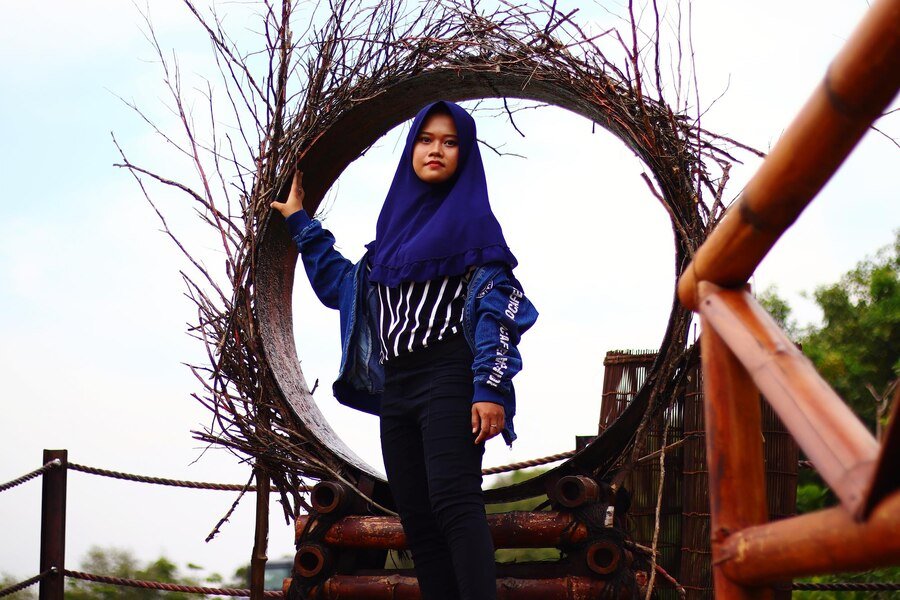
As the modest fashion industry continues to grow, the jilbab is gaining popularity worldwide. Designers are experimenting with innovative fabrics and designs, ensuring the jilbab remains relevant in the fashion world.
Conclusion
The jilbab is more than just a piece of clothing—it represents faith, culture, and individuality. Whether worn for religious reasons or as a personal fashion statement, the jilbab remains a timeless garment that embraces modesty with elegance.
FAQs
Is the jilbab different from an abaya?
Yes, the jilbab is often a one-piece outer garment, whereas the abaya is a loose dress-like outfit.
Can jilbabs be worn in different styles?
Absolutely! Modern jilbabs come in various designs, allowing women to style them according to their preferences.
Are jilbabs only available in black?
No, jilbabs come in multiple colors and patterns, offering a wide range of choices.
Can non-Muslims wear a jilbab?
Yes, anyone who appreciates modest fashion can wear a jilbab.
Where can I buy a jilbab?
Jilbabs are available at modest fashion boutiques, online stores, and specialty Islamic clothing shops.


How to use Gemini to summarize YouTube videos
Türk Idla: Turkey’s Digital Culture Wave Redefining Identity Online

BugsIsDead: Exploring the Phenomenon Behind the Name

Betametacron: Uses, Benefits, Side Effects & Complete Guide

Why AI Humanizers Are Becoming Essential for Natural, Authentic Writing

Kipflix: Your Ultimate Guide to Streaming Smarter

Crypto30x.com Avalanche: Guide to Smart Crypto Investing

The Mystery and Meaning of Cartetach: A Deep Exploration
Why Your Desk Is Always Messy (and How to Fix It)

The 5 Best AI Humanizers to Use in 2026 (Expert Comparison & Results)

Dintoube: A Complete Guide to Its Meaning, Use, and Influence

SonderMind Login: Your Complete Access & Support Guide

From 14 Days to 72 Hours: How Precision Aluminum Prototyping Saves 30% in Development Costs for Medical Device Companies?

How to Design Custom PCBs Fast: A Simple Step-by-Step Guide

Precision CNC Milling: How to Achieve 85% First-Pass Functional Success Rate for Your IoT Hardware

The Rise of Niche Offshore Roles in Emerging Tech

Turn Yourself Into a Star: The Ultimate Movie & Celebrity Face Swap Experience

Damplps: The Digital Term Transforming Online Creativity

Mmdbee: The Ultimate Guide to Understanding Its Impact and Uses

How Finance Firms Can Stop Invoice Fraud with Targeted Simulations
How to use Gemini to summarize YouTube videos
Türk Idla: Turkey’s Digital Culture Wave Redefining Identity Online
BugsIsDead: Exploring the Phenomenon Behind the Name

How to Use a Temporary Number for WhatsApp

Sepatuindonesia.com | Best Online Store in Indonesia

The Best Methods to Download TikTok Videos Using SnapTik
-
 Tech1 year ago
How to Use a Temporary Number for WhatsApp
-
 Business2 years ago
Sepatuindonesia.com | Best Online Store in Indonesia
-
 Social Media1 year ago
The Best Methods to Download TikTok Videos Using SnapTik
-
 Technology1 year ago
Top High Paying Affiliate Programs
-

 Tech10 months ago
Understanding thejavasea.me Leaks Aio-TLP: A Comprehensive Guide
-

 FOOD12 months ago
How to Identify Pure Desi Ghee? Ultimate Guidelines for Purchasing Authentic Ghee Online
-
 Instagram3 years ago
Free Instagram Auto Follower Without Login
-
 Instagram3 years ago
Free Instagram Follower Without Login