
Tech
Drones With VR Headset: The Future of Immersive Flight

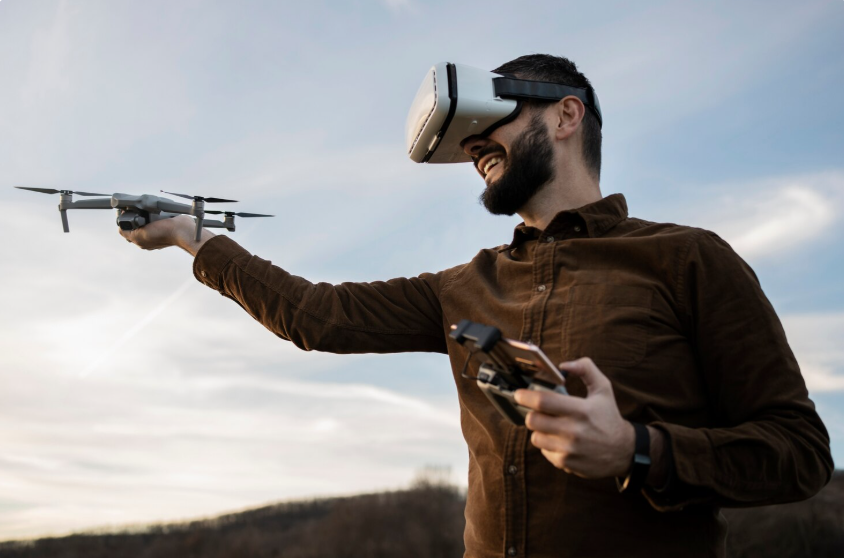
Over the last decade, drone technology has transformed from a niche hobby into a global phenomenon. Drones are now used in photography, filmmaking, exploration, agriculture, and even law enforcement. But one of the most exciting advancements is the combination of drones with VR headset technology. This integration allows users not only to control drones remotely but also to experience flight from the drone’s perspective in real time. For enthusiasts, it means immersive adventures that feel like soaring through the skies, and for professionals, it brings unmatched precision and situational awareness. Understanding drones with VR headset technology requires exploring how they work, what benefits they provide, and why they are shaping the future of aerial innovation.
How Drones With VR Headset Work
At the core of drones with VR headset integration is first-person view, often referred to as FPV. Traditional drones are flown with a remote control while the operator watches the aircraft from the ground. In contrast, drones with VR headset stream live video from the drone’s camera directly to the headset, giving the user the sensation of being in the cockpit. Sensors, high-definition cameras, and wireless transmission systems enable smooth visuals and responsive controls. This creates an immersive experience that is both thrilling and practical. When paired with intuitive controls, users can navigate complex environments more accurately than with line-of-sight piloting alone.
The Immersive Experience of VR Flight
One of the most celebrated aspects of drones with VR headset is the immersive quality of the experience. Wearing a headset transports the pilot into the skies, offering a perspective similar to that of a bird in flight. Every movement of the drone is mirrored in the headset, creating an exhilarating blend of technology and human perception. Unlike watching a video on a screen, virtual reality engages depth perception and motion tracking, making users feel physically present in the drone’s journey. This immersive quality is what sets drones with VR headset apart from traditional models, turning flying into an experience that borders on adventure and simulation gaming.
Advantages for Photography and Videography
Professional photographers and filmmakers have embraced drones with VR headset for the unique advantages they offer. Traditional drone photography requires constant monitoring of screens to frame shots, but VR integration allows operators to see exactly what the drone sees in real time. This direct perspective makes it easier to capture cinematic footage, smooth tracking shots, and creative aerial angles. VR headsets also improve precision, reducing the trial-and-error often associated with complex shoots. For professionals, this means saving time and resources while expanding artistic possibilities. For hobbyists, it means experiencing photography as an active, engaging adventure.
Applications in Training and Simulation
Beyond entertainment and media, drones with VR headset have found a place in training and simulation. Industries that involve high-risk tasks, such as military operations, firefighting, or search and rescue, can use these systems for practice without endangering lives. Trainees experience realistic scenarios, learning to navigate drones in challenging environments while fully immersed in the virtual setting. This hands-on experience is far more effective than theoretical instruction or standard screen-based simulations. As a result, drones with VR headset are becoming important tools in professional development, skill building, and safety training.
Search and Rescue Benefits
Search and rescue teams often work in dangerous or inaccessible environments, such as collapsed buildings, dense forests, or disaster zones. Drones with VR headset give these teams a tremendous advantage. By piloting a drone through tight spaces while viewing its surroundings in real time, rescuers can assess conditions without putting themselves at risk. The immersive perspective helps identify survivors, hazards, or structural weaknesses quickly. This practical application highlights how technology that began as entertainment now saves lives by improving situational awareness and response speed.
Agricultural and Industrial Uses
Agriculture and industry are also discovering the advantages of drones with VR headset. Farmers can monitor crop conditions and livestock movements more effectively with immersive aerial views. Inspecting fields from above helps identify irrigation issues, pest infestations, and crop health with greater precision. In industrial settings, drones can be used to inspect pipelines, power lines, or large facilities without sending workers into hazardous areas. The VR headset provides detailed visibility, ensuring nothing is overlooked. These applications demonstrate how drones with VR headset are revolutionizing not just leisure but essential industries as well.
Recreational Appeal and FPV Racing
For hobbyists, one of the most exciting uses of drones with VR headset is FPV drone racing. This sport has grown rapidly, attracting pilots from around the world who compete in high-speed races through obstacle courses. Wearing a VR headset gives racers the feeling of piloting a miniature aircraft in real time, with adrenaline-pumping speed and precision. Beyond racing, recreational pilots enjoy exploring landscapes, flying over lakes, mountains, or cityscapes, and recording their adventures. The recreational appeal lies in the thrill of flight combined with the freedom of perspective, something that only VR-equipped drones can provide.
Technological Advancements Driving VR Drones
The growing popularity of drones with VR headset has been fueled by several technological advancements. Improvements in wireless transmission have reduced lag, ensuring that the video feed is instantaneous and reliable. Camera quality has increased significantly, with many drones now offering 4K or higher resolution, providing crisp and realistic visuals in the headset. Battery life has also improved, allowing longer flight sessions. Furthermore, motion sensors and gyroscopic controls have made flying more intuitive. These advancements ensure that VR drone systems continue to evolve, offering better performance, safety, and user satisfaction.
Challenges and Limitations
Despite the excitement surrounding drones with VR headset, there are challenges to consider. One major issue is motion sickness, which some users experience when their physical movement does not match the virtual perspective. Extended headset use can also cause discomfort or eye strain. Additionally, drones equipped with VR systems tend to be more expensive than standard models, making them less accessible to casual users. Technical limitations such as battery constraints, range restrictions, and potential connectivity issues are also important factors. However, ongoing innovation suggests that these challenges will diminish over time, making the technology more user-friendly.
Safety and Regulations
With the increased capabilities of drones with VR headset comes the responsibility of safe and legal operation. Many countries regulate drone use to protect airspace, privacy, and public safety. Pilots must remain aware of their surroundings even while immersed in VR, often requiring a spotter to assist during flights. Safety features such as obstacle avoidance systems, return-to-home functions, and geofencing are now integrated into many models to prevent accidents. Understanding regulations and adhering to guidelines ensures that users can enjoy immersive drone experiences without legal or safety risks.
Choosing the Right Drone With VR Headset
For those interested in exploring this technology, choosing the right drone with VR headset requires careful consideration. Factors such as camera resolution, headset comfort, flight time, transmission range, and price all play a role in decision-making. Beginners may prefer models with intuitive controls and built-in safety features, while professionals may prioritize high-definition cameras and advanced stabilization. Reading user feedback, testing comfort, and balancing budget with features help ensure the best choice. The right selection not only enhances enjoyment but also maximizes the potential of VR drone technology.
Future of Drones With VR Headset

The future of drones with VR headset is incredibly promising. As virtual reality continues to improve and drone technology advances, the integration of the two will become more seamless. Future models may include even higher-resolution cameras, longer flight times, and improved AI-assisted controls. Augmented reality features could also be introduced, overlaying information directly in the headset for enhanced navigation and data collection. The convergence of VR and drones is likely to open new opportunities in entertainment, science, exploration, and beyond. This exciting frontier suggests that immersive flight will become a common experience rather than a rare luxury.
Social and Cultural Impact
The rise of drones with VR headset also carries significant social and cultural implications. They change how people interact with technology, blending gaming, exploration, and professional work. In many ways, they represent the merging of physical and digital worlds, offering experiences that were once the stuff of science fiction. Their cultural impact can already be seen in sports, art, and media, where aerial perspectives have become more dynamic and immersive. As they become more widespread, they will likely influence how society approaches creativity, problem-solving, and leisure.
Conclusion
The emergence of drones with VR headset marks a pivotal moment in both drone and virtual reality technology. They provide not just tools for photography and industry but also immersive experiences that transform how people perceive flight. From professional applications in search and rescue or agriculture to recreational pursuits like racing and exploration, their versatility is unmatched. While challenges remain, ongoing advancements promise to make these systems even more accessible and effective. In essence, drones with VR headset are not just a technological novelty; they represent the future of immersive human experiences, bridging imagination and reality in the skies above.


Yuppow.con: What You Should Know Before Visiting

Moviws2watch: What You Should Know First

Methstreamz: What to Know Before Streaming

Lekulent: What It Means and Why People Are Curious

Hdtodat: Meaning, Uses, and Practical Value Today

Eroaberry: What It Is and What Users Should Know

Allgames365: A Complete Look at the Platform Experience

Why Choosing a Professional Noida Digital Marketing Agency Matters in 2026

vmovee: What to Know Before You Stream

rarbgget.org: What Users Should Know Today

FilmyzillaHD Explained: Movies, Risks, Legality, and Facts

Freemasx – A Complete Guide to Understanding the Platform

Epirnet: Transforming Digital Connectivity Today

Thithub: A Deep Dive Into the Platform’s Real Value

Dedicated Server Hosting Provider: What to Look For

Navigating the Future of High-Performance Streaming: The Search for a New Standard

iPhone 15 Cover: What Makes One Worth Buying and Another a Waste of Money

Pinaflux: A Comprehensive Guide to the Rising Digital Innovation

How Industrial LED Strip Light Suppliers Support Heavy-Duty Projects

Esat Yontunç Released Under Judicial Control as Reports Name Acun Ilıcalı in International Allegations
Yuppow.con: What You Should Know Before Visiting
Moviws2watch: What You Should Know First
Methstreamz: What to Know Before Streaming

How to Use a Temporary Number for WhatsApp

Sepatuindonesia.com | Best Online Store in Indonesia

The Best Methods to Download TikTok Videos Using SnapTik
-
 Tech1 year ago
How to Use a Temporary Number for WhatsApp
-
 Business2 years ago
Sepatuindonesia.com | Best Online Store in Indonesia
-
 Social Media2 years ago
The Best Methods to Download TikTok Videos Using SnapTik
-

 Technology2 years ago
Top High Paying Affiliate Programs
-

 Tech1 year ago
Understanding thejavasea.me Leaks Aio-TLP: A Comprehensive Guide
-

 FOOD1 year ago
How to Identify Pure Desi Ghee? Ultimate Guidelines for Purchasing Authentic Ghee Online
-
 Instagram3 years ago
Free Instagram Auto Follower Without Login
-
 Instagram3 years ago
Free Instagram Follower Without Login