
Tech
Dedicated Server Hosting Provider: What to Look For

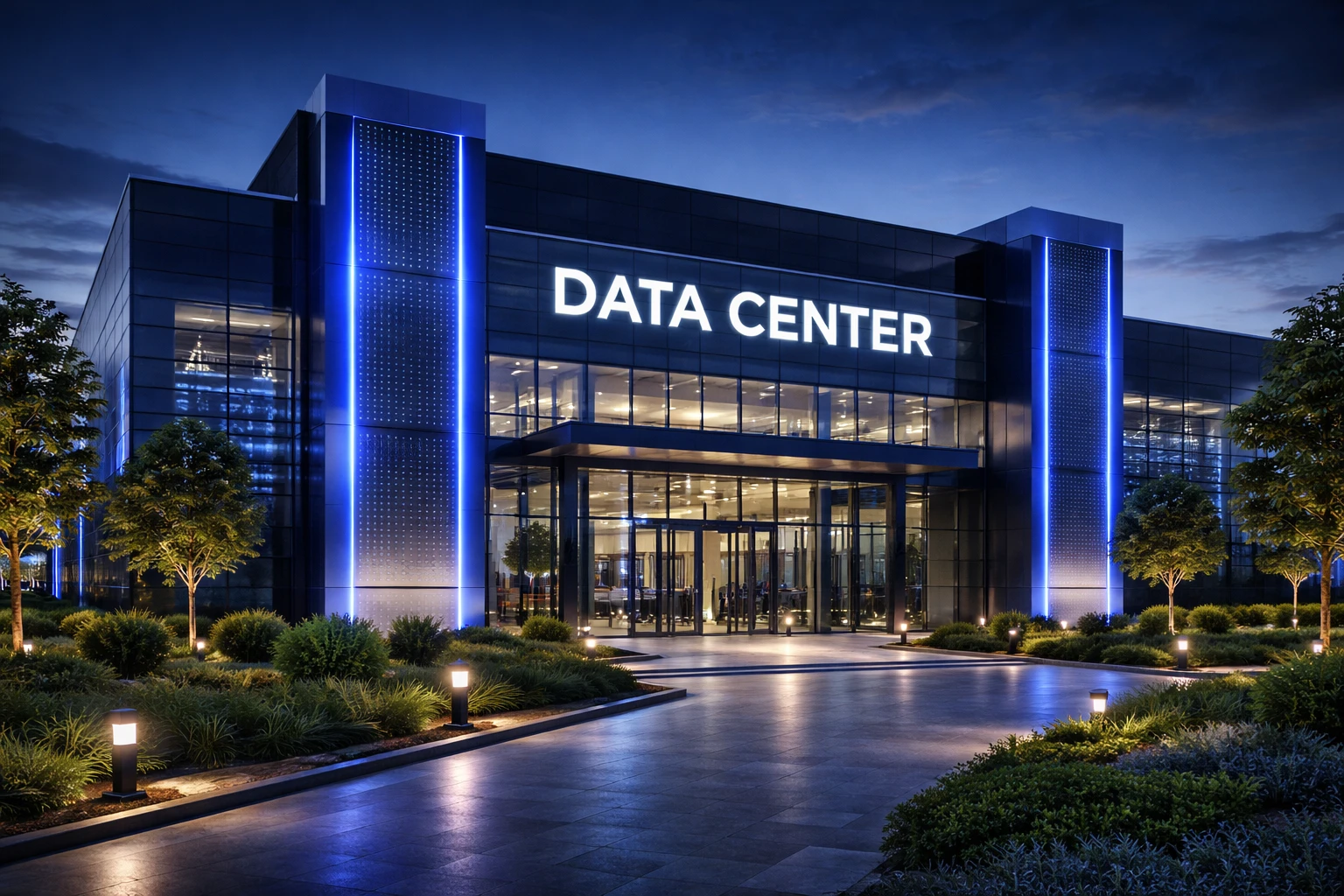
Choosing a dedicated server hosting provider directly affects not only infrastructure performance but also overall business stability. Mistakes at this stage lead to downtime, limited scalability, security issues, and unpredictable costs.
Unlike cloud platforms, dedicated servers require a more deliberate approach: responsibility for hardware, networking, and operations is distributed much more strictly between the client and the provider.
Infrastructure and hardware fundamentals
Infrastructure is the foundation of any dedicated hosting environment. This is where performance limits, fault tolerance, and scalability are defined.
A responsible provider always delivers precise and verifiable information about server hardware. Vague wording such as “powerful CPU” or “enterprise-grade hardware” without specific models is a clear warning sign.
Server hardware specifications and transparency
It is essential to pay attention to CPU generation and model. Even with the same number of cores, differences between processor generations can result in performance gaps of tens of percent, especially for databases, virtualization, and CPU-intensive workloads. The same applies to memory: RAM type, frequencies, and upgrade options matter for long-term operation.
Storage requires separate evaluation. NVMe drives differ fundamentally from standard SSDs in terms of latency and IOPS, and even more so compared to HDDs. The provider should clearly specify the types of drives used, available RAID configurations, and whether hardware RAID is supported or software RAID is applied.
Hardware refresh policy is another important factor. Reliable dedicated server providers regularly retire outdated equipment and can clearly explain how often hardware refresh cycles take place.
Data center locations and tier level
Data center location affects latency, service availability, and compliance with regulatory requirements. For B2B projects, it is not just the presence of locations that matters, but an understanding of which markets they cover and which usage scenarios they support.
The data center tier level (Tier III or Tier IV) defines the fault-tolerance architecture. Tier III enables maintenance without downtime and redundancy of key systems, which is the minimum standard for commercial dedicated servers. Tier IV adds full redundancy for all critical components but usually comes at a significantly higher cost.
It is important to look beyond the formal tier rating and evaluate real characteristics: power redundancy, independent power feeds, cooling systems, and the actual incident history.
Network capacity and connectivity
Network infrastructure is one of the most underestimated factors when choosing a dedicated server provider. High server performance loses its value if the network is weak or unstable.
Key parameters include port speed, scalability options, and the traffic model. The difference between unmetered and committed traffic is critical for projects with variable workloads. It is also important to understand which upstream providers are used and whether true multi-homing architecture is in place.
For public services and API-critical projects, built-in network-level DDoS protection is essential. It should be enabled by default, not offered as a paid add-on only after an incident occurs.
Reliability, uptime, and fault tolerance
The reliability of dedicated server hosting depends not on marketing claims, but on how the provider handles failures, incidents, and hardware degradation. This is where the difference between a formally “good” provider and one that is truly capable of supporting critical infrastructure becomes most visible.
Uptime guarantees and SLA details
An uptime SLA is more than just an availability percentage displayed on a website. It is essential to understand what the provider actually defines as downtime and what obligations apply in the event of an SLA breach.
Key aspects to review in the SLA documentation include:
- what is included in uptime calculations (network, power, the server itself, management services)
- how incidents are recorded and who confirms the occurrence of downtime
- how compensation is provided and whether there are practical mechanisms to claim it
Historical uptime data and publicly available incident statistics usually say more about a provider than any promises stated in a contract.
Hardware replacement and incident response
Hardware failures are inevitable, even in the most reliable data centers. What matters is not whether they occur, but how quickly and predictably the provider responds.
It is important to clarify:
- average and guaranteed replacement times for disks, power supplies, and RAM
- availability of spare components directly at the data center
- procedures for handling emergency incidents and overnight failures
If a provider cannot clearly define time-to-replace or avoids specific commitments, this almost always indicates a risk of prolonged downtime.
Backup power and disaster recovery readiness
Even with ideal server hardware, infrastructure remains vulnerable without a well-designed backup power system and disaster scenarios. This is especially critical for projects involving financial transactions, B2B services, and internal corporate systems.
A reliable dedicated server provider should ensure:
- multi-level power redundancy (UPS and generators)
- regular testing of disaster scenarios
- protection against physical risks such as overheating, smoke, and flooding
For mature infrastructures, it is worth discussing full data center failure scenarios in advance and the ability to rapidly deploy resources in an alternative location.
Management, control, and access

Even the most reliable hardware loses its value if server management is inconvenient, limited, or dependent on slow manual processes on the provider’s side. For dedicated servers, the level of control and management accessibility often becomes a critical factor in day-to-day operations.
Level of server management
Providers typically offer unmanaged and managed dedicated servers, but the actual scope of these models varies significantly. The plan name alone guarantees nothing — clearly defined areas of responsibility matter.
When choosing a managed approach, it is important to define in advance what exactly is included in support:
- operating system and core service administration
- updates, patching, and vulnerability management
- response to failures and performance degradation
It is essential to understand where the provider’s responsibility ends and the client’s begins, especially for custom applications and non-standard technology stacks.
Access and control mechanisms
Full control over a dedicated server is impossible without direct hardware access. IPMI, KVM, and similar tools should be available without unnecessary approvals or delays.
Critical capabilities include:
- remote reboot and console access
- fast OS reinstallation and basic provisioning automation
- availability of an API or control panel for bulk operations
The absence of these tools significantly increases recovery time and makes scaling expensive and slow.
Monitoring and alerting
Monitoring is not just a matter of convenience, but a foundation of stability. The provider should either offer basic monitoring tools or, at minimum, not interfere with the integration of external systems.
A minimum acceptable level includes:
- monitoring of hardware health and network interfaces
- alerts for critical incidents
- transparent information about scheduled maintenance
Without this, dedicated hosting turns into a reactive operating model where issues are discovered only after they have already affected users or business processes.
Security and compliance
For dedicated server hosting, security is not an optional add-on but a fundamental requirement. With physical server ownership, risks shift away from virtual isolation toward data center infrastructure, networking, and the provider’s operational processes.
Physical security of data centers
Physical security is often perceived as a formality, yet many critical incidents originate precisely at this level. A reliable provider clearly defines who has access to the equipment and under what conditions.
Key aspects to consider include:
- multi-level access control within data center zones
- video surveillance and access logs
- certification under security standards such as ISO 27001
Lack of transparency in these areas represents a serious risk for projects handling sensitive data.
Network and server-level security
Network security in dedicated hosting goes beyond a standard firewall. The provider must protect the infrastructure itself, not just deliver “clean connectivity.”
Core security components include:
- automatic network-level DDoS mitigation
- traffic filtering and protection against volumetric attacks
- network-level isolation between customers
It is important to understand in advance which measures are included by default and which are only activated after an attack or offered at an additional cost.
Compliance and regulatory requirements
For many B2B projects, regulatory compliance is a mandatory requirement rather than a preference. A dedicated server provider must be able to confirm that its infrastructure complies with legal and industry standards.
This most commonly includes:
- compliance with GDPR requirements
- guarantees regarding data location and processing
- support for industry standards in financial and corporate environments
If a provider avoids formalizing compliance-related matters, this almost always leads to problems during audits or business scaling.
Support quality and provider expertise
Support quality is one of the key factors that distinguishes a mature dedicated server provider from a standard infrastructure vendor. The support team ultimately determines how quickly incidents are resolved and how predictable server operations become.
Technical support availability
For dedicated hosting, round-the-clock technical support is critical. The issue is not only response time, but also who is actually handling the requests.
Key points to evaluate include:
- true 24/7 availability without limitations on communication channels
- clearly defined response time SLAs
- access to engineering-level support, not just first-line agents
Support teams that operate strictly by scripts rarely perform well in non-standard or emergency situations.
Provider experience and specialization
Provider experience directly affects infrastructure quality and the ability to support complex scenarios. Dedicated servers require an understanding of real-world workloads, not abstract configurations.
It is important to assess:
- how many years the provider has been operating specifically in dedicated hosting
- whether there is a focus on particular workloads or industries
- the ability to support high-load and mission-critical systems
A provider that treats shared hosting and enterprise infrastructure the same way often lacks the required level of expertise.
Communication and operational transparency
Transparent communication reduces risk and builds trust. A reliable provider does not hide problems and provides advance notice of maintenance activities.
High-quality operational communication includes:
- notifications about scheduled maintenance
- timely incident reports
- public status pages with historical records
Lack of transparency typically leads to unexpected downtime and loss of control on the client’s side.
Red flags when choosing a dedicated server provider
Some issues can be identified even before signing a contract if you pay close attention to wording, processes, and provider behavior. These signals are rarely accidental and almost always indicate systemic risks.
- Vague hardware descriptions. If a provider avoids precise specifications and relies on generic wording, this usually indicates a lack of control over the hardware or an attempt to hide its age. Dedicated hosting requires transparency down to specific models and configurations.
- Overpromising “unlimited” resources. Claims such as “unlimited traffic,” “unlimited performance,” and similar statements contradict the very nature of physical infrastructure. These promises are typically accompanied by hidden limitations that surface as workloads grow.
- Poor SLA wording. Vague SLAs without clear definitions of downtime, response times, and compensation mechanisms offer little real protection. Contracts where provider responsibility is limited to formal statements without enforceable commitments are particularly risky.
- Lack of real support expertise. Support teams that cannot answer technical questions before onboarding rarely improve after the contract is signed. The absence of engineering expertise is one of the most costly risks in dedicated hosting.
How to evaluate and compare dedicated server providers

Even with similar technical specifications, dedicated server providers can differ significantly in actual service quality. To avoid subjective decisions, comparisons should be based on practical criteria rather than marketing claims.
Practical comparison checklist
At the final selection stage, it is useful to consolidate all parameters into a single checklist and compare providers using the same evaluation framework.
A practical minimum for comparison includes:
- transparency of hardware configurations and network conditions
- real SLA terms and incident history
- hardware scaling and replacement policies
- technical support level and delivery model
This approach allows unsuitable options to be filtered out quickly, even before the negotiation stage.


Yuppow.con: What You Should Know Before Visiting

Moviws2watch: What You Should Know First

Methstreamz: What to Know Before Streaming

Lekulent: What It Means and Why People Are Curious

Hdtodat: Meaning, Uses, and Practical Value Today

Eroaberry: What It Is and What Users Should Know

Allgames365: A Complete Look at the Platform Experience

Why Choosing a Professional Noida Digital Marketing Agency Matters in 2026

vmovee: What to Know Before You Stream

rarbgget.org: What Users Should Know Today

FilmyzillaHD Explained: Movies, Risks, Legality, and Facts

Freemasx – A Complete Guide to Understanding the Platform

Epirnet: Transforming Digital Connectivity Today

Thithub: A Deep Dive Into the Platform’s Real Value

Dedicated Server Hosting Provider: What to Look For

Navigating the Future of High-Performance Streaming: The Search for a New Standard

iPhone 15 Cover: What Makes One Worth Buying and Another a Waste of Money

Pinaflux: A Comprehensive Guide to the Rising Digital Innovation

How Industrial LED Strip Light Suppliers Support Heavy-Duty Projects

Esat Yontunç Released Under Judicial Control as Reports Name Acun Ilıcalı in International Allegations
Yuppow.con: What You Should Know Before Visiting
Moviws2watch: What You Should Know First
Methstreamz: What to Know Before Streaming

How to Use a Temporary Number for WhatsApp

Sepatuindonesia.com | Best Online Store in Indonesia

The Best Methods to Download TikTok Videos Using SnapTik
-
 Tech1 year ago
How to Use a Temporary Number for WhatsApp
-
 Business2 years ago
Sepatuindonesia.com | Best Online Store in Indonesia
-
 Social Media2 years ago
The Best Methods to Download TikTok Videos Using SnapTik
-

 Technology2 years ago
Top High Paying Affiliate Programs
-

 Tech1 year ago
Understanding thejavasea.me Leaks Aio-TLP: A Comprehensive Guide
-

 FOOD1 year ago
How to Identify Pure Desi Ghee? Ultimate Guidelines for Purchasing Authentic Ghee Online
-
 Instagram3 years ago
Free Instagram Auto Follower Without Login
-
 Instagram3 years ago
Free Instagram Follower Without Login