
Technology
Dechecker AI Checker: Turning AI Drafts into Work You Can Stand Behind

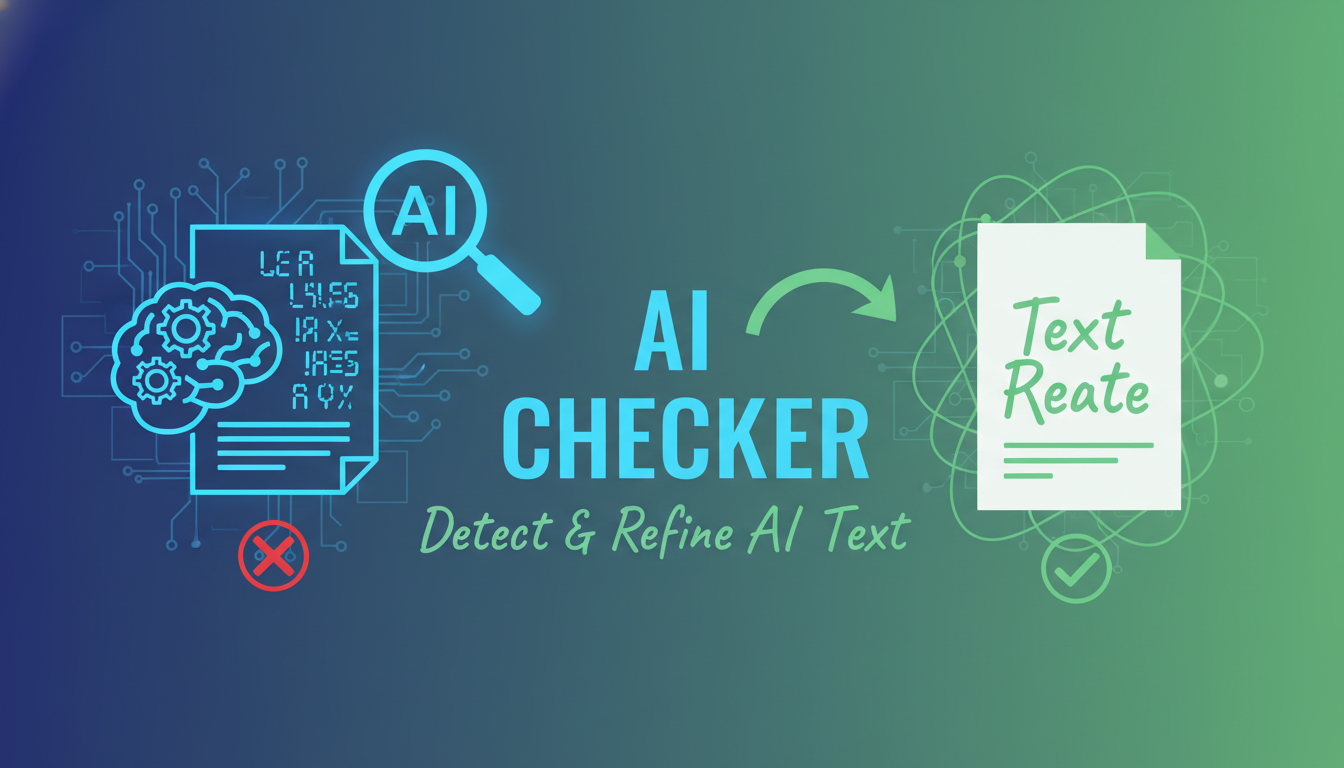
AI writing tools help people move faster, but speed often introduces a new kind of doubt. The text looks clean, maybe too clean. Before submitting, publishing, or sending it out, many writers pause and wonder how it will be judged. Dechecker exists for that pause. It helps people understand how their content is perceived and guides them toward writing that feels intentional, credible, and human.
When AI Writing Stops Feeling Safe
The familiar moment of second-guessing
A freelance writer finishes a client article in half the usual time. A student completes an essay before midnight for once. A marketer drafts a landing page without staring at a blank screen. Then comes the reread. The words work, but the voice feels distant. This is usually when an AI Checker enters the workflow, not out of fear, but out of caution.
Readers react before they analyze
Most readers don’t actively try to detect AI. They react instinctively. Engagement drops, trust weakens, or feedback feels vague. Dechecker focuses on these subtle reactions by identifying patterns that quietly signal automation.
Intent matters more than tools
Using AI is not the issue. Letting AI make all the decisions is. Dechecker helps writers see where intent faded and where it needs to be reintroduced.
How Dechecker Fits Into Everyday Writing
Draft first, evaluate second
Dechecker is not meant to replace drafting. Writers begin with ideas, structure, and goals. Only after the message exists does the AI Checker step in, acting as a lens rather than a judge.
Results that invite judgment
Instead of a binary answer, Dechecker shows probability and distribution. Writers see which sections feel most automated and decide how much to change. This keeps control in human hands.
Saving time by avoiding unnecessary rewrites
Not every paragraph needs fixing. Dechecker highlights specific areas worth attention, allowing writers to focus effort where it actually changes perception.
Case Insight: A Student Revising an Essay
The first check reveals surprises
A college student submits a draft to the AI Checker expecting a moderate score. The introduction and conclusion show higher AI likelihood than the body. This immediately shifts how revision is approached.
Targeted edits replace full rewrites
Instead of rewriting everything, the student adjusts transitions, varies sentence length, and clarifies stance in those flagged sections. The argument stays intact, but the tone sharpens.
Confidence replaces anxiety
After revision, the AI Checker result changes noticeably. More importantly, the student understands why. Writing becomes a skill-building process, not a guessing game.
What Actually Triggers AI Detection
Predictable rhythm across paragraphs
AI tends to produce evenly structured sentences. Dechecker surfaces this rhythm so writers can naturally vary pacing instead of forcing stylistic tricks.
Overly balanced language
Phrases that try to cover every angle often sound cautious. The AI Checker reveals where neutrality has gone too far and where clearer judgment would strengthen the message.
Generic openings and closings
Introductions and conclusions often carry the strongest AI signals. Dechecker makes these areas visible, helping writers focus revisions where readers form first and last impressions.
Making Text Sound Human Without Losing Control
Human writing reflects decisions
Being human on the page doesn’t mean casual or emotional. It means choosing what matters. Dechecker helps writers identify where AI made safe choices and where stronger intent belongs.
Using rewriting tools with restraint
When a paragraph still feels stiff after manual edits, the AI Humanizer offers a refined rewrite that preserves meaning while restoring natural flow. Used sparingly, it supports the writer rather than replacing them.
Avoiding the trap of over-editing
Some writers push too far, making text feel unnatural. Dechecker’s feedback helps maintain balance, ensuring revisions feel deliberate instead of reactive.
Case Insight: A Marketing Team Protecting Brand Voice
Fast output creates hidden sameness
A content team scales blog production with AI support. Traffic grows, but engagement plateaus. Dechecker reveals that many posts share similar phrasing and structure despite different topics.
Identifying where voice disappears
By running drafts through the AI Checker, editors see where automation flattens tone. They focus revisions on those areas, reintroducing brand-specific language.
Consistency without repetition
Over time, the team uses Dechecker as a quality checkpoint. Output remains fast, but voice becomes recognizable again.
Professional Writing and Stakeholder Trust
Language signals responsibility
In reports, proposals, and internal documents, subtle phrasing communicates ownership. Over-neutral AI language can weaken authority. Dechecker highlights where stronger positioning improves clarity.
Shortening review cycles
Instead of subjective debates about tone, teams reference AI Checker insights. Discussions become more focused, revisions faster, and approvals easier.
Demonstrating accountability
Running important documents through Dechecker before sharing signals care. It shows that AI assistance was managed, not blindly accepted.
Learning to Write Better Through Feedback
Patterns become visible over time
Repeated use helps writers anticipate AI Checker results. They start adjusting drafts instinctively, relying less on the tool and more on learned judgment.
Skill development, not dependence
Dechecker doesn’t replace writing ability. It accelerates learning by making abstract concepts like “voice” and “authenticity” observable.
Writers regain ownership
As intuition grows, the tool becomes a safety net rather than a crutch. Writers trust their choices again.
Managing AI Use Without Policing Creativity
Visibility instead of restriction
Trying to ban AI creates friction. Understanding its impact creates alignment. Dechecker provides that understanding without enforcing rigid rules.
Aligning teams around outcomes
Instead of arguing about whether AI was used, teams focus on results: clarity, credibility, engagement. Dechecker keeps attention on what actually matters.
Adapting as standards evolve
As detection methods change, perception will change too. Dechecker evolves with that reality, helping users stay ahead rather than react late.
Writing That Holds Up Under Human Reading
AI will continue to assist writing. What won’t change is how humans respond to language that feels intentional. Dechecker operates in that critical space between creation and perception.
By using AI Checker insights to guide revision and selective humanization to restore flow, writers turn AI-assisted drafts into work they can confidently submit, publish, or sign their name to.


Why Choosing a Professional Noida Digital Marketing Agency Matters in 2026

vmovee: What to Know Before You Stream

rarbgget.org: What Users Should Know Today

mycarle: Smarter Way to Manage Your Car

Movie4me cc: A Clear Look at Its Use and Risks

hanindisk: Complete Guide to Features and Safety

BPCLVTS: Complete Guide to BPCL Vehicle Tracking

Bolly4u Org: Understanding the Platform and Its Risks

Eligibility Criteria for MBBS in Uzbekistan for Indian Students – AMW Career Point
Smart Contracts: The Technology Changing How We Trust Online

dikganes Explained: Meaning, Usage, and Digital Significance

FilmyzillaHD Explained: Movies, Risks, Legality, and Facts

Freemasx – A Complete Guide to Understanding the Platform

Epirnet: Transforming Digital Connectivity Today

Thithub: A Deep Dive Into the Platform’s Real Value

Dedicated Server Hosting Provider: What to Look For

iPhone 15 Cover: What Makes One Worth Buying and Another a Waste of Money

taktubr Explained: Meaning, Usage, and Digital Significance

Navigating the Future of High-Performance Streaming: The Search for a New Standard

Pinaflux: A Comprehensive Guide to the Rising Digital Innovation
Why Choosing a Professional Noida Digital Marketing Agency Matters in 2026
vmovee: What to Know Before You Stream
rarbgget.org: What Users Should Know Today

How to Use a Temporary Number for WhatsApp

Sepatuindonesia.com | Best Online Store in Indonesia

The Best Methods to Download TikTok Videos Using SnapTik
-
 Tech1 year ago
How to Use a Temporary Number for WhatsApp
-
 Business2 years ago
Sepatuindonesia.com | Best Online Store in Indonesia
-
 Social Media2 years ago
The Best Methods to Download TikTok Videos Using SnapTik
-

 Technology2 years ago
Top High Paying Affiliate Programs
-

 Tech1 year ago
Understanding thejavasea.me Leaks Aio-TLP: A Comprehensive Guide
-

 FOOD1 year ago
How to Identify Pure Desi Ghee? Ultimate Guidelines for Purchasing Authentic Ghee Online
-
 Instagram3 years ago
Free Instagram Auto Follower Without Login
-
 Instagram3 years ago
Free Instagram Follower Without Login