
Lifestyle
Why Meteorite and Damascus Steel Rings are the Best Choice

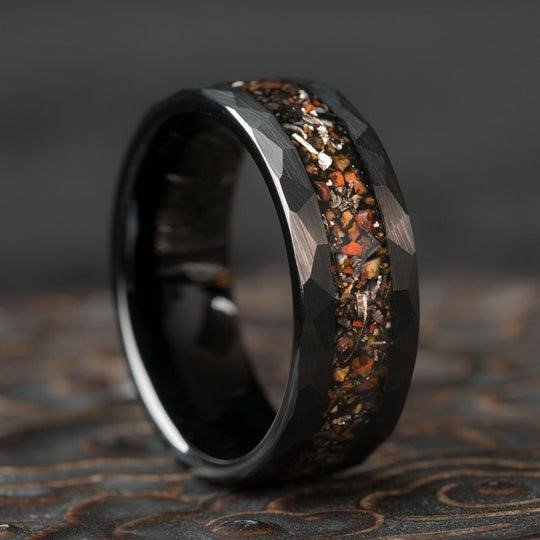
Choosing a wedding band is one of the most meaningful decisions you’ll make, representing a commitment that lasts a lifetime. While traditional gold and platinum rings have dominated the market for decades, modern couples are increasingly drawn to unique materials that reflect their individual personalities and values. Meteorite and Damascus steel rings have emerged as compelling alternatives, offering distinctive aesthetics and remarkable durability that set them apart from conventional options. These extraordinary materials bring cosmic origins and ancient craftsmanship into contemporary jewelry design, creating pieces that tell a story far beyond their visual appeal. Whether you’re seeking something that captures the mystery of space or the artistry of historical metalworking, understanding what makes these materials exceptional will help you make an informed choice. This guide explores why meteorite and Damascus steel rings stand out as superior options for those who want their wedding bands to be as unique as their love story.
Introduction to Wedding Bands
Wedding bands have evolved dramatically from simple gold circles to diverse expressions of personal style and commitment. Traditional metals like gold, silver, and platinum dominated for centuries due to their symbolic value and malleability, but modern couples now seek rings that reflect their unique identities. The contemporary market offers materials ranging from classic precious metals to innovative alternatives like meteorite, Damascus steel, and tungsten carbide. This shift reflects broader cultural changes where personalization and storytelling matter as much as tradition. Today’s couples consider factors beyond appearance, including durability for active lifestyles, hypoallergenic properties, and ethical sourcing. Alternative materials have gained popularity because they offer distinctive patterns, exceptional strength, and often more accessible pricing without compromising quality or meaning.
Why Meteorite Rings?
Meteorite rings capture billions of years of cosmic history in wearable form, offering an authenticity that no earthly material can match. Genuine meteorite used in jewelry typically comes from the Gibeon meteorite field in Namibia, featuring distinctive Widmanstätten patterns—crystalline structures formed over millions of years as the meteorite cooled in space. These geometric patterns are impossible to replicate artificially, making each ring genuinely one-of-a-kind. The iron-nickel composition provides surprising durability while maintaining a sophisticated metallic appearance that shifts between silver and gunmetal tones depending on lighting. Beyond aesthetics, meteorite rings carry profound symbolic weight—wearing material older than Earth itself represents timeless commitment and cosmic connection. The rarity factor appeals to couples seeking exclusivity, as meteorite supply is finite and carefully regulated. Modern jewelers often inlay meteorite into protective metals like titanium or tungsten to prevent oxidation while preserving the distinctive patterns. This combination delivers both visual impact and practical wearability for daily use. For those drawn to science, astronomy, or simply wanting a conversation piece that transcends ordinary jewelry, meteorite rings offer a tangible connection to the universe. The material’s extraterrestrial origin transforms a wedding band into a meaningful artifact that bridges earthly commitment with celestial wonder, making it ideal for couples who value both substance and symbolism in their choice.
Why Damascus Steel Rings?
Damascus steel rings showcase centuries-old metalworking artistry through their signature flowing patterns that resemble water, wood grain, or fingerprints. Originally developed for sword-making in the Middle East, modern Damascus steel is created by forge-welding multiple layers of steel alloys together, then folding and twisting the metal to create intricate designs. Each ring displays unique patterns depending on how the steel was manipulated during forging, ensuring no two pieces are identical. The layered construction creates remarkable strength while maintaining workability for detailed craftsmanship. Unlike printed or etched patterns, Damascus designs run through the entire metal depth, meaning they won’t wear away over time. The contrasting light and dark bands result from different steel alloys reacting uniquely to acid etching, which reveals the layered structure in striking detail. Damascus steel offers exceptional durability that withstands daily wear while developing a distinguished patina that enhances character over years. The material appeals to those who appreciate traditional craftsmanship merged with contemporary design sensibilities. Jewelers can customize Damascus patterns from bold, dramatic swirls to subtle, refined lines depending on personal preference. The steel’s strength allows for thinner, more comfortable ring profiles without sacrificing structural integrity. For couples valuing handcrafted quality and historical significance, Damascus steel represents human ingenuity and artistic dedication. The rings serve as wearable art that honors ancient techniques while creating modern heirlooms. This combination of functional durability, visual complexity, and cultural heritage makes Damascus steel an outstanding choice for those seeking wedding bands that embody both strength and beauty in equal measure.

Why Tungsten Rings?
Tungsten rings deliver unmatched scratch resistance and lasting polish that maintains its appearance through decades of wear. This metal ranks among the hardest materials used in jewelry, approximately ten times harder than gold and four times harder than titanium, making it virtually impervious to everyday scratches and dings. The exceptional density creates a substantial, quality feel that many wearers find satisfying and reassuring on their finger. Tungsten carbide rings retain their mirror-like finish without requiring periodic polishing or professional maintenance, offering practical benefits for those with demanding lifestyles or hands-on professions. The hypoallergenic properties make tungsten ideal for individuals with metal sensitivities who experience reactions to traditional jewelry metals. Available in various finishes from high polish to matte brushed, tungsten accommodates diverse aesthetic preferences while maintaining durability. The material’s affordability compared to precious metals allows couples to invest in quality craftsmanship and unique designs without stretching budgets. Modern tungsten rings often incorporate inlays of wood, carbon fiber, or meteorite, combining tungsten’s strength with distinctive visual elements. For active individuals who work with their hands or engage in sports, tungsten provides worry-free wear that withstands impacts that would damage softer metals. The permanence of tungsten’s appearance symbolizes enduring commitment, as the ring will look virtually identical years from now as it does today, making it an excellent choice for those prioritizing longevity and minimal maintenance.
Why Wedding Bands for Men?
Men’s wedding bands have transformed from afterthoughts to carefully considered expressions of personal style and lifestyle needs. Modern grooms prioritize durability and comfort since many wear their rings constantly through work, exercise, and daily activities that subject jewelry to considerable stress. Traditional precious metals often show wear quickly for men in hands-on professions like construction, mechanics, or healthcare, making alternative materials increasingly practical. Meteorite and Damascus steel appeal specifically to masculine aesthetics through their rugged textures, industrial finishes, and connection to strength—whether cosmic resilience or forged steel. These materials accommodate wider band widths that many men prefer without becoming prohibitively expensive as precious metals would at similar dimensions. The low-maintenance nature suits men who typically don’t remove rings for tasks or seek professional jewelry care regularly. Unique patterns in meteorite and Damascus steel resonate with men wanting distinctive pieces that spark conversation and reflect individual interests in science, history, or craftsmanship. Comfort fit profiles in these materials ensure all-day wearability even for those unaccustomed to wearing jewelry. The symbolic weight matters too—materials representing billions of years or ancient warrior traditions carry masculine gravitas that resonates emotionally. For men seeking wedding bands that balance meaningful symbolism with practical durability and distinctive appearance, meteorite and Damascus steel deliver on all fronts.
Comparing the Materials
When evaluating meteorite, Damascus steel, and tungsten for wedding bands, each material offers distinct advantages suited to different priorities. Meteorite provides unmatched uniqueness with its cosmic origin and irreplicable Widmanstätten patterns, though it requires protective inlays or coatings to prevent oxidation in humid environments. Damascus steel balances visual artistry with exceptional durability, developing character through natural patina while maintaining structural integrity without special maintenance beyond occasional oiling. Tungsten delivers superior scratch resistance and permanent polish but lacks the organic pattern variation found in meteorite and Damascus, offering consistency rather than individuality. In terms of weight, tungsten feels substantially heavier due to its density, while Damascus steel provides moderate heft, and meteorite inlays typically sit within lighter carrier metals like titanium. Customization potential varies significantly—Damascus steel allows extensive pattern manipulation during forging, meteorite patterns are naturally determined and cannot be altered, and tungsten accepts inlays but cannot itself be patterned. Price considerations show tungsten as most affordable, Damascus steel in the mid-range depending on pattern complexity, and meteorite commanding premium pricing due to material scarcity. For couples prioritizing cosmic symbolism and conversation value, meteorite excels; those valuing handcrafted artistry and historical connection gravitate toward Damascus steel; and individuals seeking maximum durability with minimal maintenance find tungsten ideal. The best choice ultimately depends on whether you value uniqueness, craftsmanship, or practical resilience most in your wedding band.
Practical Consideration
Selecting the right ring material requires weighing lifestyle factors, maintenance requirements, and long-term wearability. For meteorite rings, consider your climate—humid environments accelerate oxidation, so choose designs with protective titanium or tungsten sleeves that shield the meteorite while displaying its patterns. If you work with your hands frequently, Damascus steel offers excellent impact resistance but benefits from occasional mineral oil application to maintain its distinctive contrast and prevent surface dulling. Tungsten’s brittleness means it can shatter under extreme impact rather than bending, making it less suitable for heavy industrial work despite its scratch resistance. Sizing presents unique challenges—tungsten and some meteorite-inlaid rings cannot be resized, so accurate initial sizing is critical, while Damascus steel allows limited adjustments through professional jewelers. Budget considerations extend beyond purchase price to long-term care; meteorite may require periodic re-etching to restore pattern visibility, Damascus needs minimal maintenance, and tungsten requires none but must be fully replaced if damaged. Comfort matters for daily wear—try different band widths and profiles, as heavier tungsten may feel cumbersome initially, while lighter meteorite inlays provide barely-there comfort. Consider warranty coverage, as reputable jewelers like Saga Bands often offer lifetime warranties for structural issues but may exclude damage from misuse. Testing your tolerance by wearing a temporary ring for several days helps identify potential irritations before committing to these permanent materials.
Choosing Your Perfect Ring
Meteorite and Damascus steel rings represent the pinnacle of alternative wedding band materials, offering distinctive character that traditional metals simply cannot match. These materials transcend ordinary jewelry by combining cosmic wonder or ancient craftsmanship with modern durability, creating pieces that tell compelling stories while withstanding decades of daily wear. Meteorite rings connect wearers to the universe’s timeless expanse, while Damascus steel honors centuries of metalworking artistry through mesmerizing patterns that evolve beautifully over time. Both materials deliver the uniqueness today’s couples seek—no two rings are identical, ensuring your wedding band remains as individual as your relationship. Whether you’re drawn to extraterrestrial origins, handcrafted layered steel, or the practical resilience of tungsten, these alternatives offer superior value through their combination of durability, aesthetics, and meaningful symbolism. The choice ultimately reflects what matters most to you: cosmic connection, artistic heritage, or unwavering strength. By selecting meteorite or Damascus steel, you’re choosing a wedding band that breaks from convention while honoring the profound commitment it represents, creating a lasting symbol worthy of your unique love story.


Yuppow.con: What You Should Know Before Visiting

Moviws2watch: What You Should Know First

Methstreamz: What to Know Before Streaming

Lekulent: What It Means and Why People Are Curious

Hdtodat: Meaning, Uses, and Practical Value Today

Eroaberry: What It Is and What Users Should Know

Allgames365: A Complete Look at the Platform Experience

Why Choosing a Professional Noida Digital Marketing Agency Matters in 2026

vmovee: What to Know Before You Stream

rarbgget.org: What Users Should Know Today

dikganes Explained: Meaning, Usage, and Digital Significance

FilmyzillaHD Explained: Movies, Risks, Legality, and Facts

Freemasx – A Complete Guide to Understanding the Platform

Epirnet: Transforming Digital Connectivity Today

Thithub: A Deep Dive Into the Platform’s Real Value

Dedicated Server Hosting Provider: What to Look For

iPhone 15 Cover: What Makes One Worth Buying and Another a Waste of Money

Navigating the Future of High-Performance Streaming: The Search for a New Standard

taktubr Explained: Meaning, Usage, and Digital Significance

Pinaflux: A Comprehensive Guide to the Rising Digital Innovation
Yuppow.con: What You Should Know Before Visiting
Moviws2watch: What You Should Know First
Methstreamz: What to Know Before Streaming

How to Use a Temporary Number for WhatsApp

Sepatuindonesia.com | Best Online Store in Indonesia

The Best Methods to Download TikTok Videos Using SnapTik
-
 Tech1 year ago
How to Use a Temporary Number for WhatsApp
-
 Business2 years ago
Sepatuindonesia.com | Best Online Store in Indonesia
-
 Social Media2 years ago
The Best Methods to Download TikTok Videos Using SnapTik
-

 Technology2 years ago
Top High Paying Affiliate Programs
-

 Tech1 year ago
Understanding thejavasea.me Leaks Aio-TLP: A Comprehensive Guide
-

 FOOD1 year ago
How to Identify Pure Desi Ghee? Ultimate Guidelines for Purchasing Authentic Ghee Online
-
 Instagram3 years ago
Free Instagram Auto Follower Without Login
-
 Instagram3 years ago
Free Instagram Follower Without Login