
Blog
Bruce Lee’s Iconic Yellow Suit: The Story Behind a Legendary Look

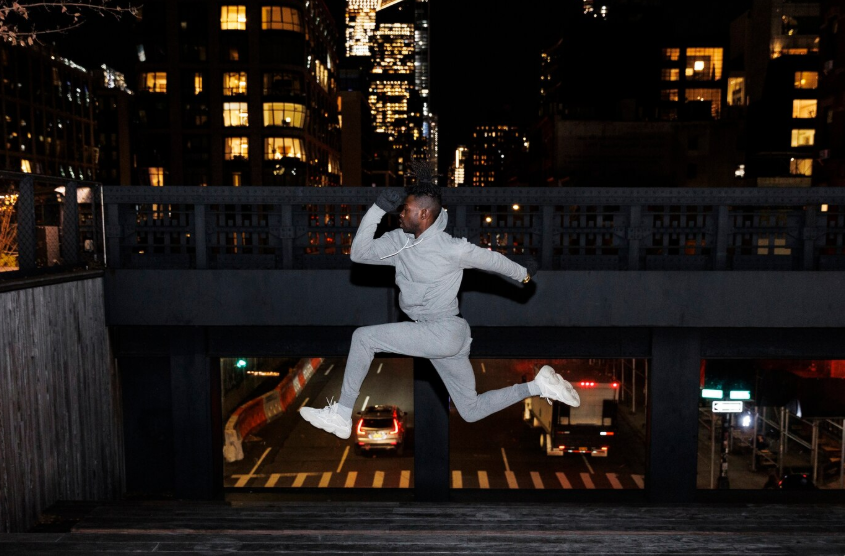
Few outfits in film history are as instantly recognizable as Bruce Lee’s yellow tracksuit. Worn in his final, unfinished film Game of Death, this bright, bold costume is forever associated with one of the greatest martial artists of all time. Whether you know Bruce Lee as the father of modern mixed martial arts or simply as a cinematic icon, his yellow suit has become a symbol of strength, style, and resilience. Let’s explore the fascinating story of this legendary outfit, its cultural impact, and why it continues to inspire decades after its first appearance.
The Origin of the Yellow Suit
In 1972, Bruce Lee began work on Game of Death, a project that was to be his most ambitious and personal film. Tragically, he passed away in 1973 before completing the movie. However, the few scenes he shot — especially those featuring him in a bright yellow one-piece tracksuit — left an indelible mark. Bruce Lee’s outfit was a functional choice designed for action scenes: it fit snugly, allowing him to move freely, and was bright enough to stand out against the dark backgrounds of the fight sets. The color yellow may also have carried personal significance, as it symbolizes energy and life — two qualities that defined Lee.
The Design and Practicality of the Suit
Bruce Lee’s yellow suit was simple yet practical. The one-piece tracksuit had a bold black stripe running down each side, creating a minimalist but striking color contrast. The suit was tailored to fit him perfectly, which was key for showcasing his lightning-fast reflexes and acrobatic skill. Its bright color also meant that every movement was highly visible — a vital feature in long, continuous fight scenes. Unlike heavy armor or flashy costumes, the tracksuit prioritized comfort and mobility. This perfect blend of form and function allowed Bruce Lee to look effortless even while delivering intense, powerful strikes.
Its Role in Game of Death
In Game of Death, the suit became an iconic visual marker as Lee’s character ascended a pagoda filled with increasingly challenging martial artists. Even though Game of Death was never completed as originally envisioned, the surviving footage — especially of his fight with Kareem Abdul-Jabbar — became legendary. Every kick, punch, and dodge was amplified by the bold yellow color, allowing viewers to appreciate Bruce Lee’s incredible skill and presence. The yellow suit became as much a character in the story as any of the foes he faced, and fans loved this unique aesthetic that had never been seen before in a martial-arts movie.
Cultural Impact of the Tracksuit
The yellow tracksuit transcended its role in the movie to become a pop culture icon. Many people who never watched Game of Death instantly recognize the suit and associate it with Bruce Lee’s philosophy of freedom, mastery, and innovation. The suit has appeared as an homage in countless movies, TV shows, and video games — often worn by characters who embody the spirit of rebellion or mastery over one’s craft. Even decades after Bruce Lee’s passing, the yellow suit stands as one of his most enduring symbols and a shorthand for skill, courage, and iconic style.
Tributes in Modern Cinema
Modern filmmakers have paid tribute to Bruce Lee’s yellow suit in various ways. Quentin Tarantino’s Kill Bill famously dressed Uma Thurman’s character, The Bride, in a near-replica of Lee’s tracksuit as she fought her enemies with a katana. This homage was a direct acknowledgment of Lee’s influence on Tarantino and the entire action genre. Similarly, animated shows, video games, and even sports athletes have adopted the look as a way of honoring Bruce Lee. From action figures to cosplay conventions, the yellow suit has become a shorthand for anyone who strives to embody the excellence and style that Bruce Lee represented.
Impact on Martial Arts Culture
For martial artists and athletes worldwide, Bruce Lee’s yellow suit symbolizes excellence and self-expression. Unlike traditional black belts or formal uniforms, the yellow tracksuit gave a rebellious edge to the disciplined world of martial arts. Many modern athletes wear similar vibrant gear during training to show that technique and flair can go hand-in-hand. Beyond its visual appeal, the suit reminds practitioners that martial arts is not just about discipline and tradition — it can also be a bold personal expression of one’s philosophy and creativity.
Fashion and Pop Culture
The yellow suit’s influence goes beyond martial arts or action movies — it has inspired mainstream fashion trends as well. Sportswear brands have released limited-edition tracksuits in yellow and black as a tribute to Lee’s iconic look. High-fashion designers have incorporated similar color-blocking into their runway collections. Even street style, often driven by nostalgia and cultural references, celebrates the boldness of the tracksuit. In every corner of style culture, people appreciate the suit’s simple power: it’s bold, minimalistic, functional, and instantly recognizable. That kind of timeless visual language is what keeps Bruce Lee’s yellow suit in style year after year.
Symbolism and Meaning
On a deeper level, the yellow suit carries rich symbolism. Bruce Lee was someone who broke barriers — across race, nationality, and tradition — and his choice of outfit reflected that. The color yellow, associated with energy and joy, showed that Bruce wasn’t interested in conforming to stereotypes or clichés. Instead, he embraced movement, grace, and fearlessness. The suit wasn’t weighed down by ornaments or embellishments; like his fighting style, it was stripped down to the essentials, showing that power lies in authenticity and purpose rather than appearance. Every time someone dons a yellow tracksuit today, they channel that same fearless authenticity.
Fans and Collectors
For devoted Bruce Lee fans and collectors, the yellow suit is a prized artifact. Movie props, signed posters, and limited-edition merchandise featuring the yellow tracksuit are highly collectible items. Every year, Bruce Lee conventions and exhibits feature displays dedicated to his Game of Death look, celebrating his artistry and legacy. Fans often describe the suit as representing Bruce Lee at his most confident and dynamic — a snapshot of his enduring influence on global culture.
Reimagining the Look
New generations of creators continue to reinterpret the yellow tracksuit for modern audiences. Whether in comic books, fan art, or independent short films, artists remix the bold color and silhouette to tell new stories about strength, resilience, and self-expression. From dance routines to photo shoots, the yellow suit is endlessly adaptable — a testament to its timeless design. Bruce Lee showed that clothing could be part of a larger philosophy, and today’s creative minds continue to embrace that legacy.
Conclusion
More than just a piece of clothing, Bruce Lee’s yellow tracksuit is a visual legacy that continues to inspire. Its bold color and perfect cut highlight the martial artist’s incredible skill and enduring appeal. Even though Game of Death was never completed, the yellow suit achieved immortality through its sheer impact on popular culture, fashion, and cinema. Bruce Lee’s legacy reminds us that style and substance can go hand in hand — and sometimes, all it takes is a simple suit to leave an everlasting mark on the world.


Tennis Betting Tips For Beginners: How To Start Betting Smart

Wanda Hutchins: Life, Family, and Quiet Strength

Toriah Lachell: Career, Life, and Public Spotlight

Rishia Haas: A Private Life Beyond the Spotlight

MyKaty Guide for Residents and Newcomers

Micky Popovich: Background and Public Interest

Debra Lee Blocker: Life, Identity, and Public Curiosity

Boogie Tillmon: Life, Family, and Public Story

Culinary Degree: Pathways to a Career in the Culinary Arts

Dubai Crypto Traders in 2026: Why Anonymous Exchanges Are Gaining Popularity in the UAE

FilmyzillaHD Explained: Movies, Risks, Legality, and Facts

dikganes Explained: Meaning, Usage, and Digital Significance

Epirnet: Transforming Digital Connectivity Today

Jememintre: Meaning, Uses, and Real-World Relevance

Thithub: A Deep Dive Into the Platform’s Real Value

Freemasx – A Complete Guide to Understanding the Platform

Xfrencies: Meaning, Usage, and Digital Relevance

Dedicated Server Hosting Provider: What to Look For

Navigating the Future of High-Performance Streaming: The Search for a New Standard

taktubr Explained: Meaning, Usage, and Digital Significance
Tennis Betting Tips For Beginners: How To Start Betting Smart
Wanda Hutchins: Life, Family, and Quiet Strength
Toriah Lachell: Career, Life, and Public Spotlight

How to Use a Temporary Number for WhatsApp

Sepatuindonesia.com | Best Online Store in Indonesia

The Best Methods to Download TikTok Videos Using SnapTik
-
 Tech1 year ago
How to Use a Temporary Number for WhatsApp
-
 Business2 years ago
Sepatuindonesia.com | Best Online Store in Indonesia
-
 Social Media2 years ago
The Best Methods to Download TikTok Videos Using SnapTik
-

 Technology2 years ago
Top High Paying Affiliate Programs
-

 Tech12 months ago
Understanding thejavasea.me Leaks Aio-TLP: A Comprehensive Guide
-

 FOOD1 year ago
How to Identify Pure Desi Ghee? Ultimate Guidelines for Purchasing Authentic Ghee Online
-
 Instagram3 years ago
Free Instagram Auto Follower Without Login
-
 Instagram3 years ago
Free Instagram Follower Without Login