
Business
Getting Started with Email Marketing Tools for Small Businesses!

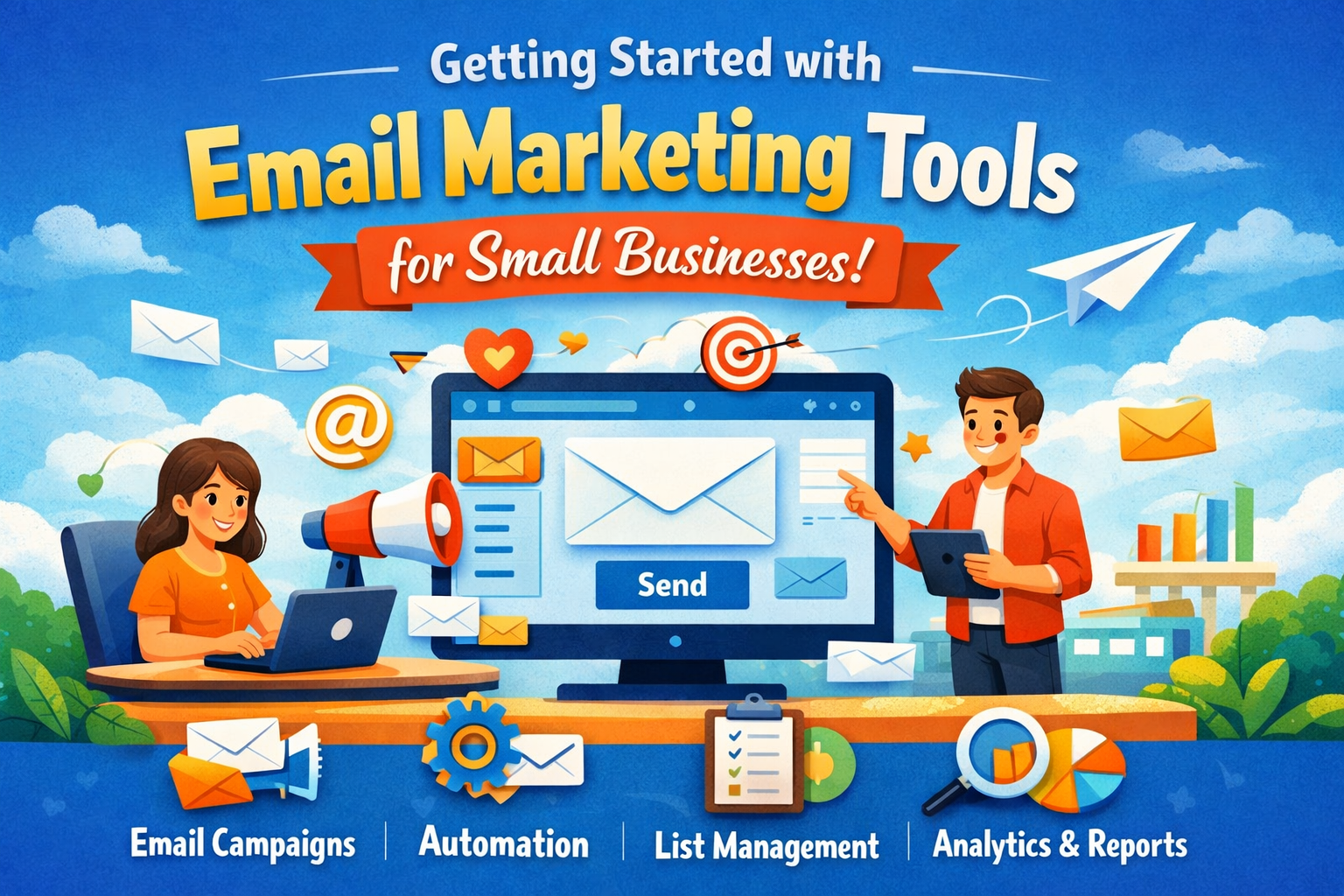
Email marketing remains one of the most effective and affordable digital marketing channels for small businesses. With the right email marketing tools, even businesses with limited budgets and small teams can build strong customer relationships, increase sales, and grow their brand consistently. This starter guide will walk you through what email marketing tools are, why they matter, and how small businesses can use them effectively.
Why Email Marketing Matters for Small Businesses
Small businesses often face challenges such as limited marketing budgets, lack of technical expertise, and time constraints. Email marketing helps overcome these challenges by offering:
- High ROI: Email marketing consistently delivers one of the highest returns on investment among digital channels.
- Direct communication: Emails land directly in customers’ inboxes, allowing personalized and targeted messaging.
- Customer retention: Regular email communication keeps your brand top-of-mind.
- Scalability: You can start small and grow your campaigns as your business expands.
However, managing email campaigns manually is inefficient and prone to errors. That’s where email marketing tools come in.
What Are Email Marketing Tools?
Email marketing tools are software platforms designed to help businesses create, send, manage, and analyze email campaigns. These tools simplify the entire email marketing process, from designing emails to tracking performance metrics like open rates and click-through rates.
Most modern email marketing tools offer features such as:
- Email templates and drag-and-drop editors
- Contact list management and segmentation
- Automation workflows
- Analytics and reporting
- Deliverability optimization
For small businesses, these tools eliminate the need for advanced technical knowledge while still providing professional results.
Key Benefits of Using Email Marketing Tools
1. Time and Cost Efficiency
Automation features allow you to send welcome emails, follow-ups, and promotional messages automatically. This saves time and reduces the need for manual intervention.
2. Professional Email Design
Most tools offer pre-designed templates, enabling small businesses to create visually appealing emails without hiring a designer, or they can use a professional email design service to crowdsource designs tailored to their brand.
3. Better Audience Targeting
Email marketing tools allow segmentation based on customer behavior, location, purchase history, and preferences. This ensures your messages are relevant and personalized.
4. Measurable Results
Built-in analytics show what’s working and what isn’t, helping you refine your strategy and improve campaign performance over time.
Essential Features Small Businesses Should Look For
When choosing an email marketing tool, small businesses should focus on features that balance simplicity with functionality.
User-Friendly Interface
A simple dashboard and drag-and-drop email builder are crucial for beginners, especially for users who rely on tools like backlinkier to streamline their digital marketing efforts.
Automation Capabilities
Look for tools that offer basic automation, such as welcome emails, abandoned cart reminders, and re-engagement campaigns.
List Management and Segmentation
Organizing contacts into segments helps deliver targeted messages that convert better than generic emails.
Deliverability Tools
Good deliverability ensures your emails land in inboxes, not spam folders. This includes authentication support and sender reputation monitoring.
Analytics and Reporting
Tracking metrics like open rates, bounce rates, and conversions helps measure success and identify areas for improvement.
The Importance of Email Deliverability for Small Businesses
No matter how great your email content is, it won’t generate results if it doesn’t reach the inbox. Email deliverability is a critical factor that small businesses often overlook.
Deliverability depends on several factors, including sender reputation, email authentication, and list quality. Using email marketing tools that support SPF, DKIM, and DMARC authentication can significantly improve inbox placement. These elements are a crucial part of technical seo, as proper email authentication and domain configuration help search engines and email providers trust your brand’s digital presence.
To ensure your domain is properly configured, it’s a good practice to occasionally test your setup using a free SPF checker online, which helps verify whether your SPF records are correctly set up and reduces the risk of your emails being flagged as spam.
Popular Types of Email Marketing Tools for Small Businesses
All-in-One Platforms
These tools combine email marketing with CRM, landing pages, and automation. They are ideal for businesses looking for a centralized solution.
Budget-Friendly Email Tools
Designed specifically for startups and small businesses, these platforms offer essential features at lower costs or even free plans with limitations.
E-commerce-Focused Tools
If you run an online store, look for tools that integrate with e-commerce platforms and support features like abandoned cart emails and product recommendations.
How to Get Started with Email Marketing Tools
Step 1: Define Your Goals
Before choosing a tool, identify what you want to achieve—lead generation, sales, customer retention, or brand awareness.
Step 2: Build a Quality Email List
Use signup forms, lead magnets, and website pop-ups to collect email addresses ethically. Avoid purchasing email lists, as this harms deliverability and trust.
Step 3: Choose the Right Tool
Select a tool that matches your business size, budget, and goals. Start with a free or entry-level plan and upgrade as needed.
Step 4: Create Valuable Content
Focus on providing value through newsletters, promotions, educational content, and personalized offers.
Step 5: Analyze and Optimize
Use analytics to track campaign performance and make data-driven improvements over time.
Common Mistakes Small Businesses Should Avoid
- Sending too many emails and overwhelming subscribers
- Ignoring mobile optimization
- Failing to segment email lists
- Not monitoring deliverability metrics
- Skipping testing and analytics
Email marketing tools are designed to help avoid these mistakes, but only if they are used strategically.
Final Thoughts
Email marketing tools empower small businesses to compete with larger brands by offering affordable, scalable, and effective communication channels. With the right tool and a clear strategy, small businesses can build lasting customer relationships, drive consistent revenue, and grow sustainably.
By focusing on ease of use, automation, deliverability, and analytics, small businesses can turn email marketing into a powerful growth engine. Whether you’re just starting out or looking to improve your current efforts, investing in the right email marketing tool is a step toward long-term success.
This beginner-friendly guide explains what email marketing tools are, why they are essential, and how small businesses can use them effectively for long-term success.
Why Email Marketing Matters for Small Businesses
Small businesses often struggle with limited budgets, lack of technical skills, and time constraints. Email marketing helps overcome these challenges by offering several key advantages:
High ROI: Email marketing consistently delivers one of the highest returns on investment compared to other digital marketing channels.
Direct communication: Emails reach customers directly in their inbox, allowing personalized and targeted messaging.
Customer retention: Regular email communication helps keep your brand top-of-mind and strengthens customer loyalty.
Scalability: You can start with simple campaigns and gradually expand as your business grows.
Manually managing email campaigns can be time-consuming and error-prone, which is why email marketing tools are essential for efficiency and accuracy.
What Are Email Marketing Tools?
Email marketing tools are software platforms that help businesses create, send, manage, and track email campaigns with ease. These tools simplify the entire email marketing process—from designing professional emails to analyzing performance data.
Most modern email marketing tools include features such as:
- Pre-built email templates and drag-and-drop editors
- Contact list management and segmentation
- Email automation workflows
- Analytics and performance reporting
- Deliverability and inbox optimization
For small businesses, these tools eliminate the need for advanced technical knowledge while still delivering professional-quality results.
Key Benefits of Using Email Marketing Tools
1. Time and Cost Efficiency
Automation allows businesses to send welcome emails, follow-ups, and promotional messages automatically. This saves valuable time and reduces manual workload.
2. Professional Email Design
Most tools offer ready-made templates that help small businesses create visually appealing emails without hiring a designer. Some businesses may also choose professional email design services for custom branding.
3. Better Audience Targeting
Email marketing tools enable segmentation based on customer behavior, location, interests, and purchase history, ensuring messages are relevant and personalized.
4. Measurable Results
Built-in analytics make it easy to track open rates, click-through rates, and conversions, helping businesses refine their email strategies over time.
Essential Features Small Businesses Should Look For
When selecting an email marketing tool, small businesses should prioritize features that balance simplicity and performance.
User-Friendly Interface
A clean dashboard and drag-and-drop email builder are ideal for beginners, especially for businesses already using tools like backlinkier to support their overall digital marketing strategy.
Automation Capabilities
Look for tools that support basic automation such as welcome emails, abandoned cart reminders, and re-engagement campaigns.
List Management and Segmentation
Effective contact organization allows businesses to send targeted emails that perform better than generic broadcasts.
Deliverability Tools
Strong deliverability features ensure emails land in inboxes rather than spam folders. This includes sender reputation monitoring and email authentication support.
Analytics and Reporting
Tracking performance metrics helps businesses understand what works and where improvements are needed.
The Importance of Email Deliverability for Small Businesses
No matter how great your email content is, it won’t generate results if it doesn’t reach the inbox. Email deliverability is a critical factor that small businesses often overlook.
Deliverability depends on several factors, including sender reputation, email authentication, and list quality. Using email marketing tools that support SPF, DKIM, and DMARC authentication can significantly improve inbox placement. These elements are a crucial part of technical seo, as proper email authentication and domain configuration help search engines and email providers trust your brand’s digital presence.
To ensure your domain is properly configured, it’s a good practice to occasionally test your setup using a free SPF checker online, which helps verify whether your SPF records are correctly set up and reduces the risk of your emails being flagged as spam.
Popular Types of Email Marketing Tools for Small Businesses
All-in-One Platforms
These tools combine email marketing, CRM, landing pages, and automation, making them ideal for businesses seeking a centralized solution.
Budget-Friendly Email Tools
Designed for startups and small businesses, these platforms offer essential features at affordable prices or provide free plans with limited functionality.
E-commerce-Focused Tools
Online stores should look for tools that integrate with e-commerce platforms and support features like abandoned cart emails, order follow-ups, and product recommendations.
How to Get Started with Email Marketing Tools
Step 1: Define Your Goals
Decide whether your focus is lead generation, sales growth, customer retention, or brand awareness.
Step 2: Build a Quality Email List
Use signup forms, lead magnets, and website pop-ups to collect email addresses ethically. Avoid buying email lists, as this negatively affects trust and deliverability.
Step 3: Choose the Right Tool
Select a platform that fits your budget, business size, and marketing goals. Starting with a free or basic plan is often the best approach.
Step 4: Create Valuable Content
Send newsletters, promotions, educational content, and personalized offers that provide real value to subscribers.
Step 5: Analyze and Optimize
Use analytics to monitor performance and continuously improve your campaigns based on data.
Common Mistakes Small Businesses Should Avoid
- Sending too many emails and overwhelming subscribers
- Ignoring mobile-friendly email design
- Not segmenting email lists
- Overlooking deliverability metrics
- Skipping testing and performance analysis
Email marketing tools help prevent these issues—but only when used strategically and consistently.
Final Thoughts
Email marketing tools allow small businesses to compete with larger brands by offering affordable, scalable, and effective communication channels. With the right platform and a clear strategy, businesses can build strong customer relationships, increase engagement, and drive consistent revenue.
By prioritizing ease of use, automation, deliverability, and analytics, small businesses can transform email marketing into a powerful long-term growth engine. Whether you’re just starting or refining your strategy, investing in the right email marketing tool is a smart move toward sustainable success.

Understanding AI Agent Architecture: From Automation to Autonomous Intelligence

How DMCA Ignored Hosting Help Adult Content Sites?

Other Alternatives to the Bigbunny Login Casino
Web UI Design Services, Custom Web App Development, or Local Product Design: Where to Start

Type-C to C vs Type A to Type C Cable: What’s the Difference?

How Executive Search Software Selects and Manages Senior Leadership Candidates

Data Science Course in Pune with Placement Support: From Classroom Training to Your First Job

Ethical Hacking Courses in Mumbai with Placement: Institutes, Duration, Fees & Jobs 2026

Best Micro Influencer Agency Singapore: Why Micro Beats Macro for Conversion

What Makes a Crypto Exchange Top-Rated? Understanding the Ranking Criteria
Web UI Design Services, Custom Web App Development, or Local Product Design: Where to Start
How Executive Search Software Selects and Manages Senior Leadership Candidates
Other Alternatives to the Bigbunny Login Casino
Type-C to C vs Type A to Type C Cable: What’s the Difference?
How DMCA Ignored Hosting Help Adult Content Sites?
Understanding AI Agent Architecture: From Automation to Autonomous Intelligence


 Tech2 years ago
How to Use a Temporary Number for WhatsApp
- Business3 years ago
Sepatuindonesia.com | Best Online Store in Indonesia
- Social Media2 years ago
The Best Methods to Download TikTok Videos Using SnapTik
- Technology2 years ago
Top High Paying Affiliate Programs
- Tech2 years ago
Understanding thejavasea.me Leaks Aio-TLP: A Comprehensive Guide
- FOOD2 years ago
How to Identify Pure Desi Ghee? Ultimate Guidelines for Purchasing Authentic Ghee Online

 Instagram4 years ago
Free Instagram Auto Follower Without Login
- Instagram4 years ago
Free Instagram Follower Without Login