
Blog
Cortado: A Smooth Coffee Classic Loved Around the World

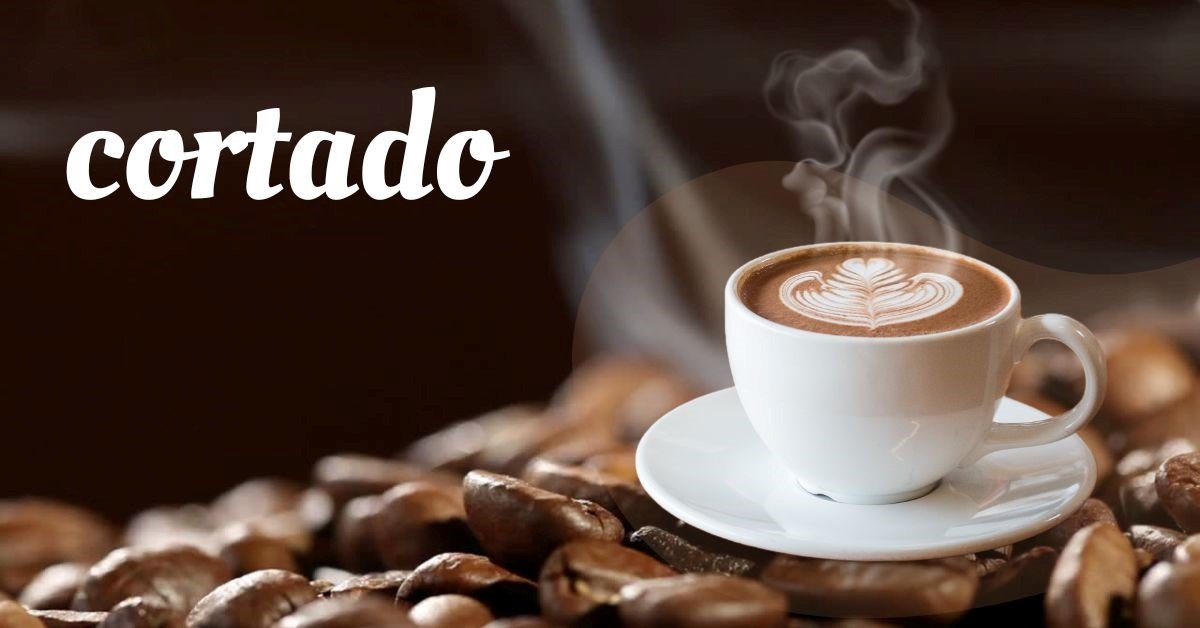
A cortado is one of the most beloved espresso-based drinks worldwide, known for its smooth balance of espresso and warm milk. Originating from Spain, its name comes from the Spanish word “cortar,” meaning “to cut.” This refers to how the milk “cuts” the acidity and intensity of the espresso, creating a rich yet mellow drink. With its perfect harmony, the cortado has earned a devoted following among coffee lovers who crave something bold yet silky.
The Spanish Roots of the Cortado
The cortado traces its origins to Spain’s Basque Country, where locals enjoyed strong espresso softened with just enough milk to enhance flavor without overshadowing it. Over time, the drink spread across Spanish-speaking countries and eventually reached specialty cafés around the world. While recipes vary slightly, the traditional cortado remains a cherished part of Spanish coffee culture.
What Makes a Cortado Unique?
A cortado stands out because of its simplicity and its balanced flavor profile. Unlike lattes or cappuccinos, it uses less milk and has no foam. The drink is typically served in a small glass, allowing the natural flavors of espresso to shine. It’s neither too strong nor too milky—it sits beautifully in the middle.
The Perfect Espresso-to-Milk Ratio
Most cortados use a 1:1 ratio of espresso to steamed milk. This equal balance is what gives the drink its signature taste. The milk is warmed but not overly frothed, creating a smooth texture that blends seamlessly with the espresso. The result is a creamy, bold drink that feels comforting and satisfying.
Cortado vs. Latte: Understanding the Difference
A latte contains far more milk than a cortado, making it lighter and creamier. A cortado, on the other hand, uses just enough milk to soften the espresso without overwhelming it. If a latte is soft and milky, a cortado is stronger, richer, and more intense.
Cortado vs. Cappuccino: A Clear Contrast
A cappuccino has distinct layers of milk foam, steamed milk, and espresso. It is airy and velvety. A cortado contains no foam and is smoother, offering a concentrated coffee flavor. Cappuccinos are fluffy; cortados are silky.
Cortado vs. Flat White: Spotting the Nuances
A flat white is similar to a latte but smaller and stronger. It uses micro-foamed milk for a velvety texture. A cortado is even stronger, with less milk and no foam. For those who love bold espresso with a touch of creaminess, the cortado wins.
How to Make a Cortado at Home
Brewing a cortado at home is simple. All you need is freshly brewed espresso and steamed milk. Pour the espresso into a small glass, then gently add equal parts steamed milk. The drink doesn’t require latte art or fancy foam—its beauty lies in its simplicity and flavor balance.
The Importance of Using Quality Espresso
A cortado is only as good as its espresso. Because the milk doesn’t hide imperfections, a high-quality bean is essential. Freshly roasted, finely ground beans with rich aroma and balanced acidity elevate the drink to café-level perfection.
Milk Choice and Its Effect on Flavor
Whole milk is traditionally used because of its creamy texture. However, alternatives like oat milk, almond milk, or soy milk also work well. Oat milk is especially popular because its natural sweetness complements espresso without overpowering it.
The Growing Popularity of Cortados in Specialty Coffee Shops
Today, cortados are a staple in specialty coffee shops across Europe, the United States, and Latin America. Many cafés serve them in iconic small glass cups—often called “Gibraltar glasses”—which showcase the beverage beautifully. The drink appeals to those who enjoy a strong coffee flavor but prefer a smoother, less bitter experience.
Why Coffee Enthusiasts Love the Cortado
Cortados attract coffee lovers who appreciate balanced flavors. It’s a drink for those who want to savor espresso without the intensity being too overwhelming. Because it’s smaller than a latte but smoother than a straight espresso, it’s ideal for sipping, reflecting, or pairing with pastries.
The Cultural Significance of Cortados Around the World
In Spain, cortados are enjoyed throughout the day and often accompany social gatherings. In Latin American countries, variations like the “cortadito” (sweetened with condensed milk) have become cultural icons. As the drink spread globally, it became a symbol of refined, minimalist coffee culture.
Health Benefits of Moderate Cortado Consumption
A cortado offers the benefits of espresso—such as increased alertness and antioxidants—without excessive milk or sugar. Its moderate size makes it a healthier option than sugary coffee drinks. When enjoyed in moderation, it supports focus and energy without overwhelming the body.
Pairing the Cortado With Food
Cortados pair wonderfully with pastries, biscuits, croissants, and almond-based treats. Their bold yet smooth flavor complements both sweet and savory snacks, making them a popular breakfast and afternoon pick-me-up.
Conclusion
A cortado is more than just a coffee drink—it is a finely balanced masterpiece that brings together bold espresso and creamy milk in perfect harmony. Its rich Spanish heritage, smooth texture, and elegant simplicity make it a favorite for coffee lovers everywhere. Whether you enjoy it at a café or brew it at home, the cortado offers a warm, flavorful experience that never disappoints.
Read More: Gibraltar Coffee: The Smooth, Bold Brew with a Cult Following
FAQs
1. What is a cortado made of?
A cortado is made of equal parts espresso and steamed milk with no foam.
2. Is a cortado stronger than a latte?
Yes, because it has much less milk and a more concentrated coffee flavor.
3. What glass is a cortado served in?
Traditionally, it is served in a small glass, often called a Gibraltar glass.
4. Can I make a cortado with non-dairy milk?
Absolutely—oat milk, almond milk, and soy milk work well.
5. Does a cortado contain foam?
No, a cortado has steamed milk without foam, giving it a smooth texture.

Understanding AI Agent Architecture: From Automation to Autonomous Intelligence

How DMCA Ignored Hosting Help Adult Content Sites?

Other Alternatives to the Bigbunny Login Casino
Web UI Design Services, Custom Web App Development, or Local Product Design: Where to Start

Type-C to C vs Type A to Type C Cable: What’s the Difference?

How Executive Search Software Selects and Manages Senior Leadership Candidates

Data Science Course in Pune with Placement Support: From Classroom Training to Your First Job

Ethical Hacking Courses in Mumbai with Placement: Institutes, Duration, Fees & Jobs 2026

Best Micro Influencer Agency Singapore: Why Micro Beats Macro for Conversion

What Makes a Crypto Exchange Top-Rated? Understanding the Ranking Criteria
Web UI Design Services, Custom Web App Development, or Local Product Design: Where to Start
How Executive Search Software Selects and Manages Senior Leadership Candidates
Other Alternatives to the Bigbunny Login Casino
Type-C to C vs Type A to Type C Cable: What’s the Difference?
How DMCA Ignored Hosting Help Adult Content Sites?
Understanding AI Agent Architecture: From Automation to Autonomous Intelligence


 Tech2 years ago
How to Use a Temporary Number for WhatsApp
- Business3 years ago
Sepatuindonesia.com | Best Online Store in Indonesia
- Social Media2 years ago
The Best Methods to Download TikTok Videos Using SnapTik
- Technology2 years ago
Top High Paying Affiliate Programs
- Tech2 years ago
Understanding thejavasea.me Leaks Aio-TLP: A Comprehensive Guide
- FOOD2 years ago
How to Identify Pure Desi Ghee? Ultimate Guidelines for Purchasing Authentic Ghee Online

 Instagram4 years ago
Free Instagram Auto Follower Without Login
- Instagram4 years ago
Free Instagram Follower Without Login