
Blog
How training supports mental health: a practical look

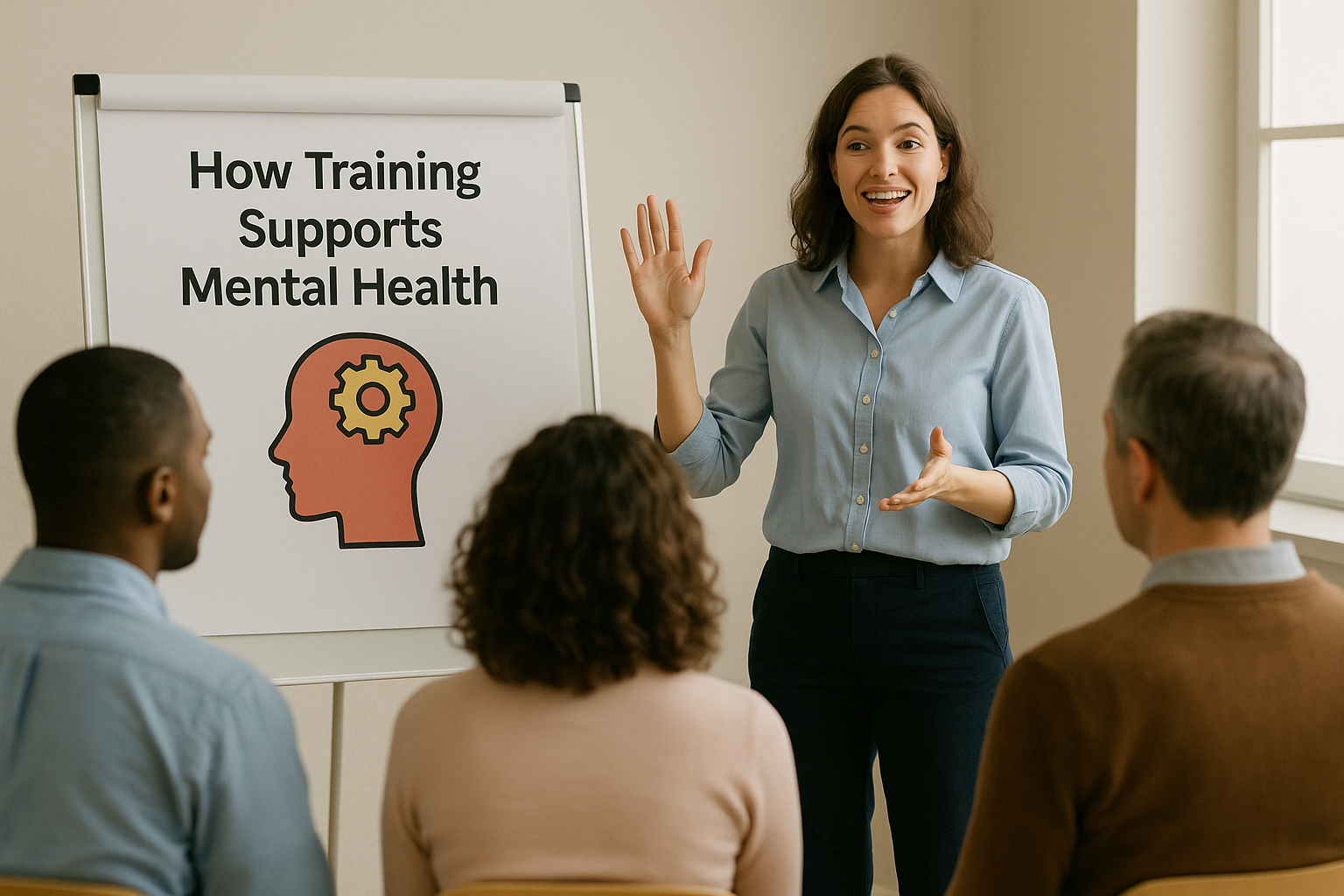
Regular movement is one of the simplest habits for improving mental health. More people now treat sport as therapy. Not as a medical replacement, but as an everyday way to manage stress, build confidence, and sleep better. Below is a clear, safe approach for anyone who wants to begin.
Why sport for well-being is used by more people
Exercise will help in making one feel better and reducing stress and increasing the quality of sleep. Even if it is a brisk walk of ten minutes, these little workouts are useful when done regularly. The nervous system in the long run is made steady by frequent movement and endorphins are released which fight stress.
What about others achieving brilliant results in sport? Everyone has ever seen athletes, bodybuilders, sportsmen, or even champions. Perhaps envisioning impressive physiques as well? Being part of the wider sports community – by following matches and results on melbet apk bd – keeps the spirit of movement and discipline alive beyond personal workouts. Watching others strive and compete often motivates people to maintain their own habits and routines.
Even champions need mental health
Top athletes look powerful, but they also face immense emotional strain. Pressure to win, attention from the public, and fear of becoming injured can wear anyone down. Modern champions talk more and more openly about mental health – demonstrating how therapy, rest, and psychological support are as important as training.
This shift helps fans and amateurs understand: caring for your mind doesn’t make you weaker; it keeps you strong enough to keep competing.
What actually helps
Consistency — in walking, light jogging, swimming, or stretching. Aim for around 150 minutes of moderate exercise per week. Add light strength training twice a week to support posture and joint health. When your body feels stable, your mind follows. Frequent exercise enhances the time of sleep, attention, and moods. Add light strength work twice a week to support joints and posture – your mind benefits when your body feels reliable.
How to start safely and keep going
Start small, build slowly, and focus on comfort. Examples:
- Walk 20 minutes three to five days a week.
- Do short home sessions when busy.
- Include gentle strength work or stretching twice-weekly.
Set reminders or pair sessions with daily habits – after breakfast, after work, or before dinner. Track what truly matters to you: mood steadiness, energy, or quality of rest. If progress stalls, lower the bar, not the goal. Sustainable effort, not perfection, keeps the benefit alive. For motivation beyond your own schedule, https://xn--z5bzfq8hc.com/ shares updates and examples from the world of sports that remind users why steady activity pays off.
When to get guidance
If you have a chronic condition, are on medication, or feel persistently low despite movement, check with a doctor or therapist. Physical activity complements professional care but does not replace it. Many people find combining training with counselling or mindfulness sessions multiplies the effect – movement clears space for emotional work to take root.
Quick answers
How soon will I feel results?
Many people sleep better and feel calmer within two to four weeks of regular activity.
Cardio or strength?
Both. Cardio supports mood and energy; strength work supports stability and posture. Mix them for balance.
Are short sessions worth it?
Yes. Several ten-minute sessions deliver similar benefits to one long workout.
What if I miss a week?
Start again without guilt. Consistency over months matters more than any break.
Finalization
The fact that sport is a combination of motion, habit, and self-care makes it work. Minor, frequent sessions teach the body to cope with stress and the mind to relax. Select achievable objectives, modulate them against your own energy, and employ relied-upon sources. Over time, this habit builds not just fitness but emotional balance too.



Understanding AI Agent Architecture: From Automation to Autonomous Intelligence

How DMCA Ignored Hosting Help Adult Content Sites?

Other Alternatives to the Bigbunny Login Casino
Web UI Design Services, Custom Web App Development, or Local Product Design: Where to Start

Type-C to C vs Type A to Type C Cable: What’s the Difference?

How Executive Search Software Selects and Manages Senior Leadership Candidates

Data Science Course in Pune with Placement Support: From Classroom Training to Your First Job

Ethical Hacking Courses in Mumbai with Placement: Institutes, Duration, Fees & Jobs 2026

Best Micro Influencer Agency Singapore: Why Micro Beats Macro for Conversion

What Makes a Crypto Exchange Top-Rated? Understanding the Ranking Criteria
Web UI Design Services, Custom Web App Development, or Local Product Design: Where to Start
How Executive Search Software Selects and Manages Senior Leadership Candidates
Other Alternatives to the Bigbunny Login Casino
Type-C to C vs Type A to Type C Cable: What’s the Difference?
How DMCA Ignored Hosting Help Adult Content Sites?
Understanding AI Agent Architecture: From Automation to Autonomous Intelligence


 Tech2 years ago
How to Use a Temporary Number for WhatsApp
- Business3 years ago
Sepatuindonesia.com | Best Online Store in Indonesia
- Social Media2 years ago
The Best Methods to Download TikTok Videos Using SnapTik
- Technology2 years ago
Top High Paying Affiliate Programs
- Tech2 years ago
Understanding thejavasea.me Leaks Aio-TLP: A Comprehensive Guide
- FOOD2 years ago
How to Identify Pure Desi Ghee? Ultimate Guidelines for Purchasing Authentic Ghee Online

 Instagram4 years ago
Free Instagram Auto Follower Without Login
- Instagram4 years ago
Free Instagram Follower Without Login